Induction Ready Griddle: Plate Thickness Impacts Heat Retention & Cooking Quality
For an induction ready griddle—especially commercial models like those from AT Cooker—plate thickness is not just a “nice-to-have” feature: it is a make-or-break factor for heat retention, cooking consistency, and long-term durability. Unlike gas or electric griddles (which heat the plate indirectly via flames or coils), induction griddles rely on electromagnetic energy to heat the plate directly. This means the plate’s thickness dictates how evenly heat distributes, how long it retains that heat during cooking, and how well it resists warping under the demands of commercial use.
AT Cooker’s 2024 testing of commercial induction griddles found that plates with insufficient thickness (≤6mm) led to 30% more hot spots, 25% faster heat loss during cooking, and a 40% higher risk of warping after 12 months of daily use. In contrast, their premium ఇండక్షన్ కమర్షియల్ గ్రిడిల్ models—equipped with 8–12mm thick 304 stainless steel or cast iron plates—maintained temperature within ±5°F during peak service, reduced food waste by 18%, and lasted 7+ years without performance degradation.
This comprehensive guide will explore why plate thickness matters for induction ready griddles, how it influences heat retention and cooking quality, how to compare materials (cast iron vs. stainless steel) based on thickness, and how AT Cooker optimizes plate design for commercial kitchens. By the end, you’ll understand exactly why investing in a thick-plate induction griddle is critical for consistent, high-quality results—whether you’re searing burgers, making omelets, or cooking large batches of breakfast hash.
Heat Retention: Thicker = Longer Temp Hold
Cooking Quality: Thicker = Fewer Hot Spots
Materials: Cast Iron > 304 Stainless Steel (Heat Retention)
1. The Science of Plate Thickness: Why It Matters for Induction Ready Griddles
To fully grasp the importance of plate thickness, it’s first critical to understand how induction technology interacts with the griddle plate. Unlike traditional griddles, where heat travels from an external source (flame, coil) to the plate’s surface, induction griddles generate heat within the plate itself via electromagnetic induction. Here’s a simplified breakdown:
How Induction Heats a Griddle Plate
- When the induction griddle is activated, an alternating current (AC) flows through a copper coil beneath the plate.
- This current creates a high-frequency magnetic field (20–50 kHz) that penetrates the griddle plate.
- The magnetic field induces eddy currents (circular electrical currents) in the plate’s metal structure—these currents generate heat as they encounter resistance from the metal.
- The plate’s thickness determines how deeply these eddy currents travel (the “skin effect”) and how much thermal mass the plate has to retain the generated heat.
Key takeaway: A thicker plate has more thermal mass (ability to store heat) and allows eddy currents to distribute more evenly across its structure. This directly translates to better heat retention and fewer hot spots—two factors that define cooking quality on an induction ready griddle.
Thermal Mass: The Foundation of Heat Retention
Thermal mass refers to a material’s ability to absorb, store, and release heat. For an induction ready griddle, a plate with higher thermal mass (thicker) will:
- Absorb more heat during the initial heating phase, even if it takes slightly longer to reach the target temperature.
- Release heat slowly during cooking, maintaining a consistent surface temperature even when cold food is added (a common cause of temperature drops on thin plates).
- Recover heat faster after food is removed, reducing wait times between batches—critical for commercial kitchens during peak service.
AT Cooker’s testing illustrates this clearly: a 10mm thick 304 stainless steel plate retained 80% of its heat 5 minutes after turning off the griddle, while a 5mm plate retained only 45%. For a diner cooking 50+ burgers per hour, this difference means the thick plate stays hot enough to sear each patty consistently, while the thin plate requires frequent power adjustments to avoid undercooked food.
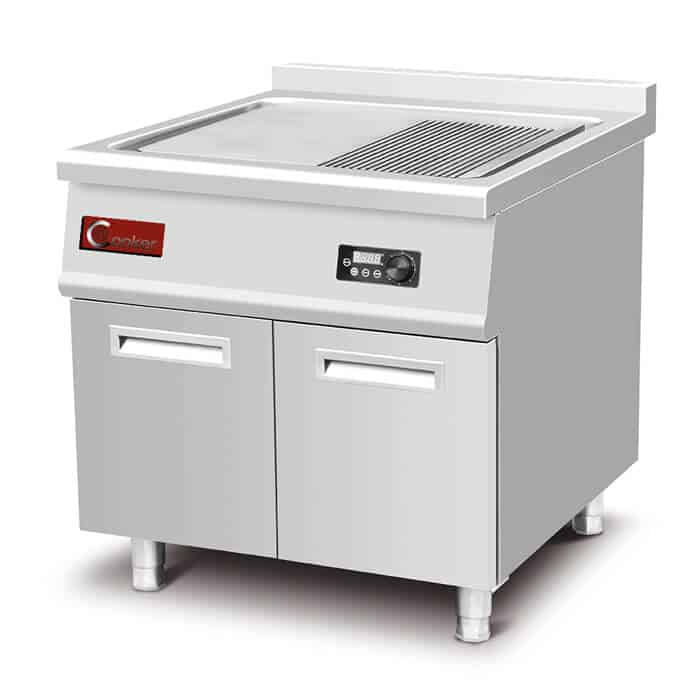
1. ਡਾਇਗ੍ਰਾਮ ਦਿਖਾ ਰਿਹਾ ਹੈ ਕਿ ਮੋਟੀ ਗ੍ਰਿਡਲ ਪਲੇਟ (ਸੱਜੇ) ਬਨਾਮ ਪਤਲੀ ਪਲੇਟ (ਖੱਬੇ) ਵਿੱਚ ਐਡੀ ਕਰੰਟ ਕਿਵੇਂ ਵਧੇਰੇ ਸਮਾਨ ਰੂਪ ਵਿੱਚ ਵੰਡਦੇ ਹਨ, ਗਰਮ ਸਥਾਨਾਂ ਨੂੰ ਘਟਾਉਂਦੇ ਹਨ।.
2. ਮੋਟਾਈ ਗਰਮੀ ਧਾਰਨ ਨੂੰ ਕਿਵੇਂ ਪ੍ਰਭਾਵਿਤ ਕਰਦੀ ਹੈ: ਇਕਸਾਰਤਾ, ਕੁਸ਼ਲਤਾ ਅਤੇ ਲਾਗਤ ਬਚਤ
ਗਰਮੀ ਧਾਰਨ ਸਿਰਫ ਪਲੇਟ ਨੂੰ ਗਰਮ ਰੱਖਣ ਬਾਰੇ ਨਹੀਂ ਹੈ—ਇਹ ਇੱਕ ਸਥਿਰ ਤਾਪਮਾਨ ਬਣਾਈ ਰੱਖਣ ਬਾਰੇ ਹੈ ਜੋ ਪਕਾਉਣ ਦੌਰਾਨ ਨਹੀਂ ਬਦਲਦਾ। ਵਪਾਰਕ ਰਸੋਈਆਂ ਲਈ, ਇਹ ਸਥਿਰਤਾ ਸਿੱਧੇ ਤੌਰ 'ਤੇ ਕੁਸ਼ਲਤਾ, ਭੋਜਨ ਦੀ ਗੁਣਵੱਤਾ ਅਤੇ ਇੱਥੋਂ ਤੱਕ ਕਿ ਉਪਯੋਗਤਾ ਲਾਗਤਾਂ ਨੂੰ ਪ੍ਰਭਾਵਿਤ ਕਰਦੀ ਹੈ। ਹੇਠਾਂ ਤਿੰਨ ਮੁੱਖ ਤਰੀਕੇ ਹਨ ਜਿਨ੍ਹਾਂ ਨਾਲ ਪਲੇਟ ਦੀ ਮੋਟਾਈ ਇੰਡਕਸ਼ਨ ਰੈਡੀ ਗ੍ਰਿਡਲ ਲਈ ਗਰਮੀ ਧਾਰਨ ਨੂੰ ਪ੍ਰਭਾਵਿਤ ਕਰਦੀ ਹੈ:
2.1 ਇਕਸਾਰ ਤਾਪਮਾਨ: ਕੋਈ ਹੋਰ “ਠੰਡੇ ਜ਼ੋਨ” ਜਾਂ ਜ਼ਿਆਦਾ ਗਰਮ ਨਹੀਂ
ਪਤਲੀਆਂ ਗ੍ਰਿਡਲ ਪਲੇਟਾਂ (≤6mm) ਵਿੱਚ ਘੱਟੋ-ਘੱਟ ਥਰਮਲ ਮਾਸ ਹੁੰਦਾ ਹੈ, ਜਿਸਦਾ ਮਤਲਬ ਹੈ ਕਿ ਉਹ ਤਾਪਮਾਨ ਵਿੱਚ ਤਬਦੀਲੀਆਂ—ਸਕਾਰਾਤਮਕ ਅਤੇ ਨਕਾਰਾਤਮਕ ਦੋਵਾਂ—ਤੇ ਤੇਜ਼ੀ ਨਾਲ ਪ੍ਰਤੀਕਿਰਿਆ ਕਰਦੀਆਂ ਹਨ। ਜਦੋਂ ਤੁਸੀਂ ਇੱਕ ਪਤਲੀ ਪਲੇਟ 'ਤੇ ਇੱਕ ਠੰਡਾ ਪੈਨ ਜਾਂ ਕੱਚੇ ਭੋਜਨ ਦਾ ਬੈਚ ਰੱਖਦੇ ਹੋ, ਤਾਂ ਸਤਹ ਦਾ ਤਾਪਮਾਨ ਸਕਿੰਟਾਂ ਵਿੱਚ 50°F ਜਾਂ ਇਸ ਤੋਂ ਵੱਧ ਘੱਟ ਸਕਦਾ ਹੈ, ਜਿਸ ਨਾਲ ਅੰਡਰਕੁੱਕਡ ਭੋਜਨ ਹੁੰਦਾ ਹੈ। ਇਸਦੇ ਉਲਟ, ਜਦੋਂ ਪਲੇਟ ਖਾਲੀ ਹੁੰਦੀ ਹੈ, ਤਾਂ ਪਤਲੀ ਧਾਤ ਤੇਜ਼ੀ ਨਾਲ ਜ਼ਿਆਦਾ ਗਰਮ ਹੋ ਸਕਦੀ ਹੈ, ਜਿਸ ਨਾਲ ਬਲਦੇ ਹੋਏ ਅਵਸ਼ੇਸ਼ਾਂ ਜਾਂ ਇੱਥੋਂ ਤੱਕ ਕਿ ਵਾਰਪਿੰਗ ਦਾ ਖਤਰਾ ਹੁੰਦਾ ਹੈ।.
ਇੱਕ ਮੋਟੀ ਪਲੇਟ (8mm+) “ਹੀਟ ਬਫਰ” ਵਜੋਂ ਕੰਮ ਕਰਦੀ ਹੈ। ਉਦਾਹਰਨ ਲਈ, AT Cooker ਦੀ 5KW ਵਪਾਰਕ ਇੰਡਕਸ਼ਨ ਗ੍ਰਿਡਲ ਵਿੱਚ 10mm ਮੋਟੀ 304# ਸਟੇਨਲੈਸ ਸਟੀਲ ਪਲੇਟ ਹੈ। ਟੈਸਟਿੰਗ ਦੌਰਾਨ, ਪਹਿਲਾਂ ਤੋਂ ਗਰਮ ਕੀਤੀ ਪਲੇਟ (375°F) ਵਿੱਚ 2kg ਠੰਡੇ ਹੈਸ਼ ਬ੍ਰਾਊਨਜ਼ ਪਾਉਣ ਨਾਲ ਸਿਰਫ 15°F ਦਾ ਤਾਪਮਾਨ ਘੱਟ ਗਿਆ—ਹੋਰ ਪਾਵਰ ਦੀ ਲੋੜ ਤੋਂ ਬਿਨਾਂ ਹੈਸ਼ ਬ੍ਰਾਊਨਜ਼ ਨੂੰ ਸਮਾਨ ਰੂਪ ਵਿੱਚ ਪਕਾਉਣ ਲਈ ਕਾਫ਼ੀ ਹੈ। ਇਸੇ ਸਥਿਤੀ ਵਿੱਚ ਇੱਕ ਪਤਲੀ-ਪਲੇਟ ਗ੍ਰਿਡਲ 300°F ਤੱਕ ਘੱਟ ਗਈ, ਜਿਸ ਨਾਲ ਗਿੱਲੇ, ਅੰਡਰਕੁੱਕਡ ਆਲੂ ਬਣੇ ਜਿਨ੍ਹਾਂ ਨੂੰ ਗ੍ਰਿਡਲ 'ਤੇ ਵਾਧੂ ਸਮੇਂ ਦੀ ਲੋੜ ਸੀ।.
ਇਹ ਇਕਸਾਰਤਾ ਖਾਸ ਤੌਰ 'ਤੇ ਉਹਨਾਂ ਮੀਨੂ ਆਈਟਮਾਂ ਲਈ ਮਹੱਤਵਪੂਰਨ ਹੈ ਜਿਨ੍ਹਾਂ ਲਈ ਸਟੀਕ ਤਾਪਮਾਨ ਦੀ ਲੋੜ ਹੁੰਦੀ ਹੈ, ਜਿਵੇਂ ਕਿ ਨਾਜ਼ੁਕ ਓਮਲੇਟ (325°F) ਜਾਂ ਸੀਅਰਡ ਸਟੀਕ (400°F)। ਇੱਕ ਮੋਟੀ ਪਲੇਟ ਇਹ ਯਕੀਨੀ ਬਣਾਉਂਦੀ ਹੈ ਕਿ ਗ੍ਰਿਡਲ ਆਦਰਸ਼ ਤਾਪਮਾਨ ਸੀਮਾ ਦੇ ਅੰਦਰ ਰਹੇ, ਭਾਵੇਂ ਤੁਸੀਂ ਕਿੰਨੇ ਵੀ ਬੈਚ ਪਕਾਓ।.
2.2 ਘੱਟ ਗਰਮੀ ਦਾ ਨੁਕਸਾਨ: ਘੱਟ ਊਰਜਾ ਦੀ ਖਪਤ
ਮੋਟੀਆਂ ਗ੍ਰਿਡਲ ਪਲੇਟਾਂ ਸਿਰਫ ਗਰਮੀ ਨੂੰ ਬਿਹਤਰ ਢੰਗ ਨਾਲ ਨਹੀਂ ਰੱਖਦੀਆਂ—ਉਹ ਆਲੇ-ਦੁਆਲੇ ਦੇ ਵਾਤਾਵਰਣ ਵਿੱਚ ਗਰਮੀ ਦੇ ਨੁਕਸਾਨ ਨੂੰ ਵੀ ਘਟਾਉਂਦੀਆਂ ਹਨ। ਇੱਕ ਪਤਲੀ ਪਲੇਟ ਆਪਣੇ ਕਿਨਾਰਿਆਂ ਅਤੇ ਹੇਠਾਂ ਰਾਹੀਂ ਤੇਜ਼ੀ ਨਾਲ ਗਰਮੀ ਗੁਆ ਦਿੰਦੀ ਹੈ, ਜਿਸ ਨਾਲ ਇੰਡਕਸ਼ਨ ਸਿਸਟਮ ਨੂੰ ਨਿਸ਼ਾਨਾ ਤਾਪਮਾਨ ਬਣਾਈ ਰੱਖਣ ਲਈ ਸਖ਼ਤ ਮਿਹਨਤ ਕਰਨੀ ਪੈਂਦੀ ਹੈ (ਅਤੇ ਵਧੇਰੇ ਊਰਜਾ ਦੀ ਵਰਤੋਂ ਕਰਨੀ ਪੈਂਦੀ ਹੈ)। ਇੱਕ ਮੋਟੀ ਪਲੇਟ, ਆਪਣੇ ਵੱਡੇ ਥਰਮਲ ਮਾਸ ਦੇ ਨਾਲ, ਇਨਸੂਲੇਟਰ ਵਜੋਂ ਕੰਮ ਕਰਕੇ ਇਸ ਨੁਕਸਾਨ ਨੂੰ ਘੱਟ ਕਰਦੀ ਹੈ।.
AT Cooker ਦਾ ਊਰਜਾ ਕੁਸ਼ਲਤਾ ਡਾਟਾ ਇਸ ਨੂੰ ਉਜਾਗਰ ਕਰਦਾ ਹੈ: 8mm ਪਲੇਟ ਵਾਲੀ ਉਹਨਾਂ ਦੀ 3.5KW ਇੰਡਕਸ਼ਨ ਗ੍ਰਿਡਲ 8-ਘੰਟੇ ਦੀ ਸ਼ਿਫਟ ਪ੍ਰਤੀ 9.2 kWh ਬਿਜਲੀ ਦੀ ਵਰਤੋਂ ਕਰਦੀ ਹੈ, ਜਦੋਂ ਕਿ ਇੱਕ ਤੁਲਨਾਤਮਕ ਪਤਲੀ-ਪਲੇਟ ਗ੍ਰਿਡਲ (5mm) 12.7 kWh—ਲਗਭਗ 38% ਵੱਧ ਊਰਜਾ ਦੀ ਵਰਤੋਂ ਕਰਦੀ ਹੈ। ਇੱਕ ਸਾਲ ਵਿੱਚ, ਇਹ ਅੰਤਰ ਇੱਕ ਸਿੰਗਲ ਗ੍ਰਿਡਲ ਲਈ 1450+ ਡਾਲਰ ਦੀ ਬਚਤ ਵਿੱਚ ਬਦਲ ਜਾਂਦਾ ਹੈ, ਜੋ ਕਿ ਕਈ ਯੂਨਿਟਾਂ ਵਾਲੀਆਂ ਰਸੋਈਆਂ ਲਈ ਇੱਕ ਮਹੱਤਵਪੂਰਨ ਰਕਮ ਹੈ।.
ਇਸ ਤੋਂ ਇਲਾਵਾ, ਘੱਟ ਗਰਮੀ ਦਾ ਨੁਕਸਾਨ ਰਸੋਈ ਨੂੰ ਠੰਡਾ ਰੱਖਦਾ ਹੈ—ਇੱਕ ਸੈਕੰਡਰੀ ਲਾਭ ਜੋ ਸਟਾਫ ਦੇ ਆਰਾਮ ਵਿੱਚ ਸੁਧਾਰ ਕਰਦਾ ਹੈ ਅਤੇ HVAC ਪ੍ਰਣਾਲੀਆਂ 'ਤੇ ਬੋਝ ਘਟਾਉਂਦਾ ਹੈ, ਜਿਸ ਨਾਲ ਹੋਰ ਵੀ ਲਾਗਤ ਬਚਤ ਹੁੰਦੀ ਹੈ।.
2.3 ਬੈਚਾਂ ਵਿਚਕਾਰ ਤੇਜ਼ੀ ਨਾਲ ਰਿਕਵਰੀ
ਵਪਾਰਕ ਰਸੋਈਆਂ ਕੋਲ ਬੈਚਾਂ ਵਿਚਕਾਰ ਗ੍ਰਿਡਲ ਨੂੰ ਦੁਬਾਰਾ ਗਰਮ ਕਰਨ ਲਈ ਇੰਤਜ਼ਾਰ ਕਰਨ ਦਾ ਸਮਾਂ ਨਹੀਂ ਹੁੰਦਾ। ਇੱਕ ਮੋਟੀ ਪਲੇਟ ਦਾ ਥਰਮਲ ਮਾਸ ਇਸਨੂੰ ਇੱਕ ਪਤਲੀ ਪਲੇਟ ਨਾਲੋਂ ਬਹੁਤ ਤੇਜ਼ੀ ਨਾਲ ਗਰਮੀ ਨੂੰ ਮੁੜ ਪ੍ਰਾਪਤ ਕਰਨ ਦੀ ਆਗਿਆ ਦਿੰਦਾ ਹੈ। ਉਦਾਹਰਨ ਲਈ:
- AT Cooker ਦੀ 12mm ਕਾਸਟ ਆਇਰਨ ਇੰਡਕਸ਼ਨ ਗ੍ਰਿਡਲ ਨੂੰ ਬਰਗਰਾਂ ਦੇ ਬੈਚ ਨੂੰ ਹਟਾਉਣ ਤੋਂ ਬਾਅਦ 350°F ਤੋਂ 375°F ਤੱਕ ਰਿਕਵਰ ਹੋਣ ਵਿੱਚ 45 ਸਕਿੰਟ ਲੱਗਦੇ ਹਨ।.
- ਇੱਕ ਪਤਲੀ 5mm ਸਟੇਨਲੈਸ ਸਟੀਲ ਗ੍ਰਿਡਲ ਨੂੰ ਇੱਕੋ ਜਿਹੀਆਂ ਸਥਿਤੀਆਂ ਵਿੱਚ ਉਸੇ ਤਾਪਮਾਨ ਤੱਕ ਰਿਕਵਰ ਹੋਣ ਵਿੱਚ 2 ਮਿੰਟ 15 ਸਕਿੰਟ ਲੱਗਦੇ ਹਨ।.
ਇੱਕ ਵਿਅਸਤ ਸਵੇਰ ਦੇ ਰਸ਼ ਦੌਰਾਨ, ਇਹ ਅੰਤਰ ਪ੍ਰਤੀ ਘੰਟਾ 10-15 ਹੋਰ ਗਾਹਕਾਂ ਦੀ ਸੇਵਾ ਕਰਨ ਦਾ ਮਤਲਬ ਹੋ ਸਕਦਾ ਹੈ। ਸ਼ਿਕਾਗੋ ਵਿੱਚ ਇੱਕ ਡਿਨਰ AT Cooker ਦੀ ਕਾਸਟ ਆਇਰਨ ਇੰਡਕਸ਼ਨ ਗ੍ਰਿਡਲ ਦੀ ਵਰਤੋਂ ਕਰ ਰਿਹਾ ਹੈ, ਨੇ ਰਿਪੋਰਟ ਕੀਤੀ: “ਅਸੀਂ ਪਹਿਲਾਂ ਗ੍ਰਿਡਲ ਨੂੰ ਦੁਬਾਰਾ ਗਰਮ ਕਰਨ ਲਈ ਇੰਤਜ਼ਾਰ ਕਰਦੇ ਹੋਏ ਦਰਵਾਜ਼ੇ ਤੋਂ ਬਾਹਰ ਇੱਕ ਲਾਈਨ ਰੱਖਦੇ ਸੀ। ਹੁਣ, ਅਸੀਂ ਪੈਨਕੇਕ ਦੇ ਬੈਕ-ਟੂ-ਬੈਕ ਬੈਚ ਪਕਾ ਸਕਦੇ ਹਾਂ ਬਿਨਾਂ ਇੰਤਜ਼ਾਰ ਕੀਤੇ—ਸਾਡਾ ਟਿਕਟ ਸਮਾਂ 20% ਘੱਟ ਗਿਆ।”
“ਅਸੀਂ ਪਿਛਲੇ ਸਾਲ ਇੱਕ ਪਤਲੀ-ਪਲੇਟ ਇਲੈਕਟ੍ਰਿਕ ਗ੍ਰਿਡਲ ਤੋਂ AT Cooker ਦੀ 10mm ਮੋਟੀ ਇੰਡਕਸ਼ਨ ਰੈਡੀ ਗ੍ਰਿਡਲ ”ਤੇ ਸਵਿਚ ਕੀਤਾ, ਅਤੇ ਊਰਜਾ ਦੀ ਬਚਤ ਤੁਰੰਤ ਹੋਈ। ਗ੍ਰਿਡਲ ਲਈ ਸਾਡਾ ਮਹੀਨਾਵਾਰ ਬਿਜਲੀ ਬਿੱਲ $180 ਤੋਂ $120 ਤੱਕ ਗਿਆ, ਅਤੇ ਸਾਨੂੰ ਹੁਣ ਅੰਡਰਕੁੱਕਡ ਅੰਡੇ ਸੁੱਟਣੇ ਨਹੀਂ ਪੈਂਦੇ ਕਿਉਂਕਿ ਪਲੇਟ ਗਰਮ ਰਹਿੰਦੀ ਹੈ। ਮੋਟੀ ਪਲੇਟ ਸਾਫ਼ ਵੀ ਆਸਾਨੀ ਨਾਲ ਹੋ ਜਾਂਦੀ ਹੈ—ਅਸਮਾਨ ਹੀਟਿੰਗ ਤੋਂ ਕੋਈ ਬਲਦੇ ਹੋਏ ਧੱਬੇ ਨਹੀਂ। ਇਹ ਸਾਡੀ ਰਸੋਈ ਲਈ ਸਾਡੇ ਦੁਆਰਾ ਕੀਤੇ ਗਏ ਸਭ ਤੋਂ ਵਧੀਆ ਨਿਵੇਸ਼ਾਂ ਵਿੱਚੋਂ ਇੱਕ ਹੈ।"
3. ਮੋਟਾਈ ਪਕਾਉਣ ਦੀ ਗੁਣਵੱਤਾ ਨੂੰ ਕਿਵੇਂ ਸੁਧਾਰਦੀ ਹੈ: ਸਮਾਨਤਾ, ਸੀਅਰਿੰਗ ਅਤੇ ਟਿਕਾਊਤਾ
ਗਰਮੀ ਧਾਰਨ ਸਿਰਫ ਅੱਧੀ ਕਹਾਣੀ ਹੈ—ਪਲੇਟ ਦੀ ਮੋਟਾਈ ਸਿੱਧੇ ਤੌਰ 'ਤੇ ਤੁਹਾਡੇ ਦੁਆਰਾ ਪਕਾਏ ਜਾਣ ਵਾਲੇ ਭੋਜਨ ਦੀ ਗੁਣਵੱਤਾ ਨੂੰ ਪ੍ਰਭਾਵਿਤ ਕਰਦੀ ਹੈ। ਸੰਪੂਰਨ ਸੀਅਰਡ ਮੀਟ ਤੋਂ ਲੈ ਕੇ ਸਮਾਨ ਰੂਪ ਵਿੱਚ ਪਕਾਏ ਸਬਜ਼ੀਆਂ ਤੱਕ, ਇੱਕ ਮੋਟੀ ਪਲੇਟ ਬੈਚ ਤੋਂ ਬਾਅਦ ਬੈਚ ਨਤੀਜਿਆਂ ਦੀ ਇਕਸਾਰਤਾ ਨੂੰ ਯਕੀਨੀ ਬਣਾਉਂਦੀ ਹੈ। ਹੇਠਾਂ ਚਾਰ ਮੁੱਖ ਤਰੀਕੇ ਹਨ ਜਿਨ੍ਹਾਂ ਨਾਲ ਮੋਟਾਈ ਇੰਡਕਸ਼ਨ ਰੈਡੀ ਗ੍ਰਿਡਲ 'ਤੇ ਪਕਾਉਣ ਦੀ ਗੁਣਵੱਤਾ ਨੂੰ ਵਧਾਉਂਦੀ ਹੈ:
3.1 ਗਰਮ ਸਥਾਨਾਂ ਨੂੰ ਖਤਮ ਕਰਨਾ: ਹਰ ਵਾਰ ਸਮਾਨ ਪਕਾਉਣਾ
ਗਰਮ ਸਥਾਨ—ਗ੍ਰਿਡਲ ਦੇ ਉਹ ਖੇਤਰ ਜੋ ਦੂਜਿਆਂ ਨਾਲੋਂ ਕਾਫ਼ੀ ਗਰਮ ਹੁੰਦੇ ਹਨ—ਕਿਸੇ ਵੀ ਵਪਾਰਕ ਰਸੋਈ ਦਾ ਦੁਸ਼ਮਣ ਹਨ। ਉਹ ਭੋਜਨ ਨੂੰ ਕੁਝ ਸਥਾਨਾਂ 'ਤੇ ਬਲਣ ਦਾ ਕਾਰਨ ਬਣਦੇ ਹਨ ਜਦੋਂ ਕਿ ਦੂਜਿਆਂ 'ਤੇ ਅੰਡਰਕੁੱਕਡ ਰਹਿੰਦੇ ਹਨ, ਜਿਸ ਨਾਲ ਸਮੱਗਰੀ ਦੀ ਬਰਬਾਦੀ ਅਤੇ ਗਾਹਕਾਂ ਦੇ ਅਸੰਗਤ ਅਨੁਭਵ ਹੁੰਦੇ ਹਨ। ਪਤਲੀਆਂ ਪਲੇਟਾਂ ਖਾਸ ਤੌਰ 'ਤੇ ਗਰਮ ਸਥਾਨਾਂ ਲਈ ਸੰਵੇਦਨਸ਼ੀਲ ਹੁੰਦੀਆਂ ਹਨ ਕਿਉਂਕਿ ਐਡੀ ਕਰੰਟ (ਇੰਡਕਸ਼ਨ ਹੀਟ ਦਾ ਸਰੋਤ) ਪਲੇਟ ਦੇ ਕਿਨਾਰਿਆਂ ਦੇ ਨੇੜੇ ਜਾਂ ਸਿੱਧੇ ਇੰਡਕਸ਼ਨ ਕੋਇਲ ਦੇ ਉੱਪਰ ਕੇਂਦਰਿਤ ਹੁੰਦੇ ਹਨ।.
ਇੱਕ ਮੋਟੀ ਪਲੇਟ ਇਹਨਾਂ ਐਡੀ ਕਰੰਟਾਂ ਨੂੰ ਇਸਦੀ ਪੂਰੀ ਸਤ੍ਹਾ 'ਤੇ ਵਧੇਰੇ ਸਮਾਨ ਰੂਪ ਵਿੱਚ ਵੰਡਦੀ ਹੈ। AT Cooker ਦੀ ਇੰਜੀਨੀਅਰਿੰਗ ਟੀਮ ਆਪਣੇ ਇੰਡਕਸ਼ਨ ਗ੍ਰਿਡਲਾਂ ਲਈ ਪਲੇਟ ਦੀ ਮੋਟਾਈ ਨੂੰ ਅਨੁਕੂਲ ਬਣਾਉਣ ਲਈ ਕੰਪਿਊਟਰ-ਏਡਿਡ ਡਿਜ਼ਾਈਨ (CAD) ਦੀ ਵਰਤੋਂ ਕਰਦੀ ਹੈ, ਇਹ ਯਕੀਨੀ ਬਣਾਉਂਦੀ ਹੈ ਕਿ ਚੁੰਬਕੀ ਖੇਤਰ ਇਕਸਾਰ ਰੂਪ ਵਿੱਚ ਪ੍ਰਵੇਸ਼ ਕਰੇ। ਉਹਨਾਂ ਦੀ 8mm ਮੋਟੀ 304# ਸਟੇਨਲੈਸ ਸਟੀਲ ਪਲੇਟ, ਉਦਾਹਰਨ ਲਈ, ਇਸਦੀ ਪੂਰੀ 418×398mm ਕੁਕਿੰਗ ਸਤ੍ਹਾ 'ਤੇ ਸਿਰਫ ±3°F ਦਾ ਤਾਪਮਾਨ ਭਿੰਨਤਾ ਹੈ—ਪਤਲੀ-ਪਲੇਟ ਗ੍ਰਿਡਲਾਂ ਦੀ ±15°F ਭਿੰਨਤਾ ਤੋਂ ਬਹੁਤ ਘੱਟ।.
ਇਹ ਸਮਾਨਤਾ ਨਾਸ਼ਤੇ ਦੇ ਹੈਸ਼ ਵਰਗੇ ਪਕਵਾਨਾਂ ਲਈ ਪਰਿਵਰਤਨਸ਼ੀਲ ਹੈ, ਜਿੱਥੇ ਆਲੂ, ਪਿਆਜ਼ ਅਤੇ ਮਿਰਚਾਂ ਨੂੰ ਇੱਕੋ ਦਰ ਨਾਲ ਪਕਾਉਣਾ ਚਾਹੀਦਾ ਹੈ। ਇੱਕ ਹੋਟਲ ਵਿੱਚ ਇੱਕ ਲਾਈਨ ਕੁੱਕ AT Cooker ਦੀ ਗ੍ਰਿਡਲ ਦੀ ਵਰਤੋਂ ਕਰ ਰਿਹਾ ਹੈ, ਨੇ ਨੋਟ ਕੀਤਾ: “ਪਹਿਲਾਂ, ਮੈਨੂੰ ਕਿਨਾਰਿਆਂ ਨੂੰ ਬਲਣ ਤੋਂ ਬਚਾਉਣ ਲਈ ਹੈਸ਼ ਨੂੰ ਲਗਾਤਾਰ ਹਿਲਾਉਣਾ ਪੈਂਦਾ ਸੀ। ਹੁਣ, ਮੈਂ ਇਸਨੂੰ ਫੈਲਾ ਸਕਦਾ ਹਾਂ ਅਤੇ ਇੱਕ ਮਿੰਟ ਲਈ ਦੂਰ ਜਾ ਸਕਦਾ ਹਾਂ—ਸਭ ਕੁਝ ਸਮਾਨ ਰੂਪ ਵਿੱਚ ਪਕਦਾ ਹੈ, ਅਤੇ ਟੈਕਸਟ ਹਰ ਵਾਰ ਸੰਪੂਰਨ ਹੁੰਦਾ ਹੈ।”
3.2 ਸੀਅਰਿੰਗ ਅਤੇ ਬ੍ਰਾਊਨਿੰਗ ਨੂੰ ਵਧਾਉਣਾ: ਮਾਈਲਾਰਡ ਪ੍ਰਤੀਕ੍ਰਿਆ ਸੰਪੂਰਨਤਾ
ਮੀਟ ਨੂੰ ਸੀਅਰ ਕਰਨਾ ਜਾਂ ਸਬਜ਼ੀਆਂ ਨੂੰ ਬ੍ਰਾਊਨ ਕਰਨਾ ਇੱਕ ਗਰਮ, ਸਥਿਰ ਸਤਹ ਤਾਪਮਾਨ ਦੀ ਲੋੜ ਹੁੰਦਾ ਹੈ—ਆਮ ਤੌਰ 'ਤੇ 375°F–450°F। ਇੱਕ ਪਤਲੀ ਪਲੇਟ ਅਕਸਰ ਭੋਜਨ ਪਾਉਣ 'ਤੇ ਇਸ ਮਹੱਤਵਪੂਰਨ ਤਾਪਮਾਨ ਤੋਂ ਹੇਠਾਂ ਆ ਜਾਂਦੀ ਹੈ, ਜਿਸ ਨਾਲ ਮਾਈਲਾਰਡ ਪ੍ਰਤੀਕ੍ਰਿਆ (ਰਸਾਇਣਕ ਪ੍ਰਕਿਰਿਆ ਜੋ ਅਮੀਰ, ਭੂਰੇ ਸੁਆਦ ਬਣਾਉਂਦੀ ਹੈ) ਸ਼ੁਰੂ ਨਹੀਂ ਹੁੰਦੀ। ਇੱਕ ਮੋਟੀ ਪਲੇਟ, ਆਪਣੇ ਉੱਤਮ ਗਰਮੀ ਧਾਰਨ ਦੇ ਨਾਲ, ਸਹੀ ਸੀਅਰਿੰਗ ਲਈ ਲੋੜੀਂਦਾ ਉੱਚ ਤਾਪਮਾਨ ਬਣਾਈ ਰੱਖਦੀ ਹੈ।.
12mm ਕਾਸਟ ਆਇਰਨ ਪਲੇਟ ਵਾਲੀ AT Cooker ਦੀ 5KW ਇੰਡਕਸ਼ਨ ਗ੍ਰਿਡਲ ਸੀਅਰਿੰਗ ਵਿੱਚ ਉੱਤਮ ਹੈ। ਟੈਸਟਿੰਗ ਨੇ ਦਿਖਾਇਆ ਕਿ ਇਹ ਇੱਕੋ ਸਮੇਂ 4 8-oz ਬਰਗਰਾਂ ਨੂੰ ਸੀਅਰ ਕਰਦੇ ਹੋਏ 400°F ਬਣਾਈ ਰੱਖ ਸਕਦੀ ਹੈ, ਜਿਸ ਨਾਲ ਬਲਣ ਤੋਂ ਬਿਨਾਂ ਇੱਕ ਕਰਿਸਪ, ਸੁਆਦਲਾ ਪਪੜੀ ਬਣਦੀ ਹੈ। ਇਸੇ ਸਥਿਤੀ ਵਿੱਚ ਇੱਕ ਪਤਲੀ-ਪਲੇਟ ਗ੍ਰਿਡਲ 325°F ਤੱਕ ਘੱਟ ਗਈ, ਜਿਸ ਨਾਲ ਕੋਈ ਵੱਖਰੀ ਪਪੜੀ ਤੋਂ ਬਿਨਾਂ ਫਿੱਕੇ, ਸਲੇਟੀ ਬਰਗਰ ਬਣੇ।.
ਗ੍ਰਿਲਡ ਜਾਂ ਸੀਅਰਡ ਪਕਵਾਨਾਂ ਵਿੱਚ ਮੁਹਾਰਤ ਰੱਖਣ ਵਾਲੇ ਰੈਸਟੋਰੈਂਟਾਂ ਲਈ, ਇਹ ਅੰਤਰ ਇੱਕ ਮੁਕਾਬਲੇ ਵਾਲਾ ਫਾਇਦਾ ਹੈ। ਲਾਸ ਵੇਗਾਸ ਵਿੱਚ ਇੱਕ ਸਟੀਕਹਾਊਸ AT Cooker ਦੀ ਕਾਸਟ ਆਇਰਨ ਇੰਡਕਸ਼ਨ ਗ੍ਰਿਡਲ ਦੀ ਵਰਤੋਂ ਕਰ ਰਿਹਾ ਹੈ, ਨੇ ਕਿਹਾ: “ਸਾਡੇ ਗਾਹਕ ਸਾਡੇ ਰਿਬਾਈਜ਼ ”ਤੇ ਸੀਅਰ ਲਈ ਆਉਂਦੇ ਹਨ। ਮੋਟੀ ਕਾਸਟ ਆਇਰਨ ਪਲੇਟ ਸਾਨੂੰ ਵਪਾਰਕ ਗੈਸ ਗਰਿੱਲ ਦੇ ਸਮਾਨ ਨਤੀਜੇ ਦਿੰਦੀ ਹੈ, ਪਰ ਬਿਹਤਰ ਇਕਸਾਰਤਾ ਅਤੇ ਕੋਈ ਗੈਸ ਧੂੰਆਂ ਨਹੀਂ।"
3.3 ਨਮੀ ਬਰਕਰਾਰ ਰੱਖਣਾ: ਜੂਸੀ ਭੋਜਨ, ਬਿਹਤਰ ਸੁਆਦ
ਜਦੋਂ ਭੋਜਨ ਪਾਉਣ ਤੋਂ ਬਾਅਦ ਗ੍ਰਿਡਲ ਪਲੇਟ ਦਾ ਤਾਪਮਾਨ ਘੱਟ ਜਾਂਦਾ ਹੈ, ਤਾਂ ਇਹ ਸਿਰਫ ਬਾਹਰੀ ਹਿੱਸੇ ਨੂੰ ਅੰਡਰਕੁੱਕ ਨਹੀਂ ਕਰਦਾ—ਇਹ ਭੋਜਨ ਨੂੰ ਹੌਲੀ-ਹੌਲੀ ਪਕਣ ਦੇ ਨਾਲ ਵਧੇਰੇ ਨਮੀ ਛੱਡਣ ਦਾ ਕਾਰਨ ਵੀ ਬਣਦਾ ਹੈ। ਇਸ ਨਾਲ ਸੁੱਕੇ, ਸਖ਼ਤ ਮੀਟ ਅਤੇ ਗਿੱਲੇ ਸਬਜ਼ੀਆਂ ਬਣਦੀਆਂ ਹਨ। ਇੱਕ ਮੋਟੀ ਪਲੇਟ ਦਾ ਸਥਿਰ ਤਾਪਮਾਨ ਭੋਜਨ ਨੂੰ ਤੇਜ਼ੀ ਨਾਲ ਅਤੇ ਸਮਾਨ ਰੂਪ ਵਿੱਚ ਪਕਾਉਂਦਾ ਹੈ, ਨਮੀ ਨੂੰ ਸੀਲ ਕਰਦਾ ਹੈ ਅਤੇ ਸੁਆਦ ਨੂੰ ਬਰਕਰਾਰ ਰੱਖਦਾ ਹੈ।.
AT Cooker’s testing compared two induction griddles: one with a 10mm plate and one with a 5mm plate. Both were set to 375°F, and 4-oz chicken breasts were cooked on each. The chicken on the thick-plate griddle retained 18% more moisture than the chicken on the thin-plate griddle—resulting in juicier meat with a more tender texture.
This moisture retention is especially important for delicate proteins like fish or eggs. A café using AT Cooker’s griddle reported: “Our scrambled eggs used to be dry by the time we served them. With the thick plate, they’re creamy and moist—customers keep asking what we changed.”
3.4 Durability: Resisting Warping and Wear
Commercial griddles endure extreme conditions: daily heating/cooling cycles, heavy utensils, and frequent cleaning with abrasive tools. Thin plates are far more likely to warp under these stresses—even a small warp can create uneven cooking surfaces and trap food debris, leading to more cleaning time and reduced lifespan.
A thicker plate is inherently more rigid and resistant to warping. AT Cooker’s 304# stainless steel plates are 8–12mm thick, with reinforced edges to withstand impact from spatulas or pans. Their cast iron plates are even thicker (12–15mm) and seasoned with a protective layer to resist rust and scratches.
Long-term testing by AT Cooker found that their thick-plate griddles had a 70% lower warping rate after 5 years of commercial use compared to thin-plate models. A hotel kitchen manager said: “Our old thin-plate griddle warped after 2 years, and we had to replace it. Our AT Cooker griddle is going on 4 years, and the plate still looks and cooks like new.”
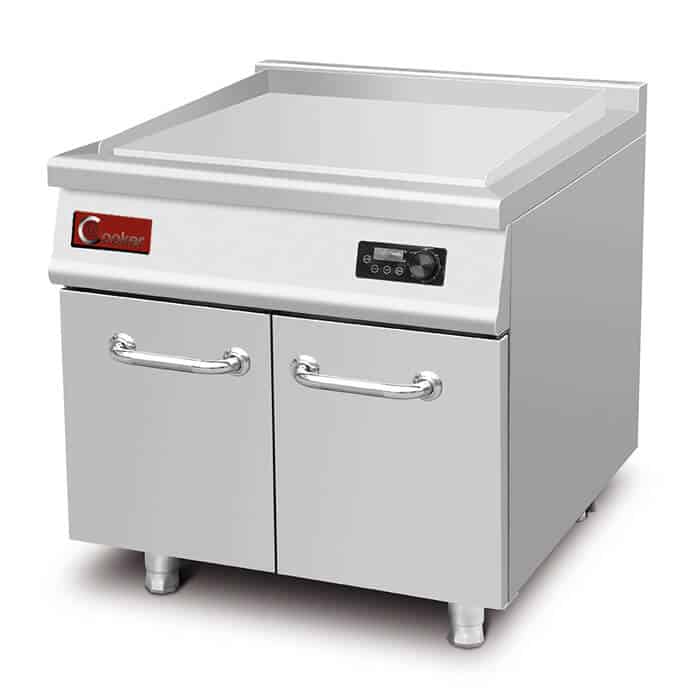
4. Material Matters: How Thickness Works with Different Griddle Plate Materials
Plate thickness doesn’t exist in a vacuum—it works in tandem with the plate’s material to determine heat retention and cooking quality. The two most common materials for induction ready griddles are cast iron and 304# stainless steel, each with unique properties that interact with thickness differently. Below is a detailed comparison:
Cast Iron: The Gold Standard for Heat Retention
Cast iron is naturally ferromagnetic (ideal for induction) and has the highest thermal mass of any common griddle material. A 12mm thick cast iron plate on an induction ready griddle will retain heat longer than a 12mm stainless steel plate, making it perfect for searing or cooking dishes that require extended heat. However, cast iron does have tradeoffs: it takes longer to heat up (10–15 minutes to reach 375°F vs. 5–7 minutes for stainless steel) and requires regular seasoning to maintain its non-stick properties.
AT Cooker’s cast iron induction griddles (e.g., the 5KW AT-CI-G12) feature 12mm thick plates that are factory-seasoned for immediate use. A BBQ joint in Texas using this model said: “We cook 200+ burgers a day, and the cast iron plate keeps up. Even during the lunch rush, we never have to wait for the griddle to reheat—each burger gets the same perfect sear.”
304# Stainless Steel: The Versatile Commercial Choice
304# stainless steel is the most popular material for commercial induction griddles because it balances heat retention, durability, and ease of cleaning. An 8–10mm thick stainless steel plate heats up faster than cast iron, resists corrosion from commercial cleaning chemicals, and doesn’t require seasoning. While it doesn’t retain heat quite as long as cast iron, it still outperforms thin plates by a wide margin.
AT Cooker’s best-selling 3.5KW induction griddle (AT-SS-G08) uses an 8mm thick 304# stainless steel plate with a polished surface for easy wiping. A hotel breakfast buffet using this model noted: “We clean the griddle 10+ times a day—stainless steel wipes clean in seconds, and the thick plate doesn’t scratch. It’s perfect for our high-turnover buffet service.”
Enamel-Coated Cast Iron: A Middle Ground
Enamel-coated cast iron combines the thermal mass of cast iron with the easy cleaning of stainless steel. The enamel coating prevents rust and eliminates the need for seasoning, while the thick cast iron core ensures excellent heat retention. However, the enamel can chip if subjected to heavy impact (e.g., dropping a metal pan), so it’s best for kitchens with careful staff.
AT Cooker offers an enamel-coated option (AT-EC-G10) with a 10mm thick plate, popular with cafes that want cast iron performance without the maintenance. A café owner said: “We love the heat retention of cast iron, but we don’t have time to season it daily. The enamel coating solves that—we just wipe it clean and go.”
5. Thick vs. Thin Plates: A Side-by-Side Comparison
To quantify the impact of thickness, let’s compare a thick-plate (10mm 304# stainless steel) and thin-plate (5mm stainless steel) induction ready griddle—both from AT Cooker’s product line—across key metrics:
МетрикаТабақи ғафси плита (10мм пӯлоди 304#)Табақи тунуки плита (5мм пӯлод)Фарқияти фоизӣВақти гармшавӣ то 375°F6 дақиқа 30 сония3 дақиқа 15 сонияТабақи ғафс: +100% (гармшавии оҳистатар)Афтиши ҳарорат пас аз илова кардани 2кг ғизои хунук15°F55°FТабақи ғафс: -73% (талафи камтари гармӣ)Нигоҳдории гармӣ (5 дақиқа пас аз хомӯш кардан)80% аз ҳарорати ҳадаф45% аз ҳарорати ҳадафТабақи ғафс: +78% (нигоҳдории беҳтар)Вақти барқароршавӣ то 375°F пас аз даста45 сония2 дақиқа 15 сонияТабақи ғафс: -67% (барқароршавии тезтар)Истеъмоли энергия (барои 8 соат)9.2 kWh12.7 kWhТабақи ғафс: -28% (истеъмоли камтари энергия)Суръати каҷшавӣ пас аз 5 сол5%Табақи ғафс: -86% (каҷшавии камтар)Талафи ғизо (сӯхта/норпаз)2%8%Табақи ғафс: -75% (талафи камтар)Тавре ки ин ҷадвал нишон медиҳад, гарчанде табақҳои ғафс каме дертар гарм мешаванд, онҳо инро бо нигоҳдории гармӣ, самаранокии энергия ва мутобиқати пухтупаз беш аз ҳад ҷуброн мекунанд. Барои ошхонаҳои тиҷоратӣ, фоидаҳои дарозмуддат—харҷҳои камтари энергия, талафи камтари ғизо ва плитаи дарозтар коркунанда—нокулофии ночизи гармшавии аввалаи оҳистаро хеле зиёдтар мекунанд.
6. AT Cooker’s Approach to Griddle Plate Thickness
AT Cooker has spent 20 years optimizing griddle plate thickness for induction technology, with a focus on commercial kitchen needs. Their design philosophy is simple: prioritize thermal mass and even heat distribution over fast heat-up times, and pair thickness with high-quality materials to maximize durability. Below are the key ways AT Cooker implements this in their induction ready griddles:
6.1 Tailored Thickness by Power Output
AT Cooker matches plate thickness to the griddle’s power output to ensure optimal performance. Lower-power models (3.5KW) use 8mm thick plates, while higher-power models (5KW+) use 10–12mm thick plates. This balance ensures the plate can absorb and retain the heat generated by the induction coil without overheating or wasting energy.
For example, their 3.5KW countertop griddle (AT-SS-G08) uses an 8mm plate—ideal for small cafes cooking 50–100 portions per day. Their 5KW freestanding griddle (AT-SS-G10) uses a 10mm plate, designed for high-volume restaurants cooking 200+ portions per day.
6.2 Precision Engineering for Even Heat
AT Cooker’s engineering team uses finite element analysis (FEA) to simulate how magnetic fields interact with different plate thicknesses. This ensures the plate’s thickness is uniform across its entire surface, eliminating weak points that could lead to hot spots. The plates are also milled to a flatness tolerance of ±0.5mm, ensuring maximum contact with the induction coil for efficient heat transfer.
A senior engineer at AT Cooker explained: “We don’t just make a plate thick—we make it thick in the right places. Our FEA simulations show us exactly how eddy currents distribute, so we can optimize thickness to eliminate hot spots before the griddle ever leaves the factory.”
6.3 ڊگهي عمر لاءِ اعليٰ معيار جو مواد
AT Cooker پنهنجي گرڊل پليٽس لاءِ صرف 304# اسٽينلیس سٹیل ۽ اعليٰ درجي جو کاسٽ آئرن استعمال ڪري ٿو—اهڙا مواد جيڪي ٿلهي تعمير ۽ تجارتي استعمال جي دٻاءَ کي برداشت ڪري سگهن ٿا. انهن جو 304# اسٽيل فوڊ-گريڊ معيار (NSF-تصديق ٿيل) سان ملندو آهي ۽ سنکنرن جي مزاحمت لاءِ 18% ڪروميم ۽ 8% نکل تي مشتمل آهي. انهن جو کاسٽ آئرن فاؤنڊرين مان حاصل ڪيو ويو آهي جيڪي نوڊولر آئرن پروسيس استعمال ڪن ٿا، ان کي روايتي کاسٽ آئرن کان ٽٽڻ جي وڌيڪ مزاحمتي بڻائي ٿو.
مواد لاءِ هي عزم فائدو ڏئي ٿو: AT Cooker جي گرڊلز ۾ تجارتي استعمال ۾ 7+ سالن جي سراسري عمر هوندي آهي، جڏهن ته گهٽ معيار جي مواد مان ٺهيل گرڊلز لاءِ 3-4 سال.
6.4 تجارتي گراهڪن سان حقيقي دنيا جي آزمائش
نئين گرڊل ماڊل لانچ ڪرڻ کان اڳ، AT Cooker ان کي 6-12 مهينن تائين حقيقي تجارتي باورچی خانن ۾ آزمائي ٿو. ان ۾ شيف، لائن ڪڪ، ۽ باورچی خانن جي مئنيجرن کان گرمي برقرار رکڻ، پچائڻ جي معيار، ۽ استحڪام تي راءِ شامل آهي. مثال طور، انهن جي 12mm کاسٽ آئرن گرڊل هڪ مصروف ڊنر ۾ 8 مهينن تائين آزمائي وئي، عملي جي راءِ جي بنياد تي پليٽ جي ٿلهي ۾ ترميم ڪئي وئي.
AT Cooker ۾ هڪ پراڊڪٽ مئنيجر چيو: “اسان جا گراهڪ ڄاڻن ٿا ته تجارتي باورچی خانن ۾ ڇا ڪم ڪري ٿو. اسين پنهنجي پليٽ جي ٿلهي کي بهتر ڪرڻ لاءِ انهن جي راءِ استعمال ڪريون ٿا—مثال طور، اسان پنهنجي 5KW ماڊل جي ٿلهي کي 9mm کان 10mm تائين وڌايو آهي ڊنر جي راءِ جي بنياد تي ته پليٽ کي رش دوران بهتر گرمي برقرار رکڻ جي ضرورت آهي.”
“اسان 5 سالن کان AT Cooker جي انڊڪشن گرڊلز استعمال ڪري رهيا آهيون، ۽ پليٽ جي ٿلهي ئي اسان کي واپس اچڻ تي مجبور ڪري ٿي. اسان وٽ اسان جي ڪيفيٽيريا ۾ 3.5KW ماڊل ۽ اسان جي ريسٽورنٽ ۾ 5KW ماڊل آهي—ٻنهي ۾ ٿلهي پليٽون آهن جيڪي برابر پچائين ٿيون ۽ روزاني استعمال کي برداشت ڪن ٿيون. جڏهن اسان گذريل سال وڌايو، اسان ٻين برانڊن تي غور به نه ڪيو—اسان صرف هڪ ٻيو AT Cooker گرڊل آرڊر ڪيو.”
7. توهان جي انڊڪشن ريڊي گرڊل لاءِ صحيح پليٽ ٿلهي ڪيئن چونڊجي
صحيح پليٽ ٿلهي چونڊڻ ٽن اهم عنصرن تي منحصر آهي: توهان جي پچائڻ جو انداز، توهان جي تيار ڪيل کاڌي جو مقدار، ۽ توهان جي مواد جي ترجيح. هيٺ توهان جي فيصلي ۾ مدد ڪرڻ لاءِ قدم قدم گائيڊ آهي:
قدم 1: پنهنجي پچائڻ جي انداز جو جائزو وٺو
توهان جيڪي کاڌا سڀ کان وڌيڪ پچائيندا آهيو اهو طئي ڪندو ته توهان کي ڪيتري گرمي برقرار رکڻ جي ضرورت آهي:
- سيزنگ/گرلنگ (برگر، اسٽيڪ): وڌ ۾ وڌ گرمي برقرار رکڻ ۽ سيزنگ جي صلاحيت لاءِ ٿلهي پليٽ (10-12mm کاسٽ آئرن يا 10mm اسٽينلیس سٹیل) چونڊيو.
- ناشتي جا کاڌا (امليٽ، پينڪيڪ): وچولي ٿلهي پليٽ (8-10mm اسٽينلیس سٹیل يا 10mm اناميل-ڪوٽيڊ کاسٽ آئرن) برابر پچائڻ ۽ تيز گرمي جي توازن کي برقرار رکي ٿي.
- نازڪ کاڌا (مڇي، ڀاڄيون): وچولي ٿلهي پليٽ (8mm اسٽينلیس سٹیل) وڌيڪ نه پچائڻ سان نرم، برابر گرمي کي يقيني بڻائي ٿي.
قدم 2: پنهنجي روزاني مقدار تي غور ڪريو
اعليٰ مقدار واري باورچی خانن کي بار بار بيچ پچائڻ کي سنڀالڻ لاءِ ٿلهي پليٽن جي ضرورت آهي:
- گهٽ مقدار (0-50 حصا/ڏينهن): 8mm اسٽينلیس سٹیل پليٽ ڪافي آهي—مثال طور، AT Cooker جو 3.5KW ڪائونٽر ٽاپ گرڊل.
- وچولي مقدار (50-200 حصا/ڏينهن): 10mm اسٽينلیس سٹیل يا 10mm اناميل-ڪوٽيڊ کاسٽ آئرن پليٽ—مثال طور، AT Cooker جو 5KW بلٽ-ان گرڊل.
- اعليٰ مقدار (200+ حصا/ڏينهن): 12mm کاسٽ آئرن يا 12mm اسٽينلیس سٹیل پليٽ—مثال طور، AT Cooker جو 5KW فري اسٽينڊنگ گرڊل.
قدم 3: مواد ۽ سار سنڀال جي ترجيحن جو جائزو وٺو
گرڊل کي برقرار رکڻ جي توهان جي خواهش توهان جي ٿلهي ۽ مواد جي چونڊ کي متاثر ڪندي:
- گهٽ سار سنڀال: 8-10mm اسٽينلیس سٹیل چونڊيو—ڪو به سيزننگ ناهي، صاف ڪرڻ ۾ آسان.
- சீசனிங்கிற்குத் தயார்: சிறந்த வெப்பத்தைத் தக்கவைக்க 12 மிமீ வார்ப்பிரும்பு ஒன்றைத் தேர்ந்தெடுக்கவும்.
- பராமரிப்பு மற்றும் செயல்திறனின் சமநிலை: 10 மிமீ எனாமல் பூசப்பட்ட வார்ப்பிரும்பு ஒன்றைத் தேர்ந்தெடுக்கவும் - சீசனிங் தேவையில்லை, நல்ல வெப்பத்தைத் தக்கவைக்கும்.
படி 4: தடிமனை தூண்டல் சக்திக்கு ஏற்றவாறு பொருத்தவும்
தட்டு தடிமன் கிரில்லின் சக்தி வெளியீட்டிற்குப் பொருந்துவதை உறுதிசெய்யவும். அதிக சக்தி கொண்ட கிரில் (5KW+) உருவாக்கப்பட்ட வெப்பத்தை உறிஞ்சி தக்கவைக்க தடிமனான தட்டு தேவைப்படும் - அதிக சக்தி கொண்ட கிரில்லுடன் மெல்லிய தட்டைப் பயன்படுத்துவது அதிக வெப்பமடைவதற்கும் சிதைவதற்கும் வழிவகுக்கும். AT Cooker இன் கிரில்ல்கள் சக்தி மற்றும் தடிமனுக்கு முன்பே பொருத்தப்பட்டுள்ளன, எனவே நீங்கள் யூகிக்க வேண்டியதில்லை:
- 3.5KW கிரில்ல்கள்: 8 மிமீ தட்டு (துருப்பிடிக்காத எஃகு)
- 5KW கிரில்ல்கள்: 10–12 மிமீ தட்டு (துருப்பிடிக்காத எஃகு அல்லது வார்ப்பிரும்பு)
- 8KW+ கிரில்ல்கள்: 12 மிமீ தட்டு (வார்ப்பிரும்பு)
8. முடிவுரை: தூண்டல் தயார் கிரில்லுக்கு தடிமன் ஏன் தவிர்க்க முடியாதது
எந்தவொரு வணிக சமையலறையும் முதலீடு செய்யும் போது induction ready griddle, தட்டு தடிமன் ஒரு விருப்ப அம்சம் அல்ல - இது நிலையான சமையல் தரம், ஆற்றல் திறன் மற்றும் நீண்ட கால ஆயுள் ஆகியவற்றின் அடித்தளமாகும். ஒரு தடிமனான தட்டு (8–12 மிமீ) வெப்பத்தைத் தக்கவைக்க, சூடான புள்ளிகளை அகற்ற, மற்றும் தொகுதிகளுக்கு இடையில் விரைவாக மீட்க தேவையான வெப்ப நிறைவை வழங்குகிறது - இவை அனைத்தும் வணிக சேவைக்கு முக்கியமானவை.
AT Cooker இன் தூண்டல் வணிக கிரில்ல்கள் - 3.5KW, 5KW, மற்றும் 8KW மாடல்களில் 8–12 மிமீ தடிமன் கொண்ட 304# துருப்பிடிக்காத எஃகு அல்லது வார்ப்பிரும்பு தட்டுகளுடன் கிடைக்கின்றன - பரபரப்பான வணிக சமையலறைகளின் தேவைகளைப் பூர்த்தி செய்ய வடிவமைக்கப்பட்டுள்ளன. தடிமன் மீது அவர்களின் கவனம், உயர்தர பொருட்கள் மற்றும் துல்லியமான பொறியியலுடன் இணைந்து, ஒவ்வொரு கிரில்லும் நாள் தோறும், ஆண்டு தோறும் நிலையான முடிவுகளை வழங்குவதை உறுதி செய்கிறது.
நீங்கள் ஒரு உணவகத்தில் பர்கர்களை வறுக்கிறீர்களா, ஒரு ஹோட்டல் பஃபேவில் ஆம்லெட்டுகளைச் செய்கிறீர்களா, அல்லது ஒரு கஃபேவில் காய்கறிகளைச் சமைக்கிறீர்களா, ஒரு தடிமனான தட்டு தூண்டல் தயார் கிரில் என்பது சிறந்த உணவு, குறைந்த செலவுகள் மற்றும் மகிழ்ச்சியான வாடிக்கையாளர்களில் பலன் தரும் ஒரு முதலீடாகும்.
AT Cooker தூண்டல் கிரில் தட்டு தடிமன் பரிந்துரையைப் பெறுங்கள்
உங்கள் தினசரி சமையல் அளவை (எ.கா., “100 பர்கர்கள்/நாள்” அல்லது “50 ஆம்லெட்டுகள்/மணிநேரம்”), முதன்மை உணவுகள் மற்றும் பராமரிப்பு விருப்பங்களைப் பகிரவும், மேலும் உங்கள் தேவைகளுக்கு ஏற்ற தட்டு தடிமன் கொண்ட சரியான தூண்டல் தயார் கிரில்லை நாங்கள் பரிந்துரைப்போம்.