Surpassing Gas: How Commercial Induction Steamers Solve Uneven Heating Problems
5 տարվա երաշխիք | 2 տարվա անվճար փոխանակում | 1 տարվա անվճար վերադարձ
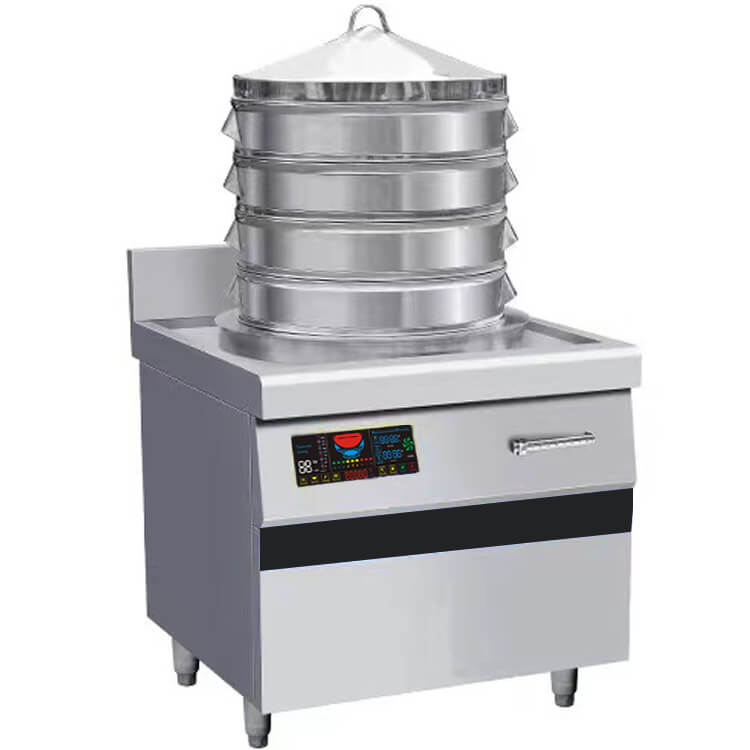
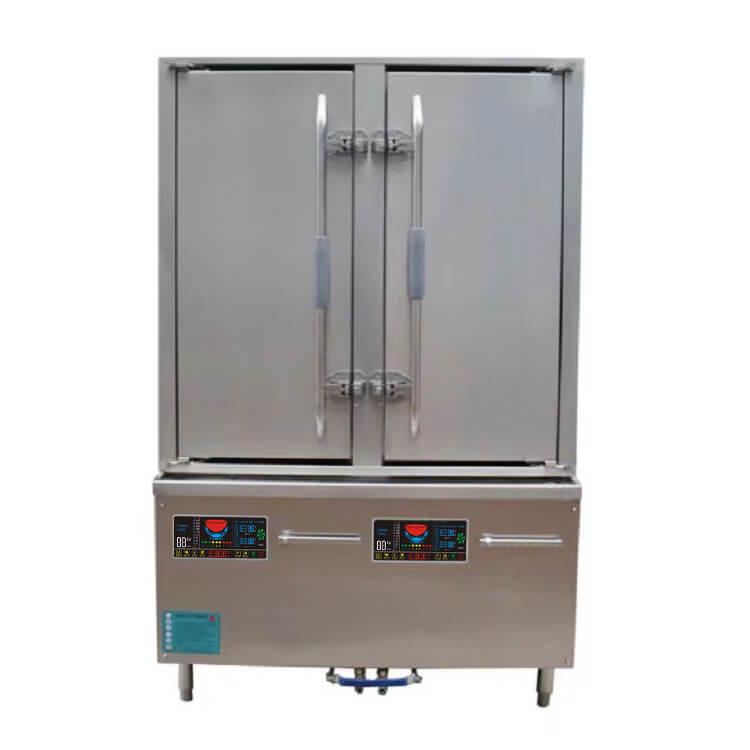
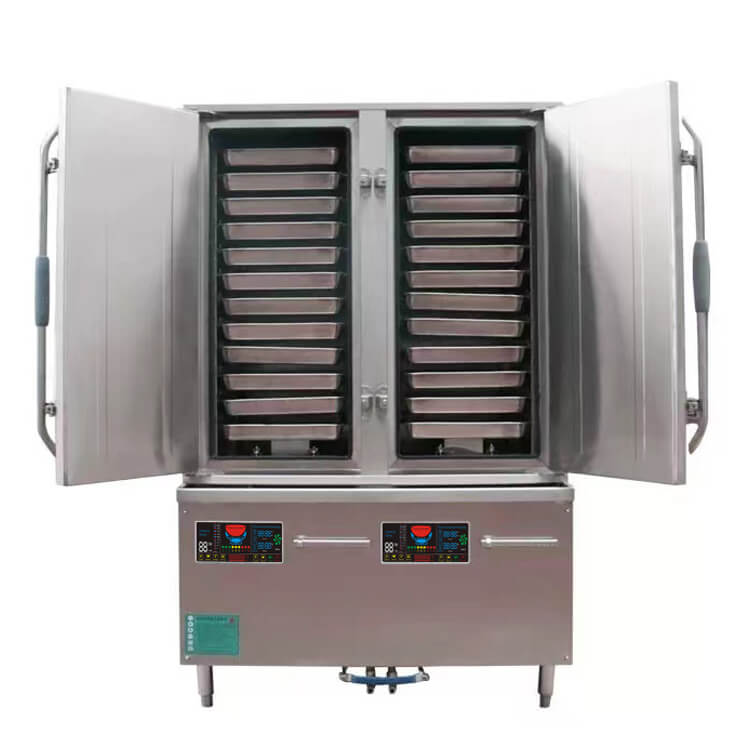
AT कुकर एग्जीक्यूटिव इनसाइट: The “Cold Corner” is the nemesis of bulk cooking. In a traditional 24-tray gas steamer, it is common to find the bottom trays burnt, the top trays dry, and the middle trays perfectly cooked—or vice versa. This uneven heating forces chefs to rotate trays manually, wasting labor and heat. The solution is physics, not magic. By switching to the AT Cooker Commercial Induction Rice Steamer, you utilize a pressurized, sealed heating environment that distributes steam with 100% uniformity. This guide explores the induction vs gas commercial rice steamer debate, focusing on how we solved the heat distribution puzzle.
Uneven cooking is not just an annoyance; it is a food cost issue. If 20% of your rice or seafood is overcooked or undercooked, it goes in the trash. Gas steamers suffer from inherent thermodynamic flaws: they rely on passive convection and require venting for combustion gases, which creates drafts and temperature gradients.
Induction steamers are different. Because they don’t burn fuel, they can be hermetically sealed. Because they generate heat via magnetic friction, they create steam instantly and violently. This results in a “saturated steam environment” where temperature variance is less than 1°C from the top rack to the bottom. In this article, we analyze the engineering behind solving uneven cooking in large kitchens.
อุปกรณ์ครัวเชิงพาณิชย์ - จาก AT Cooker
- ในฐานะผู้ผลิตแบรนด์อุปกรณ์ทำอาหารแบบเหนี่ยวนำเชิงพาณิชย์ระดับมืออาชีพ AT Cooker ได้ตอบสนองความต้องการของร้านอาหารและโรงแรม และวิจัยอุปกรณ์ทำอาหารเชิงพาณิชย์ตามมาตรฐานโดยใช้เทคโนโลยีการเหนี่ยวนำล่าสุด.
- อุปกรณ์ทำอาหารเชิงพาณิชย์คุณภาพระดับเชิงพาณิชย์ที่ไร้รอยต่อเหล่านี้เปิดโอกาสให้เราได้รวมอุปกรณ์ที่เราเลือกเข้ากับอุปกรณ์ทำอาหารอเนกประสงค์ที่ไร้รอยต่อ สร้างครัวเชิงพาณิชย์ที่มีประสิทธิภาพ ต้นทุนต่ำ ปลอดภัย เป็นมิตรต่อสิ่งแวดล้อม และยั่งยืน เรามีอุปกรณ์มาตรฐานที่สามารถให้บริการครัวเชิงพาณิชย์ได้หลายแห่ง.
- AT Cooker ให้บริการอย่างมืออาชีพเสมอ ตั้งแต่วัสดุ การออกแบบ ไปจนถึงการผลิต เรามุ่งเน้นที่คุณภาพ ประสิทธิภาพ และความน่าเชื่อถือ เพื่อให้มั่นใจว่าโซลูชันที่ดีที่สุดจะถูกส่งมอบให้กับลูกค้าของเราทุกคน คุณมีครัวเชิงพาณิชย์หรือไม่? เราจะเป็นหนึ่งในพันธมิตรที่ดีที่สุดของคุณ.
Work Voltage
| Single-Phase | Three-Phase |
|---|---|
| 120V, 220V | 208V/ 240V, 380V, 480V |
Global In-Stock + Fast Pickup
| US | UK | Germany | France |
|---|---|---|---|
| իտալիա | Իսպանիա | Բելգիա | Բուլղարիա |
1. The Thermodynamics of Gas Combustion: Why Heat Concentrates at the Top
Gas steamers operate by burning fuel at the bottom to heat water. As hot air rises rapidly, it bypasses the middle trays and accumulates at the top of the cabinet. This creates a “chimney effect” where the top trays cook fastest, the middle trays lag, and the bottom trays near the water reservoir might even scorch.
This natural convection is uncontrollable in a standard cabinet. The result is uneven product: mushy rice at the top, raw rice in the middle. Why does gas steamer cook unevenly? Because heat follows the path of least resistance—up and out.
2. How Induction Technology Generates Saturation Steam from the Bottom Up
เดอะ AT Cooker Induction Steamer works differently. It uses a high-power magnetic field to boil the water reservoir violently. This creates “Active Steam” with high kinetic energy.
This pressurized steam cloud doesn’t just drift up; it is forced up. It fills the cabinet from the bottom, pressurizing the entire chamber uniformly. This ensures that the bottom tray receives the same thermal energy as the top tray, solving the vertical temperature gradient problem.
3. Eliminating the “Cold Corner” Phenomenon in Large Capacity Cabinets
In wide 24-tray cabinets, corners are often dead zones where steam circulation is poor. This leads to rice that is undercooked on the edges.
Our induction units feature engineered steam baffles and a positive-pressure environment. The steam is directed to circulate horizontally as well as vertically, eliminating cold corners and ensuring even steam distribution commercial steamer performance across every square inch of every tray.
4. The Impact of Fluctuating Gas Pressure on Temperature Stability
Commercial kitchens share gas lines. When the fryers and ranges are all on during the dinner rush, gas pressure to the steamer drops. This lowers the flame, reduces steam production, and causes temperature fluctuations.
Induction is electrical. The 24KW power supply is regulated by an inverter. Regardless of what other equipment is running, the steamer receives constant power, generating a steady, unwavering supply of steam.
5. Comparing Thermal Recovery Rates: Why Induction Returns to Boil Faster
Opening the door to check food dumps heat instantly. A gas steamer takes minutes to recover its boiling point. During this lag, the rice cools and stops cooking.
Benefits of induction steam cabinet technology include instant torque. The moment the door closes, the induction coil ramps to full power in milliseconds, restoring the steam saturation almost immediately. This prevents the “stop-start” cooking that ruins texture.
5 տարվա երաշխիք | 2 տարվա անվճար փոխանակում | 1 տարվա անվճար վերադարձ
6. The Role of Airtight Seals and Insulation in Maintaining Uniform Internal Pressure
Ang mga gas steamer ay nangangailangan ng mga bentilasyon ng hangin para sa pagkasunog. Ang mga bentilasyong ito ay naglalabas ng init at presyon. Ang mga induction unit ay mga selyadong sistema.
เดอะ AT Cooker Ang cabinet ay gumagamit ng heavy-duty magnetic gaskets upang lumikha ng isang airtight seal. Ito ay nagpapahintulot sa presyon na bahagyang tumaas (humigit-kumulang 0.02 bar), na nagtutulak ng init sa core ng mga butil ng bigas nang mas mabilis at mas pantay kaysa sa atmospheric pressure lamang.
7. Pag-aalis ng Pangangailangan para sa Manu-manong Pag-ikot ng Tray Habang Nagluluto
Sa mga gas steamer, madalas na kailangang ihinto ng mga chef ang pagluluto, buksan ang pinto, at pagpalitin ang mga tuktok na tray sa mga ibabang tray upang matiyak ang pantay na pagluluto. Ito ay matrabaho at mapanganib.
Dahil ang induction ay nagbibigay ng pantay na pamamahagi ng init sa kusina ng komersyal na pantay, nilo-load mo ito, sine-set mo, at nakakalimutan mo. Hindi kailangan ng pag-ikot. Ang pagtitipid sa paggawa lamang ay maaaring makabawi sa halaga ng makina sa paglipas ng panahon.
8. Ang Pangmatagalang Epekto ng Pagsisikip ng Gas Nozzle sa Pagkakapare-pareho ng Init
Ang mga gas burner nozzle ay nasisikip ng grasa at carbon. Habang nasisikip ang mga ito, ang apoy ay nagiging hindi pantay, na lumilikha ng mainit at malamig na mga spot sa tangke ng tubig. Ito ay nagpapababa ng performance sa loob ng ilang buwan.
Ang mga induction coil ay selyado sa ilalim ng tangke. Hindi sila kailanman nasisikip. Ang performance sa Araw 1,000 ay pareho sa Araw 1, na tinitiyak ang pangmatagalang pagkakapare-pareho para sa iyong menu.
9. Paano Nakakaapekto ang Daloy ng Hangin sa Kusina sa mga Gas Flame Ngunit Hindi sa Induction Magnetic Fields
Ang isang fan sa kusina o isang bukas na pinto sa likuran ay maaaring magbuga ng gas flame sa gilid, na nagiging sanhi ng pag-init lamang ng isang bahagi ng tangke ng tubig. Ito ay nagreresulta sa hindi pantay na pagbuo ng singaw.
Ang mga magnetic field ay hindi apektado ng hangin. Ang AT Cooker unit ay nagpapainit ng tangke nang simetriko anuman ang kapaligiran, na ginagawa itong perpekto para sa mga kusinang may hangin o panlabas na kusina.
10. PID Controller Precision: Pagbabawas ng Pagbabago ng Temperatura sa Mas Mababa sa 1 Degree
Ang mga gas thermostat ay may “swing” na +/- 5-10 degrees. Ang induction ay gumagamit ng PID (Proportional-Integral-Derivative) controllers.
Ang digital brain na ito ay sinusubaybayan ang temperatura daan-daang beses bawat segundo at agad na inaayos ang kapangyarihan. Pinapanatili nito ang temperatura ng singaw na nakakandado sa loob ng 1 degree ng set point, na pumipigil sa mga siklo ng sobrang pagpapakulo at paglamig na sumisira sa mga delikadong seafood o custards.
11. Pagsusuri sa Pagkawala ng Init na “Chimney Effect” sa mga Tradisyonal na Disenyo ng Gas Steamer
Ang mga gas steamer ay nawawalan ng 40-50% ng kanilang enerhiya pataas sa flue (chimney). Ang nasasayang na init na ito ay hindi lamang nagkakahalaga ng pera kundi ginagawa ring hindi komportable ang kusina.
Ang induction ay walang flue. 95% ng enerhiya ang napupunta sa singaw. Ang kahusayan na ito ay nangangahulugan na maaari kang magluto nang mas mabilis na may mas kaunting kapangyarihan, makabuluhang energy efficient industrial catering equipment.
12. Pagpapatunay ng Pagkakapare-pareho ng Pagluluto sa Lahat ng 24 na Tray Gamit ang Thermal Imaging
Sinusubukan namin ang aming mga unit gamit ang mga thermal camera. Sa isang ganap na puno na cabinet:
- Temperatura ng Tuktok na Tray: 100.2°C
- Temperatura ng Gitnang Tray: 100.4°C
- Temperatura ng Ibabang Tray: 100.5°C
Ang pagkakaiba-iba na ito ay napakaliit. Pinapatunayan nito na nalutas ng induction technology ang problema sa vertical heat distribution.
| Feature | Gas Steamer | AT Cooker Induction |
|---|---|---|
| 1. ၵ႐႐႐႐႐႐႐႐႐႐႐႐႐႐႐႐႐႐႐႐႐႐႐႐႐႐႐႐႐႐႐႐႐႐႐႐႐႐႐႐႐႐႐႐႐႐႐႐႐႐႐႐႐႐႐႐႐႐႐႐႐႐႐႐႐႐႐႐႐႐႐႐႐႐႐႐႐႐႐႐႐႐႐႐႐႐႐႐႐႐႐႐႐႐႐႐႐႐႐႐႐႐႐႐႐႐႐႐႐႐႐႐႐႐႐႐႐႐႐႐႐႐႐႐႐႐႐႐႐႐႐႐႐႐႐႐႐႐႐႐႐႐႐႐႐႐႐႐႐႐႐႐႐႐႐႐႐႐႐႐႐႐႐႐႐႐႐႐႐႐႐႐႐႐႐႐႐႐႐႐႐႐႐႐႐႐႐႐႐႐႐႐႐႐႐႐႐႐႐႐႐႐႐႐႐႐႐႐႐႐႐႐႐႐႐႐႐႐႐႐႐႐႐႐႐႐႐႐႐႐႐႐႐႐႐႐႐႐႐႐႐႐႐႐႐႐႐႐႐႐႐႐႐႐႐႐႐႐႐႐႐႐႐႐႐႐႐႐႐႐႐႐႐႐႐႐႐႐႐႐႐႐႐႐႐႐႐႐႐႐႐႐႐႐႐႐႐႐႐႐႐႐႐႐႐႐႐႐႐႐႐႐႐႐႐႐႐႐႐႐႐႐႐႐႐႐႐႐႐႐႐႐႐႐႐႐႐႐႐႐႐႐႐႐႐႐႐႐႐႐႐႐႐႐႐႐႐႐႐႐႐႐႐႐႐႐႐႐႐႐႐႐႐႐႐႐႐႐႐႐႐႐႐႐႐႐႐႐႐႐႐႐႐႐႐႐႐႐႐႐႐႐႐႐႐႐႐႐႐႐႐႐႐႐႐႐႐႐႐႐႐႐႐႐႐႐႐႐႐႐႐႐႐႐႐႐႐႐႐႐႐႐႐႐႐႐႐႐႐႐႐႐႐႐႐႐႐႐႐႐႐႐႐႐႐႐႐႐႐႐႐႐႐႐႐႐႐႐႐႐႐႐႐႐႐႐႐႐႐႐႐႐႐႐႐႐႐႐႐႐႐႐႐႐႐႐႐႐႐႐႐႐႐႐႐႐႐႐႐႐႐႐႐႐႐႐႐႐႐႐႐႐႐႐႐႐႐႐႐႐႐႐႐႐႐႐႐႐႐႐႐႐႐႐႐႐႐႐႐႐႐႐႐႐႐႐႐႐႐႐႐႐႐႐႐႐႐႐႐႐႐႐႐႐႐႐႐႐႐႐႐႐႐႐႐႐႐႐႐႐႐႐႐႐႐႐႐႐႐႐႐႐႐႐႐႐႐႐႐႐႐႐႐႐႐႐႐႐႐႐႐႐႐႐႐႐႐႐႐႐႐႐႐႐႐႐႐႐႐႐႐႐႐႐႐႐႐႐႐႐႐႐႐႐႐႐႐႐႐႐႐႐႐႐႐႐႐႐႐႐႐႐႐႐႐႐႐႐႐႐႐႐႐႐႐႐႐႐႐႐႐႐႐႐႐႐႐႐႐႐႐႐႐႐႐႐႐႐႐႐႐႐႐႐႐႐႐႐႐႐႐႐႐႐႐႐႐႐႐႐႐႐႐႐႐႐႐႐႐႐႐႐႐႐႐႐႐႐႐႐႐႐႐႐႐႐႐႐႐႐႐႐႐႐႐႐႐႐႐႐႐႐႐႐႐႐႐႐႐႐႐႐႐႐႐႐႐႐႐႐႐႐႐႐႐႐႐႐႐႐႐႐႐႐႐႐႐႐႐႐႐႐႐႐႐႐႐႐႐႐႐႐႐႐႐႐႐႐႐႐႐႐႐႐႐႐႐႐႐႐႐႐႐႐႐႐႐႐႐႐႐႐႐႐႐႐႐႐႐႐႐႐႐႐႐႐႐႐႐႐႐႐႐႐႐႐႐႐႐႐႐႐႐႐႐႐႐႐႐႐႐႐႐႐႐႐႐႐႐႐႐႐႐႐႐႐႐႐႐႐႐႐႐႐႐႐႐႐႐႐႐႐႐႐႐႐႐႐႐႐႐႐႐႐႐႐႐႐႐႐႐႐႐႐႐႐႐႐႐႐႐႐႐႐႐႐႐႐႐႐႐႐႐႐႐႐႐႐႐႐႐႐႐႐႐႐႐႐႐႐႐႐႐႐႐႐႐႐႐႐႐႐႐႐႐႐႐႐႐႐႐႐႐႐႐႐႐႐႐႐႐႐႐႐႐႐႐႐႐႐႐႐႐႐႐႐႐႐႐႐႐႐႐႐႐႐႐႐႐႐႐႐႐႐႐႐႐႐႐႐႐႐႐႐႐႐႐႐႐႐႐႐႐႐႐႐႐႐႐႐႐႐႐႐႐႐႐႐႐႐႐႐႐႐႐႐႐႐႐႐႐႐႐႐႐႐႐႐႐႐႐႐႐႐႐႐႐႐႐႐႐႐႐႐႐႐႐႐႐႐႐႐႐႐႐႐႐႐႐႐႐႐႐႐႐႐႐႐႐႐႐႐႐႐႐႐႐႐႐႐႐႐႐႐႐႐႐႐႐႐႐႐႐႐႐႐႐႐႐႐႐႐႐႐႐႐႐႐႐႐႐႐႐႐႐႐႐႐႐႐႐႐႐႐႐႐႐႐႐႐႐႐႐႐႐႐႐႐႐႐႐႐႐႐႐႐႐႐႐႐႐႐႐႐႐႐႐႐႐႐႐႐႐႐႐႐႐႐႐႐႐႐႐႐႐႐႐႐႐႐႐႐႐႐႐႐႐႐႐႐႐႐႐႐႐႐႐႐႐႐႐႐႐႐႐႐႐႐႐႐႐႐႐႐႐႐႐႐႐႐႐႐႐႐႐႐႐႐႐႐႐႐႐႐႐႐႐႐႐႐႐႐႐႐႐႐႐႐႐႐႐႐႐႐႐႐႐႐႐႐႐႐႐႐႐႐႐႐႐႐႐႐႐႐႐႐႐႐႐႐႐႐႐႐႐႐႐႐႐႐႐႐႐႐႐႐႐႐႐႐႐႐႐႐႐႐႐႐႐႐႐႐႐႐႐႐႐႐႐႐႐႐႐႐႐႐႐႐႐႐႐႐႐႐႐႐႐႐႐႐႐႐႐႐႐႐႐႐႐႐႐႐႐႐႐႐႐႐႐႐႐႐႐႐႐႐႐႐႐႐႐႐႐႐႐႐႐႐႐႐႐႐႐႐႐႐႐႐႐႐႐႐႐႐႐႐႐႐႐႐႐႐႐႐႐႐႐႐႐႐႐႐႐႐႐႐႐႐႐႐႐႐႐႐႐႐႐႐႐႐႐႐႐႐႐႐႐႐႐႐႐႐႐႐႐႐႐႐႐႐႐႐႐႐႐႐႐႐႐႐႐႐႐႐႐႐႐႐႐႐႐႐႐႐႐႐႐႐႐႐႐႐႐႐႐႐႐႐႐႐႐႐႐႐႐႐႐႐႐႐႐႐႐႐႐႐႐႐႐႐႐႐႐႐႐႐႐႐႐႐႐႐႐႐႐႐႐႐႐႐႐႐႐႐႐႐႐႐႐႐႐႐႐႐႐႐႐႐႐႐႐႐႐႐႐႐႐႐႐႐႐႐႐႐႐႐႐႐႐႐႐႐႐႐႐႐႐႐႐႐႐႐႐႐႐႐႐႐႐႐႐႐႐႐႐႐႐႐႐႐႐႐႐႐႐႐႐႐႐႐႐႐႐႐႐႐႐႐႐႐႐႐႐႐႐႐႐႐႐႐႐႐႐႐႐႐႐႐႐႐႐႐႐႐႐႐႐႐႐႐႐႐႐႐႐႐႐႐႐႐႐႐႐႐႐႐႐႐႐႐႐႐႐႐႐႐႐႐႐႐႐႐႐႐႐႐႐႐႐႐႐႐႐႐႐႐႐႐႐႐႐႐႐႐႐႐႐႐႐႐႐႐႐႐႐႐႐႐႐႐႐႐႐႐႐႐႐႐႐႐႐႐႐႐႐႐႐႐႐႐႐႐႐႐႐႐႐႐႐႐႐႐႐႐႐႐႐႐႐႐႐႐႐႐႐႐႐႐႐႐႐႐႐႐႐႐႐႐႐႐႐႐႐႐႐႐႐႐႐႐႐႐႐႐႐႐႐႐႐႐႐႐႐႐႐႐႐႐႐႐႐႐႐႐႐႐႐႐႐႐႐႐႐႐႐႐႐႐႐႐႐႐႐႐႐႐႐႐႐႐႐႐႐႐႐႐႐႐႐႐႐႐႐႐႐႐႐႐႐႐႐႐႐႐႐႐႐႐႐႐႐႐႐႐႐႐႐႐႐႐႐႐႐႐႐႐႐႐႐႐႐႐႐႐႐႐႐႐႐႐႐႐႐႐႐႐႐႐႐႐႐႐႐႐႐႐႐႐႐႐႐႐႐႐႐႐႐႐႐႐႐႐႐႐႐႐႐႐႐႐႐႐႐႐႐႐႐႐႐႐႐႐႐႐႐႐႐႐႐႐႐႐႐႐႐႐႐႐႐႐႐႐႐႐႐႐႐႐႐႐႐႐႐႐႐႐႐႐႐႐႐႐႐႐႐႐႐႐႐႐႐႐႐႐႐႐႐႐႐႐႐႐႐႐႐႐႐႐႐႐႐႐႐႐႐႐႐႐႐႐႐႐႐႐႐႐႐႐႐႐႐႐႐႐႐႐႐႐႐႐႐႐႐႐႐႐႐႐႐႐႐႐႐႐႐႐႐႐႐႐႐႐႐႐႐႐႐႐႐႐႐႐႐႐႐႐႐႐႐႐႐႐႐႐႐႐႐႐႐႐႐႐႐႐႐႐႐႐႐႐႐႐႐႐႐႐႐႐႐႐႐႐႐႐႐႐႐႐႐႐႐႐႐႐႐႐႐႐႐႐႐႐႐႐႐႐႐႐႐႐႐႐႐႐႐႐႐႐႐႐႐႐႐႐႐႐႐႐႐႐႐႐႐႐႐႐႐႐႐႐႐႐႐႐႐႐႐႐႐႐႐႐႐႐႐႐႐႐႐႐႐႐႐႐႐႐႐႐႐႐႐႐႐႐႐႐႐႐႐႐႐႐႐႐႐႐႐႐႐႐႐႐႐႐႐႐႐႐႐႐႐႐႐႐႐႐႐႐႐႐႐႐႐႐႐႐႐႐႐႐႐႐႐႐႐႐႐႐႐႐႐႐႐႐႐႐႐႐႐႐႐႐႐႐႐႐႐႐႐႐႐႐႐႐႐႐႐႐႐႐႐႐႐႐႐႐႐႐႐႐႐႐႐႐႐႐႐႐႐႐႐႐႐႐႐႐႐႐႐႐႐႐႐႐႐႐႐႐႐႐႐႐႐႐႐႐႐႐႐႐႐႐႐႐႐႐႐႐႐႐႐႐႐႐႐႐႐႐႐႐႐႐႐႐႐႐႐႐႐႐႐႐႐႐႐႐႐႐႐႐႐႐႐႐႐႐႐႐႐႐႐႐႐႐႐႐႐႐႐႐႐႐႐႐႐႐႐႐႐႐႐႐႐႐႐႐႐႐႐႐႐႐႐႐႐႐႐႐႐႐႐႐႐႐႐႐႐႐႐႐႐႐႐႐႐႐႐႐႐႐႐႐႐႐႐႐႐႐႐႐႐႐႐႐႐႐႐႐႐႐႐႐႐႐႐႐႐႐႐႐႐႐႐႐႐႐႐႐႐႐႐႐႐႐႐႐႐႐႐႐႐႐႐႐႐႐႐႐႐႐႐႐႐႐႐႐႐႐႐႐႐႐႐႐႐႐႐႐႐႐႐႐႐႐႐႐႐႐႐႐႐႐႐႐႐႐႐႐႐႐႐႐႐႐႐႐႐႐႐႐႐႐႐႐႐႐႐႐႐႐႐႐႐႐႐႐႐႐႐႐႐႐႐႐႐႐႐႐႐႐႐႐႐႐႐႐႐႐႐႐႐႐႐႐႐႐႐႐႐႐႐႐႐႐႐႐႐႐႐႐႐႐႐႐႐႐႐႐႐႐႐႐႐႐႐႐႐႐႐႐႐႐႐႐႐႐႐႐႐႐႐႐႐႐႐႐႐႐႐႐႐႐႐႐႐႐႐႐႐႐႐႐႐႐႐႐႐႐႐႐႐႐႐႐႐႐႐႐႐႐႐႐႐႐႐႐႐႐႐႐႐႐႐႐႐႐႐႐႐႐႐႐႐႐႐႐႐႐႐႐႐႐႐႐႐႐႐႐႐႐႐႐႐႐႐႐႐႐႐႐႐႐႐႐႐႐႐႐႐႐႐႐႐႐႐႐႐႐႐႐႐႐႐႐႐႐႐႐႐႐႐႐႐႐႐႐႐႐႐႐႐႐႐႐႐႐႐႐႐႐႐႐႐႐႐႐႐႐႐႐႐႐႐႐႐႐႐႐႐႐႐႐႐႐႐႐႐႐႐႐႐႐႐႐႐႐႐႐႐႐႐႐႐႐႐႐႐႐႐႐႐႐႐႐႐႐႐႐႐႐႐႐႐႐႐႐႐႐႐႐႐႐႐႐႐႐႐႐႐႐႐႐႐႐႐႐႐႐႐႐႐႐႐႐႐႐႐႐႐႐႐႐႐႐႐႐႐႐႐႐႐႐႐႐႐႐႐႐႐႐႐႐႐႐႐႐႐႐႐႐႐႐႐႐႐႐႐႐႐႐႐႐႐႐႐႐႐႐႐႐႐႐႐႐႐႐႐႐႐႐႐႐႐႐႐႐႐႐႐႐႐႐႐႐႐႐႐႐႐႐႐႐႐႐႐႐႐႐႐႐႐႐႐႐႐႐႐႐႐႐႐႐႐႐႐႐႐႐႐႐႐႐႐႐႐႐႐႐႐႐႐႐႐႐႐႐႐႐႐႐႐႐႐႐႐႐႐႐႐႐႐႐႐႐႐႐႐႐႐႐႐႐႐႐႐႐႐႐႐႐႐႐႐႐႐႐႐႐႐႐႐႐႐႐႐႐႐႐႐႐႐႐႐႐႐႐႐႐႐႐႐႐႐႐႐႐႐႐႐႐႐႐႐႐႐႐႐႐႐႐႐႐႐႐႐႐႐႐႐႐႐႐႐႐႐႐႐႐႐႐႐႐႐႐႐႐႐႐႐႐႐႐႐႐႐႐႐႐႐႐႐႐႐႐႐႐႐႐႐႐႐႐႐႐႐႐႐႐႐႐႐႐႐႐႐႐႐႐႐႐႐႐႐႐႐႐႐႐႐႐႐႐႐႐႐႐႐႐႐႐႐႐႐႐႐႐႐႐႐႐႐႐႐႐႐႐႐႐႐႐႐႐႐႐႐႐႐႐႐႐႐႐႐႐႐႐႐႐႐႐႐႐႐႐႐႐႐႐႐႐႐႐႐႐႐႐႐႐႐႐႐႐႐႐႐႐႐႐႐႐႐႐႐႐႐႐႐႐႐႐႐႐႐႐႐႐႐႐႐႐႐႐႐႐႐႐႐႐႐႐႐႐႐႐႐႐႐႐႐႐႐႐႐႐႐႐႐႐႐႐႐႐႐႐႐႐႐႐႐႐႐႐႐႐႐႐႐႐႐႐႐႐႐႐႐႐႐႐႐႐႐႐႐႐႐႐႐႐႐႐႐႐႐႐႐႐႐႐႐႐႐႐႐႐႐႐႐႐႐႐႐႐႐႐႐႐႐႐႐႐႐႐႐႐႐႐႐႐႐႐႐႐႐႐႐႐႐႐႐႐႐႐႐႐႐႐႐႐႐႐႐႐႐႐႐႐႐႐႐႐႐႐႐႐႐႐႐႐႐႐႐႐႐႐႐႐႐႐႐႐႐႐႐႐႐႐႐႐႐႐႐႐႐႐႐႐႐႐႐႐႐႐႐႐႐႐႐႐႐႐႐႐႐႐႐႐႐႐႐႐႐႐႐႐႐႐႐႐႐႐႐႐႐႐႐႐႐႐႐႐႐႐႐႐႐႐႐႐႐႐႐႐႐႐႐႐႐႐႐႐႐႐႐႐႐႐႐႐႐႐႐႐႐႐႐႐႐႐႐႐႐႐႐႐႐႐႐႐႐႐႐႐႐႐႐႐႐႐႐႐႐႐႐႐႐႐႐႐႐႐႐႐႐႐႐႐႐႐႐႐႐႐႐႐႐႐႐႐႐႐႐႐႐႐႐႐႐႐႐႐႐႐႐႐႐႐႐႐႐႐႐႐႐႐႐႐႐႐႐႐႐႐႐႐႐႐႐႐႐႐႐႐႐႐႐႐႐႐႐႐႐႐႐႐႐႐႐႐႐႐႐႐႐႐႐႐႐႐႐႐႐႐႐႐႐႐႐႐႐႐႐႐႐႐႐႐႐႐႐႐႐႐႐႐႐႐႐႐႐႐႐႐႐႐႐႐႐႐႐႐႐႐႐႐႐႐႐႐႐႐႐႐႐႐႐႐႐႐႐႐႐႐႐႐႐႐႐႐႐႐႐႐႐႐႐႐႐႐႐႐႐႐႐႐႐႐႐႐႐႐႐႐႐႐႐႐႐႐႐႐႐႐႐႐႐႐႐႐႐႐႐႐႐႐႐႐႐႐႐႐႐႐႐႐႐႐႐႐႐႐႐႐႐႐႐႐႐႐႐႐႐႐႐႐႐႐႐႐႐႐႐႐႐႐႐႐႐႐႐႐႐႐႐႐႐႐႐႐႐႐႐႐႐႐႐႐႐႐႐႐႐႐႐႐႐႐႐႐႐႐႐႐႐႐႐႐႐႐႐႐႐႐႐႐႐႐႐႐႐႐႐႐႐႐႐႐႐႐႐႐႐႐႐႐႐႐႐႐႐႐႐႐႐႐႐႐႐႐႐႐႐႐႐႐႐႐႐႐႐႐႐႐႐႐႐႐႐႐႐႐႐႐႐႐႐႐႐႐႐႐႐႐႐႐႐႐႐႐႐႐႐႐႐႐႐႐႐႐႐႐႐႐႐႐႐႐႐႐႐႐႐႐႐႐႐႐႐႐႐႐႐႐႐႐႐႐႐႐႐႐႐႐႐႐႐႐႐႐႐႐႐႐႐႐႐႐႐႐႐႐႐႐႐႐႐႐႐႐႐႐႐႐႐႐႐႐႐႐႐႐႐႐႐႐႐႐႐႐႐႐႐႐႐႐႐႐႐႐႐႐႐႐႐႐႐႐႐႐႐႐႐႐႐႐႐႐႐႐႐႐႐႐႐႐႐႐႐႐႐႐႐႐႐႐႐႐႐႐႐႐႐႐႐႐႐႐႐႐႐႐႐႐႐႐႐႐႐႐႐႐႐႐႐႐႐႐႐႐႐႐႐႐႐႐႐႐႐႐႐႐႐႐႐႐႐႐႐႐႐႐႐႐႐႐႐႐႐႐႐႐႐႐႐႐႐႐႐႐႐႐႐႐႐႐႐႐႐႐႐႐႐႐႐႐႐႐႐႐႐႐႐႐႐႐႐႐႐႐႐႐႐႐႐႐႐႐႐႐႐႐႐႐႐႐႐႐႐႐႐႐႐႐႐႐႐႐႐႐႐႐႐႐႐႐႐႐႐႐႐႐႐႐႐႐႐႐႐႐႐႐႐႐႐႐႐႐႐႐႐႐႐႐႐႐႐႐႐႐႐႐႐႐႐႐႐႐႐႐႐႐႐႐႐႐႐႐႐႐႐႐႐႐႐႐႐႐႐႐႐႐႐႐႐႐႐႐႐႐႐႐႐႐႐႐႐႐႐႐႐႐႐႐႐႐႐႐႐႐႐႐႐႐႐႐႐႐႐႐႐႐႐႐႐႐႐႐႐႐႐႐႐႐႐႐႐႐႐႐႐႐႐႐႐႐႐႐႐႐႐႐႐႐႐႐႐႐႐႐႐႐႐႐႐႐႐႐႐႐႐႐႐႐႐႐႐႐႐႐႐႐႐႐႐႐႐႐႐႐႐႐႐႐႐႐႐႐႐႐႐႐႐႐႐႐႐႐႐႐႐႐႐႐႐႐႐႐႐႐႐႐႐႐႐႐႐႐႐႐႐႐႐႐႐႐႐႐႐႐႐႐႐႐႐႐႐႐႐႐႐႐႐႐႐႐႐႐႐႐႐႐႐႐႐႐႐႐႐႐႐႐႐႐႐႐႐႐႐႐႐႐႐႐႐႐႐႐႐႐႐႐႐႐႐႐႐႐႐႐႐႐႐႐႐႐႐႐႐႐႐႐႐႐႐႐႐႐႐႐႐႐႐႐႐႐႐႐႐႐႐႐႐႐႐႐႐႐႐႐႐႐႐႐႐႐႐႐႐႐႐႐႐႐႐႐႐႐႐႐႐႐႐႐႐႐႐႐႐႐႐႐႐႐႐႐႐႐႐႐႐႐႐႐႐႐႐႐႐႐႐႐႐႐႐႐႐႐႐႐႐႐႐႐႐႐႐႐႐႐႐႐႐႐႐႐႐႐႐႐႐႐႐႐႐႐႐႐႐႐႐႐႐႐႐႐႐႐႐႐႐႐႐႐႐႐႐႐႐႐႐႐႐႐႐႐႐႐႐႐႐႐႐႐႐႐႐႐႐႐႐႐႐႐႐႐႐႐႐႐႐႐႐႐႐႐႐႐႐႐႐႐႐႐႐႐႐႐႐႐႐႐႐႐႐႐႐႐႐႐႐႐႐႐႐႐႐႐႐႐႐႐႐႐႐႐႐႐႐႐႐႐႐႐႐႐႐႐႐႐႐႐႐႐႐႐႐႐႐႐႐႐႐႐႐႐႐႐႐႐႐႐႐႐႐႐႐႐႐႐႐႐႐႐႐႐႐႐႐႐႐႐႐႐႐႐႐႐႐႐႐႐႐႐႐႐႐႐႐႐႐႐႐႐႐႐႐႐႐႐႐႐႐႐႐႐႐႐႐႐႐႐႐႐႐႐႐႐႐႐႐႐႐႐႐႐႐႐႐႐႐႐႐႐႐႐႐႐႐႐႐႐႐႐႐႐႐႐႐႐႐႐႐႐႐႐႐႐႐႐႐႐႐႐႐႐႐႐႐႐႐႐႐႐႐႐႐႐႐႐႐႐႐႐႐႐႐႐႐႐႐႐႐႐႐႐႐႐႐႐႐႐႐႐႐႐႐႐႐႐႐႐႐႐႐႐႐႐႐႐႐႐႐႐႐႐႐႐႐႐႐႐႐႐႐႐႐႐႐႐႐႐႐႐႐႐႐႐႐႐႐႐႐႐႐႐႐႐႐႐႐႐႐႐႐႐႐႐႐႐႐႐႐႐႐႐႐႐႐႐႐႐႐႐႐႐႐႐႐႐႐႐႐႐႐႐႐႐႐႐႐႐႐႐႐႐႐႐႐႐႐႐႐႐႐႐႐႐႐႐႐႐႐႐႐႐႐႐႐႐႐႐႐႐႐႐႐႐႐႐႐႐႐႐႐႐႐႐႐႐႐႐႐႐႐႐႐႐႐႐႐႐႐႐႐႐႐႐႐႐႐႐႐႐႐႐႐႐႐႐႐႐႐႐႐႐႐႐႐႐႐႐႐႐႐႐႐႐႐႐႐႐႐႐႐႐႐႐႐႐႐႐႐႐႐႐႐႐႐႐႐႐႐႐႐႐႐႐႐႐႐႐႐႐႐႐႐႐႐႐႐႐႐႐႐႐႐႐႐႐႐႐႐႐႐႐႐႐႐႐႐႐႐႐႐႐႐႐႐႐႐႐႐႐႐႐႐႐႐႐႐႐႐႐႐႐႐႐႐႐႐႐႐႐႐႐႐႐႐႐႐႐႐႐႐႐႐႐႐႐႐႐႐႐႐႐႐႐႐႐႐႐႐႐႐႐႐႐႐႐႐႐႐႐႐႐႐႐႐႐႐႐႐႐႐႐႐႐႐႐႐႐႐႐႐႐႐႐႐႐႐႐႐႐႐႐႐႐႐႐႐႐႐႐႐႐႐႐႐႐႐႐႐႐႐႐႐႐႐႐႐႐႐႐႐႐႐႐႐႐႐႐႐႐႐႐႐႐႐႐႐႐႐႐႐႐႐႐႐႐႐႐႐႐႐႐႐႐႐႐႐႐႐႐႐႐႐႐႐႐႐႐႐႐႐႐႐႐႐႐႐႐႐႐႐႐႐႐႐႐႐႐ | Combustion (Uneven) | Magnetic (Uniform) |
| Pressure | Variable | Stable (Sealed) |
| Recovery | Slow | Instant |
| Variance | High (Hot/Cold Spots) | Low (<1°C) |
5 տարվա երաշխիք | 2 տարվա անվճար փոխանակում | 1 տարվա անվճար վերադարձ
Final Thoughts from AT Cooker
Uneven heating is a solvable engineering problem. By replacing combustion with magnetic induction, the AT Cooker Commercial Rice Steamer delivers perfect, consistent results from the first tray to the last.
With stock ready for fast delivery in the USA, Germany, France, UK, Belgium, Italy, Spain, and Bulgaria, we can help you standardize your large-scale cooking. Visit our жөнүндөពួកเรา ຫນ້າເພື່ອຮຽນຮູ້ເພີ່ມເຕີມ.