Induction vs. Gas: Keeping Small Noodle Bars Cooler and Profitable
5 տարվա երաշխիք | 2 տարվա անվճար փոխանակում | 1 տարվա անվճար վերադարձ
For a small noodle bar with limited square footage, the choice between gas and induction is not just about cooking; it’s about survival. Gas burners are powerful, but they act like uncontrolled radiators, pumping massive amounts of waste heat into your tiny dining room. This forces you to spend a fortune on air conditioning just to keep customers from leaving.
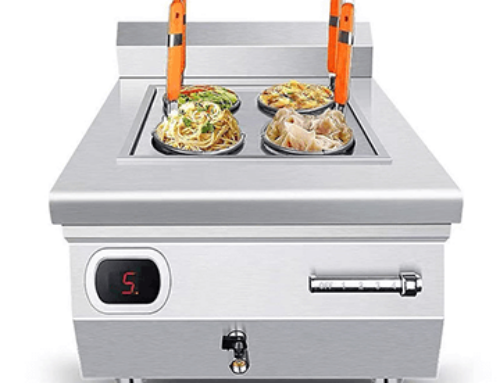
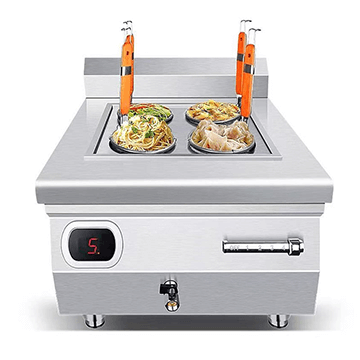
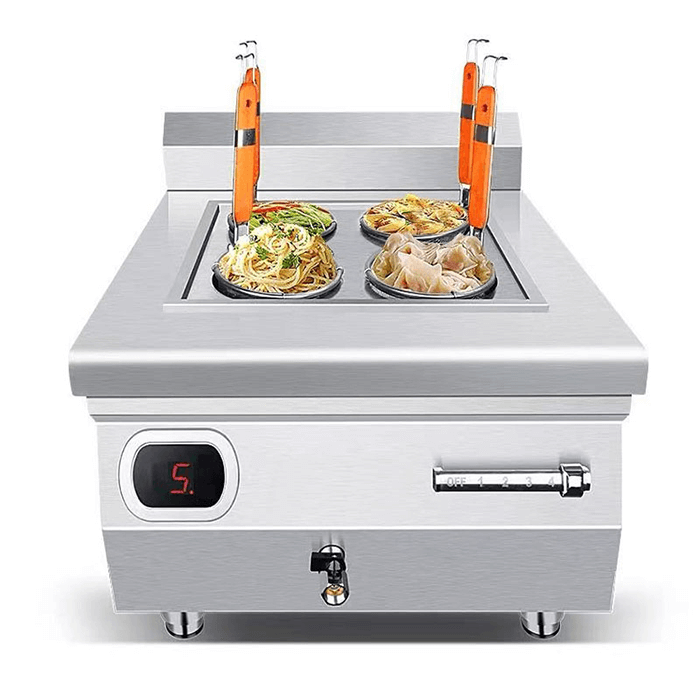
This commercial induction vs gas noodle cooker comparison reveals a clear winner. By switching to the ATT-APST C5 Tabletop Induction Noodle Cooker, you eliminate the heat source, not just the symptom. Let’s analyze how this technology keeps your kitchen cool, your bills low, and your profits high.
อุปกรณ์ครัวเชิงพาณิชย์ - จาก AT Cooker
- ในฐานะผู้ผลิตแบรนด์อุปกรณ์ทำอาหารแบบเหนี่ยวนำเชิงพาณิชย์ระดับมืออาชีพ AT Cooker ได้ตอบสนองความต้องการของร้านอาหารและโรงแรม และวิจัยอุปกรณ์ทำอาหารเชิงพาณิชย์ตามมาตรฐานโดยใช้เทคโนโลยีการเหนี่ยวนำล่าสุด.
- อุปกรณ์ทำอาหารเชิงพาณิชย์คุณภาพระดับเชิงพาณิชย์ที่ไร้รอยต่อเหล่านี้เปิดโอกาสให้เราได้รวมอุปกรณ์ที่เราเลือกเข้ากับอุปกรณ์ทำอาหารอเนกประสงค์ที่ไร้รอยต่อ สร้างครัวเชิงพาณิชย์ที่มีประสิทธิภาพ ต้นทุนต่ำ ปลอดภัย เป็นมิตรต่อสิ่งแวดล้อม และยั่งยืน เรามีอุปกรณ์มาตรฐานที่สามารถให้บริการครัวเชิงพาณิชย์ได้หลายแห่ง.
- AT Cooker ให้บริการอย่างมืออาชีพเสมอ ตั้งแต่วัสดุ การออกแบบ ไปจนถึงการผลิต เรามุ่งเน้นที่คุณภาพ ประสิทธิภาพ และความน่าเชื่อถือ เพื่อให้มั่นใจว่าโซลูชันที่ดีที่สุดจะถูกส่งมอบให้กับลูกค้าของเราทุกคน คุณมีครัวเชิงพาณิชย์หรือไม่? เราจะเป็นหนึ่งในพันธมิตรที่ดีที่สุดของคุณ.
Work Voltage
| Single-Phase | Three-Phase |
|---|---|
| 120V, 220V | 208V/ 240V, 380V, 480V |
Global In-Stock + Fast Pickup
| US | UK | Germany | France |
|---|---|---|---|
| իտալիա | Իսպանիա | Բելգիա | Բուլղարիա |
1. The Thermodynamics of Waste Heat: Why Gas Dumps 60% of Energy into Your Dining Room
A gas burner operates on an open flame principle. Physics dictates that much of this heat escapes around the sides of the pot. In fact, up to 60% of the energy you pay for is wasted, heating the air instead of the water.
This fugitive heat doesn’t just disappear; it drifts into your dining area. For a small noodle bar, this means the ambient temperature rises rapidly, forcing your air conditioning to work overtime to fight a battle it was never designed to win.
2. Comparing Ambient Temperature Rise: Testing Gas vs Induction in a 20sqm Space
In a controlled test within a 20sqm enclosed kitchen, running a gas pasta cooker for one hour raised the ambient temperature by 8°C. Running the ATT-APST C5 induction cooker raised it by less than 2°C.
3. The “Double Cost” Trap: Paying for Gas Heat and Electricity to Remove It
Using gas creates a financial paradox: you pay the gas company to generate heat, and then you pay the electric company to remove that same heat via AC.
Sa pamamagitan ng paglipat sa tabletop pasta boiler efficiency, you break this cycle. You pay only for the energy that cooks the noodles. The reduction in AC load is an immediate, tangible saving on your monthly P&L statement.
4. Customer Comfort Analysis: Preventing Heat Fatigue at Counter Seating Zones
In a noodle bar, the best seats are often at the counter, right in front of the kitchen. If you use gas, these seats are hot and uncomfortable.
Induction technology ensures that customers sitting inches away from the boiling station feel no radiant heat. This reducing restaurant ambient heat capability transforms the counter into a premium seating area rather than a sweat zone.
5. Reducing HVAC Tonnage: Lowering Ventilation Capital Costs for Small Footprints
Opening a new restaurant? Gas equipment requires heavy-duty Type I hoods with fire suppression and massive exhaust fans to remove combustion gases.
The ATT-APST C5 produces no combustion fumes. In many jurisdictions, this allows for simpler Type II hoods (steam vents), which are significantly cheaper to install and operate. This lowers your initial capital expenditure (CAPEX) for ventilation.
6. The Safety Radius: Eliminating Open Flame Risks in Tight Noodle Bar Layouts
In a tight 480×570mm footprint, safety is paramount. An open gas flame is a constant hazard for staff bumping into each other or customers leaning over the counter.
Induction is flameless. The “Safety Radius” is effectively zero. You can place prep ingredients, plastic squeeze bottles, or even the POS system closer to the cooker without risk of melting or ignition.
7. Protecting Ingredient Freshness: How Ambient Heat Degrades Prep Table Quality
Noodle toppings like sliced pork, green onions, and soft-boiled eggs sit in prep fridges nearby. High ambient heat from gas burners forces these fridges to work harder and can spoil delicate ingredients.
The cool operation of the ATT-APST C5 preserves the “Cold Chain” integrity of your mise en place, ensuring every bowl served is fresh and safe.
5 տարվա երաշխիք | 2 տարվա անվճար փոխանակում | 1 տարվա անվճար վերադարձ
8. Impacto Acústico: Substituindo o Rugido dos Queimadores a Gás por Operação Magnética Silenciosa
Queimadores a jato de gás são barulhentos. O rugido constante cria poluição sonora que força os clientes a gritar.
A indução é silenciosa. O único som é o borbulhar suave da água. Isso cria um ambiente acústico calmo e sofisticado onde música de fundo e conversas podem ser apreciadas, elevando o valor percebido do seu estabelecimento.
9. Vapor vs. Combustão: Por Que a Indução Requer Menos Extração de Ar Agressiva
O gás produz monóxido de carbono e óxidos de nitrogênio que devem ser ventilados. A indução produz apenas vapor.
O vapor é mais fácil de gerenciar. Você não precisa de sistemas agressivos de ar de reposição que sugam ar condicionado caro para fora do prédio. Um simples extrator de sobrecarga geralmente é suficiente, além de economias de HVAC de restaurantes.
10. O Padrão “Ming Dang”: Melhorando a Higiene Visual Eliminando Fuligem e Gordura
Em uma cozinha aberta (“Ming Dang”), a higiene visual é marketing. Queimadores a gás criam fuligem que escurece panelas e paredes.
O corpo de aço inoxidável do ATT-APST C5 limpa facilmente. Não há grades para esfregar ou depósitos de carbono para raspar. O equipamento sempre parece impecavelmente limpo, tranquilizando os clientes sobre seus padrões de higiene.
11. Maximizando “Ping Xiao”: Como os Requisitos Reduzidos de Dutos Aumentam a Capacidade de Assentos
“Ping Xiao” (Eficiência por metro quadrado) é crítico. Capuzes de gás massivos exigem espaço vertical e dutos que consomem área utilizável.
Ao usar unidades de indução compactas com requisitos de ventilação menores, você pode recuperar espaço vertical e potencialmente acomodar mais assentos em seu plano de planta. Mais assentos significam maior receita potencial.
5 տարվա երաշխիք | 2 տարվա անվճար փոխանակում | 1 տարվա անվճար վերադարձ
Considerações Finais: A Escolha Fria é a Escolha Lucrativa
Quando você faz as contas — considerando contas de energia, cargas de ar condicionado, custos de ventilação e conforto do cliente — a indução é a escolha clara para espaços pequenos. O ATT-APST C5 não é apenas um fogão; é um motor de lucratividade para o seu bar de macarrão.
Comece a Economizar em Suas Contas de Utilidade
Mude para a eficiência fria da indução. Entre em contato com a AT Cooker para um orçamento do ATT-APST C5 hoje mesmo.