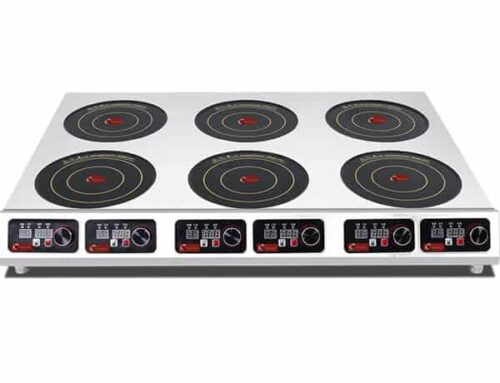
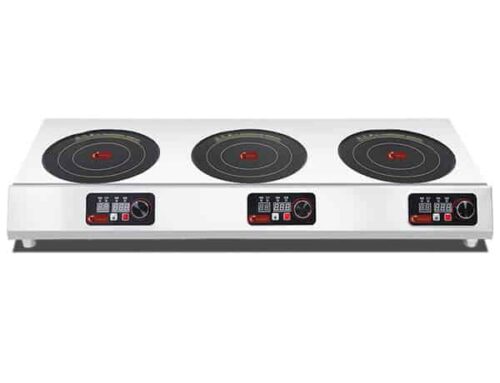
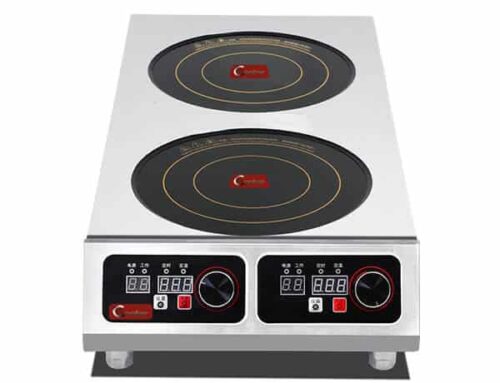
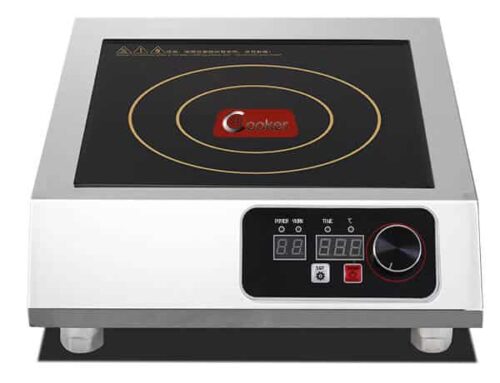
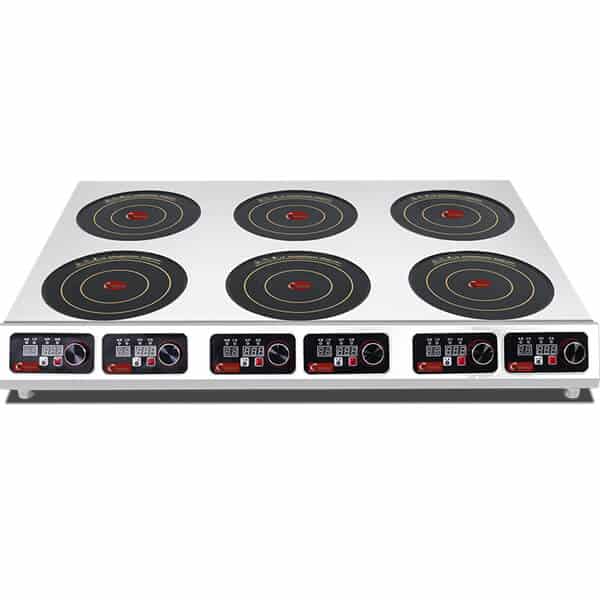
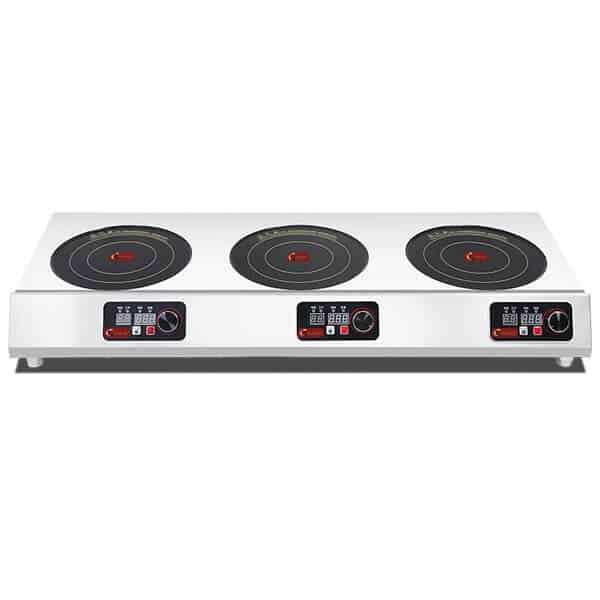
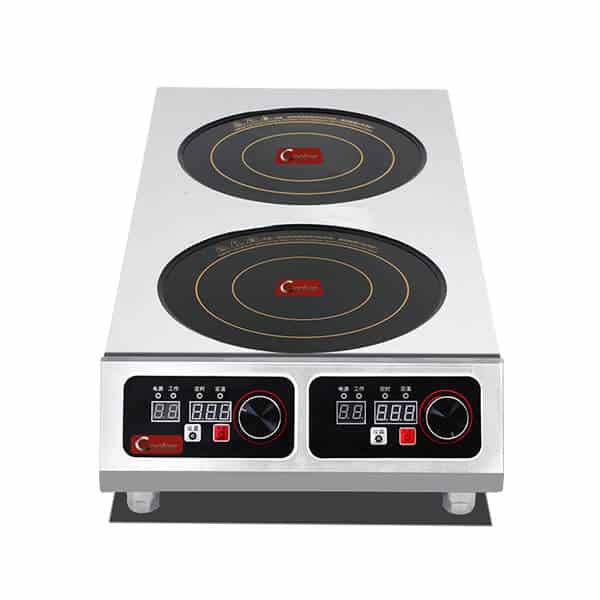
Ang presyo ng induction burner kumpara sa tradisyonal na electric o gas cooktops?
Kapag nag-aayos ng isang commercial kitchen—maging ito man ay isang mataong downtown café, isang high-volume restaurant, o isang mobile food truck—ang gastos ay hindi malayo sa isipan. Ngunit ang pagpili ng cooktop batay lamang sa paunang presyo ay maaaring humantong sa mga nakatagong gastos sa hinaharap: pagtaas ng mga bayarin sa enerhiya, madalas na pagkukumpuni, o mamahaling pag-upgrade ng bentilasyon. Ang mga modelo ng AT Cooker na best induction burner tulad ng aming 5000W commercial unit, ay kadalasang may mas mataas na paunang gastos kaysa sa tradisyonal na electric o gas cooktops. Gayunpaman, ang kanilang superyor na energy efficiency, mas mababang pangangailangan sa maintenance, at nabawasang gastos sa pag-install ay ginagawa silang mas cost-effective na investment sa paglipas ng panahon. Sa gabay na ito, susuriin natin ang bawat salik ng gastos—mula sa presyo ng pagbili hanggang sa pangmatagalang operational savings—upang matulungan kang gumawa ng isang informed decision para sa iyong negosyo.
1. Ang Induction Burners ay Karaniwang May Mas Mataas na Paunang Gastos Kumpara sa Tradisyonal na Electric o Gas Cooktops
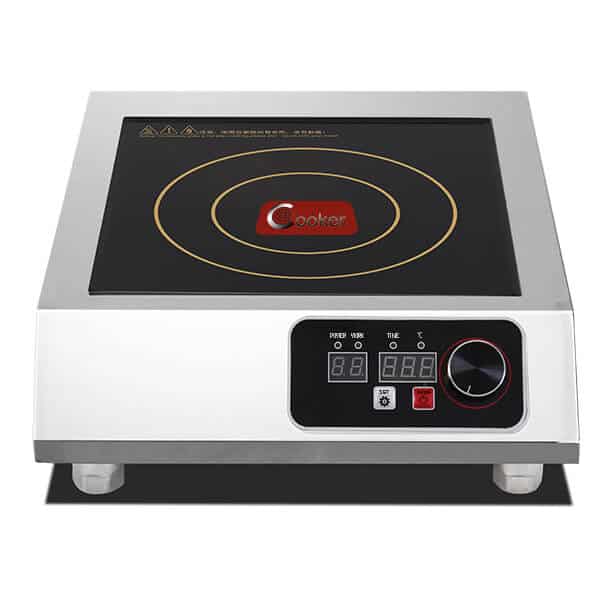
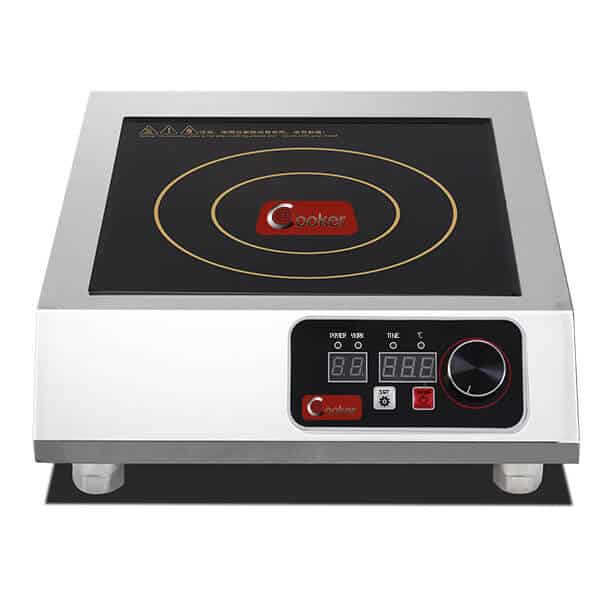
Ang unang bagay na napapansin ng karamihan sa mga kitchen operator kapag naghahambing ng mga cooktop ay ang paunang presyo. Ang induction technology ay umaasa sa mga advanced na bahagi—tulad ng high-quality IGBT modules, copper induction coils, at precise digital controls—na nagpapataas ng paunang gastos. Halimbawa, ang commercial countertop induction burner ng AT Cooker (5000W model, AT-5000) ay karaniwang nagkakahalaga mula $350 hanggang $450. Sa kabilang banda, ang isang tradisyonal na electric coil cooktop na may katulad na power output (5000W) ay nagkakahalaga sa pagitan ng $150 at $250, habang ang isang gas cooktop na may katumbas na heat output (mga 17,000 BTU) ay nasa hanay ng $200 hanggang $300.
Mahalagang tandaan, gayunpaman, na ang agwat sa paunang gastos ay madalas na sumasalamin sa mga pagkakaiba sa build quality at mga feature. Maraming budget electric o gas cooktops ang may basic analog controls, manipis na metal housings, at walang safety features (tulad ng overheat protection o automatic shutoff). Ang mga induction burner ng AT Cooker, sa kabilang banda, ay kasama ang commercial-grade components bilang standard: isang 2.5mm na makapal na stainless steel housing, digital temperature controls na may 8 power levels, at built-in overload protection. Ang mga feature na ito ay nagbabawas ng pangangailangan para sa mamahaling upgrades sa hinaharap at nagpapahaba ng lifespan ng cooktop—mga salik na nagbabalanse sa mas mataas na paunang investment.
| 炉灶类型 | Halimbawa ng Commercial Model | Saklaw ng Paunang Gastos | Mga Karaniwang Tampok | Tinatayang Lifespan |
|---|---|---|---|---|
| AT Cooker Induction Burner | AT-5000 (5000W) | $350 – $450 | Digital controls, 8 power levels, stainless steel housing, overheat protection, IPX5 water resistance | 5 – 7 years |
| Traditional Electric Coil | 5000W Commercial Coil Cooktop | $150 – $250 | Analog knobs, 2–3 power levels, thin metal housing, no safety features, no water resistance | 2 – 3 years |
| Gas Cooktop | 17,000 BTU Commercial Gas Burner | $200 – $300 | Analog knobs, 1–2 heat settings, cast iron grates, no safety shutoff, no water resistance | 3 – 4 years |
2. Operating Costs for Induction Burners Are Typically Lower Due to Higher Energy Efficiency
The most significant cost advantage of induction burners lies in their energy efficiency. Unlike electric or gas cooktops, which waste a large portion of energy as heat, induction technology uses magnetic induction to heat the cookware directly—minimizing energy loss. AT Cooker’s induction burners convert 85% to 90% of electrical energy into usable heat for cooking. In contrast, traditional electric coil cooktops only convert 50% to 60% of energy into heat (the rest is lost to the air), and gas cooktops are even less efficient, with only 40% to 45% of fuel energy translating to cooking heat.
Para poner esta eficiencia en perspectiva, calculemos los costos operativos diarios y anuales para una cocina comercial que utiliza una placa de cocina durante 8 horas al día. Utilizaremos tarifas de servicios públicos promedio: 0,15 por kilovatio-hora (kWh) para electricidad y 1,50 por termia para gas natural (1 termia = 100.000 BTU).
Quemador de Inducción (AT-5000)
85–90% de eficiencia energética
Electric Coil Cooktop
50–60% de eficiencia energética
Gas Cooktop
40–45% de eficiencia energética
3. Las Placas de Cocina de Inducción Calientan Más Rápido, Reduciendo el Tiempo de Cocción y el Consumo de Energía
Otro factor clave en la ventaja de costos de la inducción es su velocidad. Los quemadores de inducción calientan los utensilios de cocina 2 a 3 veces más rápido que las placas de cocina eléctricas o de gas, lo que significa menos tiempo de uso de la placa de cocina y facturas de energía más bajas. Esta velocidad es especialmente valiosa en entornos comerciales, donde cada minuto cuenta durante las horas pico de servicio.
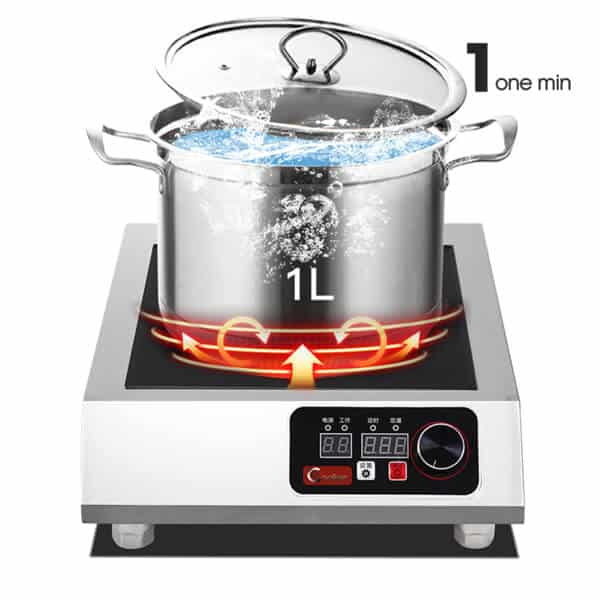
El quemador de inducción AT Cooker de 5000W puede llevar 5 litros de agua a ebullición en solo 8 minutos. En comparación, una placa de cocina eléctrica de espiral de 8000W tarda 15 minutos en hervir la misma cantidad de agua, y una placa de cocina de gas de 34.000 BTU tarda 12 minutos. Para una cocina que hierve agua 10 veces al día, la inducción ahorra de 40 a 70 minutos de tiempo de cocción al día, lo que se traduce en 40 a 70 minutos menos de uso de energía.
| Cooking Task | AT Cooker Inducción (5000W) | Espiral Eléctrica (8000W) | Gas Cooktop (34,000 BTU) | Time Saved with Induction |
|---|---|---|---|---|
| Boil 5L of Water | 8 miniti | 15 minutes | 12 miniti | 4–7 minutes |
| Sauté 1kg of Vegetables | 5 minutes | 10 minutes | 8 miniti | 3–5 minutes |
| Sear 1kg of Chicken Tenders | 3 minutes | 7 minutes | 5 minutes | 2–4 minutes |
| Cook 1kg of Rice (Simmer) | 12 miniti | 20 minutes | 18 minutes | 6–8 minutes |
4. Gas Cooktops May Have Lower Initial Prices but Higher Ongoing Fuel Costs
While gas cooktops often have lower upfront costs than induction burners, their ongoing fuel costs are subject to market volatility. Natural gas prices have fluctuated dramatically in recent years—rising by 30% in 2023 alone—and are expected to continue increasing due to global supply chain issues. This volatility makes it difficult for kitchen operators to budget for fuel costs, as a sudden price hike can add hundreds of dollars to monthly expenses.
— Jake, Owner of Miami Diner (Miami, FL)
5. Electric Cooktops Are Usually Less Expensive Initially but Less Efficient Than Induction
Electric coil cooktops have the lowest upfront cost of any commercial cooktop, but their poor energy efficiency makes them the most expensive to operate over time. As we calculated earlier, an 8000W electric coil cooktop costs $3,504 per year to operate—nearly twice as much as AT Cooker’s 5000W induction burner.
Why Induction Beats Electric Coil Cooktops Long-Term
- 70% lower operating costs: Induction’s 85–90% efficiency vs. electric coil’s 50–60% efficiency saves $1,500+ per year.
- No coil replacements: Induction has no wearable parts, eliminating $40–$200 per year in coil replacement costs.
- 2–3x faster cooking: Reduces energy use and labor time, saving $500–$1,000 per year in indirect costs.
- Precise temperature control: Cuts food waste by 10–20%, saving $600–$1,800 per year.
- Longer lifespan: Ang induction ay tumatagal ng 5–7 taon kumpara sa 2–3 taon para sa electric coil, na nagpapababa sa dalas ng pagpapalit.
6. Ang mga Commercial Induction Burner ay Maaaring Magkaroon ng Premium Pricing Dahil sa Advanced Features
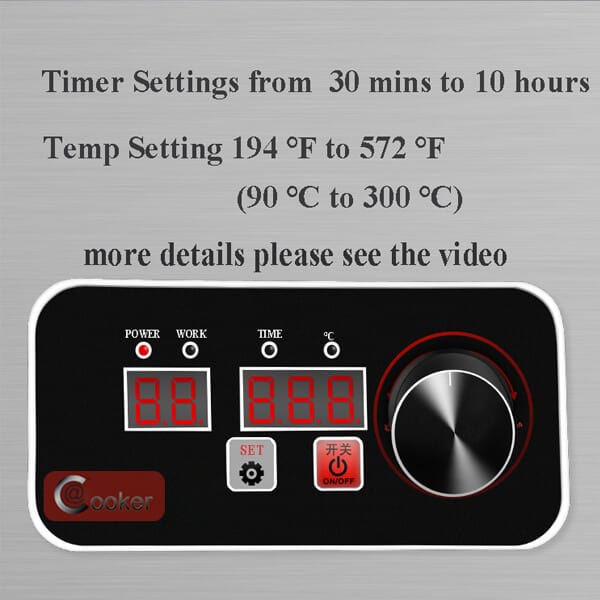
Commercial induction burners—tulad ng AT Cooker’s 5000W model—ay madalas na may premium price tag dahil kasama dito ang mga feature na partikular na idinisenyo para sa mga pangangailangan ng commercial kitchen. Ang mga feature na ito ay hindi lamang “nice-to-haves”—pinapabuti nila ang kahusayan, kaligtasan, at tibay, na ginagawang sulit na pamumuhunan ang mas mataas na paunang gastos.
7. Ang Pangmatagalang Pagtitipid sa Induction ay Nagmumula sa Nabawasang Paggamit ng Enerhiya at Pagpapanatili
Kapag sinusuri ang mga gastos sa cooktop, mahalagang tingnan ang higit pa sa paunang presyo at isaalang-alang ang kabuuang gastos ng pagmamay-ari (TCO) sa loob ng 5 taon—ang karaniwang buhay ng isang induction burner. Kasama sa TCO ang paunang gastos, mga gastos sa operasyon, mga gastos sa pagpapanatili, at mga gastos sa pagpapalit. Sa pamamagitan ng sukat na ito, ang mga induction burner ay mas cost-effective kaysa sa tradisyonal na electric o gas cooktops.
| 炉灶类型 | Paunang Gastos | 5-Taong Gastos sa Operasyon | 5-Taong Gastos sa Pagpapanatili | Gastos sa Pagpapalit (5 Taon) | Kabuuang 5-Taong TCO |
|---|---|---|---|---|---|
| AT Cooker Induction (AT-5000) | $400 | $9,636 | $200 | $0 | $10,236 |
| Espiral Eléctrica (8000W) | $250 | $17,520 | $800 | $250 | $18,820 |
| Gas Cooktop (34,000 BTU) | $300 | $7,446 | $1,500 | $300 | $9,546 |
8. Ang mga Induction Burner ay Madalas Nangangailangan ng Compatible Cookware, na Maaaring Magdagdag sa Paunang Gastos
Ang isang potensyal na karagdagang gastos sa paglipat sa induction ay ang pangangailangan para sa compatible cookware. Ang mga induction burner ay gumagana sa pamamagitan ng paglikha ng isang magnetic field na nagpapainit ng ferrous (naglalaman ng bakal) cookware—kaya ang cookware na gawa sa aluminum, tanso, o salamin (na walang magnetic base) ay hindi gagana. Kung ang iyong kusina ay kasalukuyang gumagamit ng non-magnetic cookware, kakailanganin mong mamuhunan sa mga bagong kaldero at kawali, na maaaring magdagdag ng $50 hanggang $200 sa iyong paunang gastos.
1. ချက်ပြုတ်အိုးလမ်းညွှန်- ဘာအလုပ်လုပ်သလဲ၊ ဘာအလုပ်မလုပ်လဲ
- 2. အင်ဒပ်က ၫ ၫ ၫ ၫ ၫ ၫ ၫ ၫ ၫ ၫ ၫ ၫ ၫ ၫ ၫ ၫ ၫ ၫ ၫ ၫ ၫ ၫ ၫ ၫ ၫ ၫ ၫ ၫ ၫ ၫ ၫ ၫ ၫ ၫ ၫ ၫ ၫ ၫ ၫ ၫ ၫ ၫ ၫ ၫ ၫ ၫ ၫ ၫ ၫ ၫ ၫ ၫ ၫ ၫ ၫ ၫ ၫ ၫ ၫ ၫ ၫ ၫ ၫ ၫ ၫ ၫ ၫ ၫ ၫ ၫ ၫ ၫ ၫ ၫ ၫ ၫ ၫ ၫ ၫ ၫ ၫ ၫ ၫ ၫ ၫ ၫ ၫ ၫ ၫ ၫ ၫ ၫ ၫ ၫ ၫ ၫ ၫ ၫ ၫ ၫ ၫ ၫ ၫ ၫ ၫ ၫ ၫ ၫ ၫ ၫ ၫ ၫ ၫ ၫ ၫ ၫ ၫ ၫ ၫ ၫ ၫ ၫ ၫ ၫ ၫ ၫ ၫ ၫ ၫ ၫ ၫ ၫ ၫ ၫ ၫ ၫ ၫ ၫ ၫ ၫ ၫ ၫ ၫ ၫ ၫ ၫ ၫ ၫ ၫ ၫ ၫ ၫ ၫ ၫ ၫ ၫ ၫ ၫ ၫ ၫ ၫ ၫ ၫ ၫ ၫ ၫ ၫ ၫ ၫ ၫ ၫ ၫ ၫ ၫ ၫ ၫ ၫ ၫ ၫ ၫ ၫ ၫ ၫ ၫ ၫ ၫ ၫ ၫ ၫ ၫ ၫ ၫ ၫ ၫ ၫ ၫ ၫ ၫ ၫ ၫ ၫ ၫ ၫ ၫ ၫ ၫ ၫ ၫ ၫ ၫ ၫ ၫ ၫ ၫ ၫ ၫ ၫ ၫ ၫ ၫ ၫ ၫ ၫ ၫ ၫ ၫ ၫ ၫ ၫ ၫ ၫ ၫ ၫ ၫ ၫ ၫ ၫ ၫ ၫ ၫ ၫ ၫ ၫ ၫ ၫ ၫ ၫ ၫ ၫ ၫ ၫ ၫ ၫ ၫ ၫ ၫ ၫ ၫ ၫ ၫ ၫ ၫ ၫ ၫ ၫ ၫ ၫ ၫ ၫ ၫ ၫ ၫ ၫ ၫ ၫ ၫ ၫ ၫ ၫ ၫ ၫ ၫ ၫ ၫ ၫ ၫ ၫ ၫ ၫ ၫ ၫ ၫ ၫ ၫ ၫ ၫ ၫ ၫ ၫ ၫ ၫ ၫ ၫ ၫ ၫ ၫ ၫ ၫ ၫ ၫ ၫ ၫ ၫ ၫ ၫ ၫ ၫ ၫ ၫ ၫ ၫ ၫ ၫ ၫ ၫ ၫ ၫ ၫ ၫ ၫ ၫ ၫ ၫ ၫ ၫ ၫ ၫ ၫ ၫ ၫ ၫ ၫ ၫ ၫ ၫ ၫ ၫ ၫ ၫ ၫ ၫ ၫ ၫ ၫ ၫ ၫ ၫ ၫ ၫ ၫ ၫ ၫ ၫ ၫ ၫ ၫ ၫ ၫ ၫ ၫ ၫ ၫ ၫ ၫ ၫ ၫ ၫ ၫ ၫ ၫ ၫ ၫ ၫ ၫ ၫ ၫ ၫ ၫ ၫ ၫ ၫ ၫ ၫ ၫ ၫ ၫ ၫ ၫ ၫ ၫ ၫ ၫ ၫ ၫ ၫ ၫ ၫ ၫ ၫ ၫ ၫ ၫ ၫ ၫ ၫ ၫ ၫ ၫ ၫ ၫ ၫ ၫ ၫ ၫ ၫ ၫ ၫ ၫ ၫ ၫ ၫ ၫ ၫ ၫ ၫ ၫ ၫ ၫ ၫ ၫ ၫ ၫ ၫ ၫ ၫ ၫ ၫ ၫ ၫ ၫ ၫ ၫ ၫ ၫ ၫ ၫ ၫ ၫ ၫ ၫ ၫ ၫ ၫ ၫ ၫ ၫ ၫ ၫ ၫ ၫ ၫ ၫ ၫ ၫ ၫ ၫ ၫ ၫ ၫ ၫ ၫ ၫ ၫ ၫ ၫ ၫ ၫ ၫ ၫ ၫ ၫ ၫ ၫ ၫ ၫ ၫ ၫ ၫ ၫ ၫ ၫ ၫ ၫ ၫ ၫ ၫ ၫ ၫ ၫ ၫ ၫ ၫ ၫ ၫ ၫ ၫ ၫ ၫ ၫ ၫ ၫ ၫ ၫ ၫ ၫ ၫ ၫ ၫ ၫ ၫ ၫ ၫ ၫ ၫ ၫ ၫ ၫ ၫ ၫ ၫ ၫ ၫ ၫ ၫ ၫ ၫ ၫ ၫ ၫ ၫ ၫ ၫ ၫ ၫ ၫ ၫ ၫ ၫ ၫ ၫ ၫ ၫ ၫ ၫ ၫ ၫ ၫ ၫ ၫ ၫ ၫ ၫ ၫ ၫ ၫ ၫ ၫ ၫ ၫ ၫ ၫ ၫ ၫ ၫ ၫ ၫ ၫ ၫ ၫ ၫ ၫ ၫ ၫ ၫ ၫ ၫ ၫ ၫ ၫ ၫ ၫ ၫ ၫ ၫ ၫ ၫ ၫ ၫ ၫ ၫ ၫ ၫ ၫ ၫ ၫ ၫ ၫ ၫ ၫ ၫ ၫ ၫ ၫ ၫ ၫ ၫ ၫ ၫ ၫ ၫ ၫ ၫ ၫ ၫ ၫ ၫ ၫ ၫ ၫ ၫ ၫ ၫ ၫ ၫ ၫ ၫ ၫ ၫ ၫ ၫ ၫ ၫ ၫ ၫ ၫ ၫ ၫ ၫ ၫ ၫ ၫ ၫ ၫ ၫ ၫ ၫ ၫ ၫ ၫ ၫ ၫ ၫ ၫ ၫ ၫ ၫ ၫ ၫ ၫ ၫ ၫ ၫ ၫ ၫ ၫ ၫ ၫ ၫ ၫ ၫ ၫ ၫ ၫ ၫ ၫ ၫ ၫ ၫ ၫ ၫ ၫ ၫ ၫ ၫ ၫ ၫ ၫ ၫ ၫ ၫ ၫ ၫ ၫ ၫ ၫ ၫ ၫ ၫ ၫ ၫ ၫ ၫ ၫ ၫ ၫ ၫ ၫ ၫ ၫ ၫ ၫ ၫ ၫ ၫ ၫ ၫ ၫ ၫ ၫ ၫ ၫ ၫ ၫ ၫ ၫ ၫ ၫ ၫ ၫ ၫ ၫ ၫ ၫ ၫ ၫ ၫ ၫ ၫ ၫ ၫ ၫ ၫ ၫ ၫ ၫ ၫ ၫ ၫ ၫ ၫ ၫ ၫ ၫ ၫ ၫ ၫ ၫ ၫ ၫ ၫ ၫ ၫ ၫ ၫ ၫ ၫ ၫ ၫ ၫ ၫ ၫ ၫ ၫ ၫ ၫ ၫ ၫ ၫ ၫ ၫ ၫ ၫ ၫ ၫ ၫ ၫ ၫ ၫ ၫ ၫ ၫ ၫ ၫ ၫ ၫ ၫ ၫ ၫ ၫ ၫ ၫ ၫ ၫ ၫ ၫ ၫ ၫ ၫ ၫ ၫ ၫ ၫ ၫ ၫ ၫ ၫ ၫ ၫ ၫ ၫ ၫ ၫ ၫ ၫ ၫ ၫ ၫ ၫ ၫ ၫ ၫ ၫ ၫ ၫ ၫ ၫ ၫ ၫ ၫ ၫ ၫ ၫ ၫ ၫ ၫ ၫ ၫ ၫ ၫ ၫ ၫ ၫ ၫ ၫ ၫ ၫ ၫ ၫ ၫ ၫ ၫ ၫ ၫ ၫ ၫ ၫ ၫ ၫ ၫ ၫ ၫ ၫ ၫ ၫ ၫ ၫ ၫ ၫ ၫ ၫ ၫ ၫ ၫ ၫ ၫ ၫ ၫ ၫ ၫ ၫ ၫ ၫ ၫ ၫ ၫ ၫ ၫ ၫ ၫ ၫ ၫ ၫ ၫ ၫ ၫ ၫ ၫ ၫ ၫ ၫ ၫ ၫ ၫ ၫ ၫ ၫ ၫ ၫ ၫ ၫ ၫ ၫ ၫ ၫ ၫ ၫ ၫ ၫ ၫ ၫ ၫ ၫ ၫ ၫ ၫ ၫ ၫ ၫ ၫ ၫ ၫ ၫ ၫ ၫ ၫ ၫ ၫ ၫ ၫ ၫ ၫ ၫ ၫ ၫ ၫ ၫ ၫ ၫ ၫ ၫ ၫ ၫ ၫ ၫ ၫ ၫ ၫ ၫ ၫ ၫ ၫ ၫ ၫ ၫ ၫ ၫ ၫ ၫ ၫ ၫ ၫ ၫ ၫ ၫ ၫ ၫ ၫ ၫ ၫ ၫ ၫ ၫ ၫ ၫ ၫ ၫ ၫ ၫ ၫ ၫ ၫ ၫ ၫ ၫ ၫ ၫ ၫ ၫ ၫ ၫ ၫ ၫ ၫ ၫ ၫ ၫ ၫ ၫ ၫ ၫ ၫ ၫ ၫ ၫ ၫ ၫ ၫ ၫ ၫ ၫ ၫ ၫ ၫ ၫ ၫ ၫ ၫ ၫ ၫ ၫ ၫ ၫ ၫ ၫ ၫ ၫ ၫ ၫ ၫ ၫ ၫ ၫ ၫ ၫ ၫ ၫ ၫ ၫ ၫ ၫ ၫ ၫ ၫ ၫ ၫ ၫ ၫ ၫ ၫ ၫ ၫ ၫ ၫ ၫ ၫ ၫ ၫ ၫ ၫ ၫ ၫ ၫ ၫ ၫ ၫ ၫ ၫ ၫ ၫ ၫ ၫ ၫ ၫ ၫ ၫ ၫ ၫ ၫ ၫ ၫ ၫ ၫ ၫ ၫ ၫ ၫ ၫ ၫ ၫ ၫ ၫ ၫ ၫ ၫ ၫ ၫ ၫ ၫ ၫ ၫ ၫ ၫ ၫ ၫ ၫ ၫ ၫ ၫ ၫ ၫ ၫ ၫ ၫ ၫ ၫ ၫ ၫ ၫ ၫ ၫ ၫ ၫ ၫ ၫ ၫ ၫ ၫ ၫ ၫ ၫ ၫ ၫ ၫ ၫ ၫ ၫ ၫ ၫ ၫ ၫ ၫ ၫ ၫ ၫ ၫ ၫ ၫ ၫ ၫ ၫ ၫ ၫ ၫ ၫ ၫ ၫ ၫ ၫ ၫ ၫ ၫ ၫ ၫ ၫ ၫ ၫ ၫ ၫ ၫ ၫ ၫ ၫ ၫ ၫ ၫ ၫ ၫ ၫ ၫ ၫ ၫ ၫ ၫ ၫ ၫ ၫ ၫ ၫ ၫ ၫ ၫ ၫ ၫ ၫ ၫ ၫ ၫ ၫ ၫ ၫ ၫ ၫ ၫ ၫ ၫ ၫ ၫ ၫ ၫ ၫ ၫ ၫ ၫ ၫ ၫ ၫ ၫ ၫ ၫ ၫ ၫ ၫ ၫ ၫ ၫ ၫ ၫ ၫ ၫ ၫ ၫ ၫ ၫ ၫ ၫ ၫ ၫ ၫ ၫ ၫ ၫ ၫ ၫ ၫ ၫ ၫ ၫ ၫ ၫ ၫ ၫ ၫ ၫ ၫ ၫ ၫ ၫ ၫ ၫ ၫ ၫ ၫ ၫ ၫ ၫ ၫ ၫ ၫ ၫ ၫ ၫ ၫ ၫ ၫ ၫ ၫ ၫ ၫ ၫ ၫ ၫ ၫ ၫ ၫ ၫ ၫ ၫ ၫ ၫ ၫ ၫ ၫ ၫ ၫ ၫ ၫ ၫ ၫ ၫ ၫ ၫ ၫ ၫ ၫ ၫ ၫ ၫ ၫ ၫ ၫ ၫ ၫ ၫ ၫ ၫ ၫ ၫ ၫ ၫ ၫ ၫ ၫ ၫ ၫ ၫ ၫ ၫ ၫ ၫ ၫ ၫ ၫ ၫ ၫ ၫ ၫ ၫ ၫ ၫ ၫ ၫ ၫ ၫ ၫ ၫ ၫ ၫ ၫ ၫ ၫ ၫ ၫ ၫ ၫ ၫ ၫ ၫ ၫ ၫ ၫ ၫ ၫ ၫ ၫ ၫ ၫ ၫ ၫ ၫ ၫ ၫ ၫ ၫ ၫ ၫ ၫ ၫ ၫ ၫ ၫ ၫ ၫ ၫ ၫ ၫ ၫ ၫ ၫ ၫ ၫ ၫ ၫ ၫ ၫ ၫ ၫ ၫ ၫ ၫ ၫ ၫ ၫ ၫ ၫ ၫ ၫ ၫ ၫ ၫ ၫ ၫ ၫ ၫ ၫ ၫ ၫ ၫ ၫ ၫ ၫ ၫ ၫ ၫ ၫ ၫ ၫ ၫ ၫ ၫ ၫ ၫ ၫ ၫ ၫ ၫ ၫ ၫ ၫ ၫ ၫ ၫ ၫ ၫ ၫ ၫ ၫ ၫ ၫ ၫ ၫ ၫ ၫ ၫ ၫ ၫ ၫ ၫ ၫ ၫ ၫ ၫ ၫ ၫ ၫ ၫ ၫ ၫ ၫ ၫ ၫ ၫ ၫ ၫ ၫ ၫ ၫ ၫ ၫ ၫ ၫ ၫ ၫ ၫ ၫ ၫ ၫ ၫ ၫ ၫ ၫ ၫ ၫ ၫ ၫ ၫ ၫ ၫ ၫ ၫ ၫ ၫ ၫ ၫ ၫ ၫ ၫ ၫ ၫ ၫ ၫ ၫ ၫ ၫ ၫ ၫ ၫ ၫ ၫ ၫ ၫ ၫ ၫ ၫ ၫ ၫ ၫ ၫ ၫ ၫ ၫ ၫ ၫ ၫ ၫ ၫ ၫ ၫ ၫ ၫ ၫ ၫ ၫ ၫ ၫ ၫ ၫ ၫ ၫ ၫ ၫ ၫ ၫ ၫ ၫ ၫ ၫ ၫ ၫ ၫ ၫ ၫ ၫ ၫ ၫ ၫ ၫ ၫ ၫ ၫ ၫ ၫ ၫ ၫ ၫ ၫ ၫ ၫ ၫ ၫ ၫ ၫ ၫ ၫ ၫ ၫ ၫ ၫ ၫ ၫ ၫ ၫ ၫ ၫ ၫ ၫ ၫ ၫ ၫ ၫ ၫ ၫ ၫ ၫ ၫ ၫ ၫ ၫ ၫ ၫ ၫ ၫ ၫ ၫ ၫ ၫ ၫ ၫ ၫ ၫ ၫ ၫ ၫ ၫ ၫ ၫ ၫ ၫ ၫ ၫ ၫ ၫ ၫ ၫ ၫ ၫ ၫ ၫ ၫ ၫ ၫ ၫ ၫ ၫ ၫ ၫ ၫ ၫ ၫ ၫ ၫ ၫ ၫ ၫ ၫ ၫ ၫ ၫ ၫ ၫ ၫ ၫ ၫ ၫ ၫ ၫ ၫ ၫ ၫ ၫ ၫ ၫ ၫ ၫ ၫ ၫ ၫ ၫ ၫ ၫ ၫ ၫ ၫ ၫ ၫ ၫ ၫ ၫ ၫ ၫ ၫ ၫ ၫ ၫ ၫ ၫ ၫ ၫ ၫ ၫ ၫ ၫ ၫ ၫ ၫ ၫ ၫ ၫ ၫ ၫ ၫ ၫ ၫ ၫ ၫ ၫ ၫ ၫ ၫ ၫ ၫ ၫ ၫ ၫ ၫ ၫ ၫ ၫ ၫ ၫ ၫ ၫ ၫ ၫ ၫ ၫ ၫ ၫ ၫ ၫ ၫ ၫ ၫ ၫ ၫ ၫ ၫ ၫ ၫ ၫ ၫ ၫ ၫ ၫ ၫ ၫ ၫ ၫ ၫ ၫ ၫ ၫ ၫ ၫ ၫ ၫ ၫ ၫ ၫ ၫ ၫ ၫ ၫ ၫ ၫ ၫ ၫ ၫ ၫ ၫ ၫ ၫ ၫ ၫ ၫ ၫ ၫ ၫ ၫ ၫ ၫ ၫ ၫ ၫ ၫ ၫ ၫ ၫ ၫ ၫ ၫ ၫ ၫ ၫ ၫ ၫ ၫ ၫ ၫ ၫ ၫ ၫ ၫ ၫ ၫ ၫ ၫ ၫ ၫ ၫ ၫ ၫ ၫ ၫ ၫ ၫ ၫ ၫ ၫ ၫ ၫ ၫ ၫ ၫ ၫ ၫ ၫ ၫ ၫ ၫ ၫ ၫ ၫ ၫ ၫ ၫ ၫ ၫ ၫ ၫ ၫ ၫ ၫ ၫ ၫ ၫ ၫ ၫ ၫ ၫ ၫ ၫ ၫ ၫ ၫ ၫ ၫ ၫ ၫ ၫ ၫ ၫ ၫ ၫ ၫ ၫ ၫ ၫ ၫ ၫ ၫ ၫ ၫ ၫ ၫ ၫ ၫ ၫ ၫ ၫ ၫ ၫ ၫ ၫ ၫ ၫ ၫ ၫ ၫ ၫ ၫ ၫ ၫ ၫ ၫ ၫ ၫ ၫ ၫ ၫ ၫ ၫ ၫ ၫ ၫ ၫ ၫ ၫ ၫ ၫ ၫ ၫ ၫ ၫ ၫ ၫ ၫ ၫ ၫ ၫ ၫ ၫ ၫ ၫ ၫ ၫ ၫ ၫ ၫ ၫ ၫ ၫ ၫ ၫ ၫ ၫ ၫ ၫ ၫ ၫ ၫ ၫ ၫ ၫ ၫ ၫ ၫ ၫ ၫ ၫ ၫ ၫ ၫ ၫ ၫ ၫ ၫ ၫ ၫ ၫ ၫ ၫ ၫ ၫ ၫ ၫ ၫ ၫ ၫ ၫ ၫ ၫ ၫ ၫ ၫ ၫ ၫ ၫ ၫ ၫ ၫ ၫ ၫ ၫ ၫ ၫ ၫ ၫ ၫ ၫ ၫ ၫ ၫ ၫ ၫ ၫ ၫ ၫ ၫ ၫ ၫ ၫ ၫ ၫ ၫ ၫ ၫ ၫ ၫ ၫ ၫ ၫ ၫ ၫ ၫ ၫ ၫ ၫ ၫ ၫ ၫ ၫ ၫ ၫ ၫ ၫ ၫ ၫ ၫ ၫ ၫ ၫ ၫ ၫ ၫ ၫ ၫ ၫ ၫ ၫ ၫ ၫ ၫ ၫ ၫ ၫ ၫ ၫ ၫ ၫ ၫ ၫ ၫ ၫ ၫ ၫ ၫ ၫ ၫ ၫ ၫ ၫ ၫ ၫ ၫ ၫ ၫ ၫ ၫ ၫ ၫ ၫ ၫ ၫ ၫ ၫ ၫ ၫ ၫ ၫ ၫ ၫ ၫ ၫ ၫ ၫ ၫ ၫ ၫ ၫ ၫ ၫ ၫ ၫ ၫ ၫ ၫ ၫ ၫ ၫ ၫ ၫ ၫ ၫ ၫ ၫ ၫ ၫ ၫ ၫ ၫ ၫ ၫ ၫ ၫ ၫ ၫ ၫ ၫ ၫ ၫ ၫ ၫ ၫ ၫ ၫ ၫ ၫ ၫ ၫ ၫ ၫ ၫ ၫ ၫ ၫ ၫ ၫ ၫ ၫ ၫ ၫ ၫ ၫ ၫ ၫ ၫ ၫ ၫ ၫ ၫ ၫ ၫ ၫ ၫ ၫ ၫ ၫ ၫ ၫ ၫ ၫ ၫ ၫ ၫ ၫ ၫ ၫ ၫ ၫ ၫ ၫ ၫ ၫ ၫ ၫ ၫ ၫ ၫ ၫ ၫ ၫ ၫ ၫ ၫ ၫ ၫ ၫ ၫ ၫ ၫ ၫ ၫ ၫ ၫ ၫ ၫ ၫ ၫ ၫ ၫ ၫ ၫ ၫ ၫ ၫ ၫ ၫ ၫ ၫ ၫ ၫ ၫ ၫ ၫ ၫ ၫ ၫ ၫ ၫ ၫ ၫ ၫ ၫ ၫ ၫ ၫ ၫ ၫ ၫ ၫ ၫ ၫ ၫ ၫ ၫ ၫ ၫ ၫ ၫ ၫ ၫ ၫ ၫ ၫ ၫ ၫ ၫ ၫ ၫ ၫ ၫ ၫ ၫ ၫ ၫ ၫ ၫ ၫ ၫ ၫ ၫ ၫ ၫ ၫ ၫ ၫ ၫ ၫ ၫ ၫ ၫ ၫ ၫ ၫ ၫ ၫ ၫ ၫ ၫ ၫ ၫ ၫ ၫ ၫ ၫ ၫ ၫ ၫ ၫ ၫ ၫ ၫ ၫ ၫ ၫ ၫ ၫ ၫ ၫ ၫ ၫ ၫ ၫ ၫ ၫ ၫ ၫ ၫ ၫ ၫ ၫ ၫ ၫ ၫ ၫ ၫ ၫ ၫ ၫ ၫ ၫ ၫ ၫ ၫ ၫ ၫ ၫ ၫ ၫ ၫ ၫ ၫ ၫ ၫ ၫ ၫ ၫ ၫ ၫ ၫ ၫ ၫ ၫ ၫ ၫ ၫ ၫ ၫ ၫ ၫ ၫ ၫ ၫ ၫ ၫ ၫ ၫ ၫ ၫ ၫ ၫ ၫ ၫ ၫ ၫ ၫ ၫ ၫ ၫ ၫ ၫ ၫ ၫ ၫ ၫ ၫ ၫ ၫ ၫ ၫ ၫ ၫ ၫ ၫ ၫ ၫ ၫ ၫ ၫ ၫ ၫ ၫ ၫ ၫ ၫ ၫ ၫ ၫ ၫ ၫ ၫ ၫ ၫ ၫ ၫ ၫ ၫ ၫ ၫ ၫ ၫ ၫ ၫ ၫ ၫ ၫ ၫ ၫ ၫ ၫ ၫ ၫ ၫ ၫ ၫ ၫ ၫ ၫ ၫ ၫ ၫ ၫ ၫ ၫ ၫ ၫ ၫ ၫ ၫ ၫ ၫ ၫ ၫ ၫ ၫ ၫ ၫ ၫ ၫ ၫ ၫ ၫ ၫ ၫ ၫ ၫ ၫ ၫ ၫ ၫ ၫ ၫ ၫ ၫ ၫ ၫ ၫ ၫ ၫ ၫ ၫ ၫ ၫ ၫ ၫ ၫ ၫ ၫ ၫ ၫ ၫ ၫ ၫ ၫ ၫ ၫ ၫ ၫ ၫ ၫ ၫ ၫ ၫ ၫ ၫ ၫ ၫ ၫ ၫ ၫ ၫ ၫ ၫ ၫ ၫ ၫ ၫ ၫ ၫ ၫ ၫ ၫ ၫ ၫ ၫ ၫ ၫ ၫ ၫ ၫ ၫ ၫ ၫ ၫ ၫ ၫ ၫ ၫ ၫ ၫ ၫ ၫ ၫ ၫ ၫ ၫ ၫ ၫ ၫ ၫ ၫ ၫ ၫ ၫ ၫ ၫ ၫ ၫ ၫ ၫ ၫ ၫ ၫ ၫ ၫ ၫ ၫ ၫ ၫ ၫ ၫ ၫ ၫ ၫ ၫ ၫ ၫ ၫ ၫ ၫ ၫ ၫ ၫ ၫ ၫ ၫ ၫ ၫ ၫ ၫ ၫ ၫ ၫ ၫ ၫ ၫ ၫ ၫ ၫ ၫ ၫ ၫ ၫ ၫ ၫ ၫ ၫ ၫ ၫ ၫ ၫ ၫ ၫ ၫ ၫ ၫ ၫ ၫ ၫ ၫ ၫ ၫ ၫ ၫ ၫ ၫ ၫ ၫ ၫ ၫ ၫ ၫ ၫ ၫ ၫ ၫ ၫ ၫ ၫ ၫ ၫ ၫ ၫ ၫ ၫ ၫ ၫ ၫ ၫ ၫ ၫ ၫ ၫ ၫ ၫ ၫ ၫ ၫ ၫ ၫ ၫ ၫ ၫ ၫ ၫ ၫ ၫ ၫ ၫ ၫ ၫ ၫ ၫ ၫ ၫ ၫ ၫ ၫ ၫ ၫ ၫ ၫ ၫ ၫ ၫ ၫ ၫ ၫ ၫ ၫ ၫ ၫ ၫ ၫ ၫ ၫ ၫ ၫ ၫ ၫ ၫ ၫ ၫ ၫ ၫ ၫ ၫ ၫ ၫ ၫ ၫ ၫ ၫ ၫ ၫ ၫ ၫ ၫ ၫ ၫ ၫ ၫ ၫ ၫ ၫ ၫ ၫ ၫ ၫ ၫ ၫ ၫ ၫ ၫ ၫ ၫ ၫ ၫ ၫ ၫ ၫ ၫ ၫ ၫ ၫ ၫ ၫ ၫ ၫ ၫ ၫ ၫ ၫ ၫ ၫ ၫ ၫ ၫ ၫ ၫ ၫ ၫ ၫ ၫ ၫ ၫ ၫ ၫ ၫ ၫ ၫ ၫ ၫ ၫ ၫ ၫ ၫ ၫ ၫ ၫ ၫ ၫ ၫ ၫ ၫ ၫ ၫ ၫ ၫ ၫ ၫ ၫ ၫ ၫ ၫ ၫ ၫ ၫ ၫ ၫ ၫ ၫ ၫ ၫ ၫ ၫ ၫ ၫ ၫ ၫ ၫ ၫ ၫ ၫ ၫ ၫ ၫ ၫ ၫ ၫ ၫ ၫ ၫ ၫ ၫ ၫ ၫ ၫ ၫ ၫ ၫ ၫ ၫ ၫ ၫ ၫ ၫ ၫ ၫ ၫ ၫ ၫ ၫ ၫ ၫ ၫ ၫ ၫ ၫ ၫ ၫ ၫ ၫ ၫ ၫ ၫ ၫ ၫ ၫ ၫ ၫ ၫ ၫ ၫ ၫ ၫ ၫ ၫ ၫ ၫ ၫ ၫ ၫ ၫ ၫ ၫ ၫ ၫ ၫ ၫ ၫ ၫ ၫ ၫ ၫ ၫ ၫ ၫ ၫ ၫ ၫ ၫ ၫ ၫ ၫ ၫ ၫ ၫ ၫ ၫ ၫ ၫ ၫ ၫ ၫ ၫ ၫ ၫ ၫ ၫ ၫ ၫ ၫ ၫ ၫ ၫ ၫ ၫ ၫ ၫ ၫ ၫ ၫ ၫ ၫ ၫ ၫ ၫ ၫ ၫ ၫ ၫ ၫ ၫ ၫ ၫ ၫ ၫ ၫ ၫ ၫ ၫ ၫ ၫ ၫ ၫ ၫ ၫ ၫ ၫ ၫ ၫ ၫ ၫ ၫ ၫ ၫ ၫ ၫ ၫ ၫ ၫ ၫ ၫ ၫ ၫ ၫ ၫ ၫ ၫ ၫ ၫ ၫ ၫ ၫ ၫ ၫ ၫ ၫ ၫ ၫ ၫ ၫ ၫ ၫ ၫ ၫ ၫ ၫ ၫ ၫ ၫ ၫ ၫ ၫ ၫ ၫ ၫ ၫ ၫ ၫ ၫ ၫ ၫ ၫ ၫ ၫ ၫ ၫ ၫ ၫ ၫ ၫ ၫ ၫ ၫ ၫ ၫ ၫ ၫ ၫ ၫ ၫ ၫ ၫ ၫ ၫ ၫ ၫ ၫ ၫ ၫ ၫ ၫ ၫ ၫ ၫ ၫ ၫ ၫ ၫ ၫ ၫ ၫ ၫ ၫ ၫ ၫ ၫ ၫ ၫ ၫ ၫ ၫ ၫ ၫ ၫ ၫ ၫ ၫ ၫ ၫ ၫ ၫ ၫ ၫ ၫ ၫ ၫ ၫ ၫ ၫ ၫ ၫ ၫ ၫ ၫ ၫ ၫ ၫ ၫ ၫ ၫ ၫ ၫ ၫ ၫ ၫ ၫ ၫ ၫ ၫ ၫ ၫ ၫ ၫ ၫ ၫ ၫ ၫ ၫ ၫ ၫ ၫ ၫ ၫ ၫ ၫ ၫ ၫ ၫ ၫ ၫ ၫ ၫ ၫ ၫ ၫ ၫ ၫ ၫ ၫ ၫ ၫ ၫ ၫ ၫ ၫ ၫ ၫ ၫ ၫ ၫ ၫ ၫ ၫ ၫ ၫ ၫ ၫ ၫ ၫ ၫ ၫ ၫ ၫ ၫ ၫ ၫ ၫ ၫ ၫ ၫ ၫ ၫ ၫ ၫ ၫ ၫ ၫ ၫ ၫ ၫ ၫ ၫ ၫ ၫ ၫ ၫ ၫ ၫ ၫ ၫ ၫ ၫ ၫ ၫ ၫ ၫ ၫ ၫ ၫ ၫ ၫ ၫ ၫ ၫ ၫ ၫ ၫ ၫ ၫ ၫ ၫ ၫ ၫ ၫ ၫ ၫ ၫ ၫ ၫ ၫ ၫ ၫ ၫ ၫ ၫ ၫ ၫ ၫ ၫ ၫ ၫ ၫ ၫ ၫ ၫ ၫ ၫ ၫ ၫ ၫ ၫ ၫ ၫ ၫ ၫ ၫ ၫ ၫ ၫ ၫ ၫ ၫ ၫ ၫ ၫ ၫ ၫ ၫ ၫ ၫ ၫ ၫ ၫ ၫ ၫ ၫ ၫ ၫ ၫ ၫ ၫ ၫ ၫ ၫ ၫ ၫ ၫ ၫ ၫ ၫ ၫ ၫ ၫ ၫ ၫ ၫ ၫ ၫ ၫ ၫ ၫ ၫ ၫ ၫ ၫ ၫ ၫ ၫ ၫ ၫ ၫ ၫ ၫ ၫ ၫ ၫ ၫ ၫ ၫ ၫ ၫ ၫ ၫ ၫ ၫ ၫ ၫ ၫ ၫ ၫ ၫ ၫ ၫ ၫ ၫ ၫ ၫ ၫ ၫ ၫ ၫ ၫ ၫ ၫ ၫ ၫ ၫ ၫ ၫ ၫ ၫ ၫ ၫ ၫ ၫ ၫ ၫ ၫ ၫ ၫ ၫ ၫ ၫ ၫ ၫ ၫ ၫ ၫ ၫ ၫ ၫ ၫ ၫ ၫ ၫ ၫ ၫ ၫ ၫ ၫ ၫ ၫ ၫ ၫ ၫ ၫ ၫ ၫ ၫ ၫ ၫ ၫ ၫ ၫ ၫ ၫ ၫ ၫ ၫ ၫ ၫ ၫ ၫ ၫ ၫ ၫ ၫ ၫ ၫ ၫ ၫ ၫ ၫ ၫ ၫ ၫ ၫ ၫ ၫ ၫ ၫ ၫ ၫ ၫ ၫ ၫ ၫ ၫ ၫ ၫ ၫ ၫ ၫ ၫ ၫ ၫ ၫ ၫ ၫ ၫ ၫ ၫ ၫ ၫ ၫ ၫ ၫ ၫ ၫ ၫ ၫ ၫ ၫ ၫ ၫ ၫ ၫ ၫ ၫ ၫ ၫ ၫ ၫ ၫ ၫ ၫ ၫ ၫ ၫ ၫ ၫ ၫ ၫ ၫ ၫ ၫ ၫ ၫ ၫ ၫ ၫ ၫ ၫ ၫ ၫ ၫ ၫ ၫ ၫ ၫ ၫ ၫ ၫ ၫ ၫ ၫ ၫ ၫ ၫ ၫ ၫ ၫ ၫ ၫ ၫ ၫ ၫ ၫ ၫ ၫ ၫ ၫ ၫ ၫ ၫ ၫ ၫ ၫ ၫ ၫ ၫ ၫ ၫ ၫ ၫ ၫ ၫ ၫ ၫ ၫ ၫ ၫ ၫ ၫ ၫ ၫ ၫ ၫ ၫ ၫ ၫ ၫ ၫ ၫ ၫ ၫ ၫ ၫ ၫ ၫ ၫ ၫ ၫ ၫ ၫ ၫ ၫ ၫ ၫ ၫ ၫ ၫ ၫ ၫ ၫ ၫ ၫ ၫ ၫ ၫ ၫ ၫ ၫ ၫ ၫ ၫ ၫ ၫ ၫ ၫ ၫ ၫ ၫ ၫ ၫ ၫ ၫ ၫ ၫ ၫ ၫ ၫ ၫ ၫ ၫ ၫ ၫ ၫ ၫ ၫ ၫ ၫ ၫ ၫ ၫ ၫ ၫ ၫ ၫ ၫ ၫ ၫ ၫ ၫ ၫ ၫ ၫ ၫ ၫ ၫ ၫ ၫ ၫ ၫ ၫ ၫ ၫ ၫ ၫ ၫ ၫ ၫ ၫ ၫ ၫ ၫ ၫ ၫ ၫ ၫ ၫ ၫ ၫ ၫ ၫ ၫ ၫ ၫ ၫ ၫ ၫ ၫ ၫ ၫ ၫ ၫ ၫ ၫ ၫ ၫ ၫ ၫ ၫ ၫ ၫ ၫ ၫ ၫ ၫ ၫ ၫ ၫ ၫ ၫ ၫ ၫ ၫ ၫ ၫ ၫ ၫ ၫ ၫ ၫ ၫ ၫ ၫ ၫ ၫ ၫ ၫ ၫ ၫ ၫ ၫ ၫ ၫ ၫ ၫ ၫ ၫ ၫ ၫ ၫ ၫ ၫ ၫ ၫ ၫ ၫ ၫ ၫ ၫ ၫ ၫ ၫ ၫ ၫ ၫ ၫ ၫ ၫ ၫ ၫ ၫ ၫ ၫ ၫ ၫ ၫ ၫ ၫ ၫ ၫ ၫ ၫ ၫ ၫ ၫ ၫ ၫ ၫ ၫ ၫ ၫ ၫ ၫ ၫ ၫ ၫ ၫ ၫ ၫ ၫ ၫ ၫ ၫ ၫ ၫ ၫ ၫ ၫ ၫ ၫ ၫ ၫ ၫ ၫ ၫ ၫ ၫ ၫ ၫ ၫ ၫ ၫ ၫ ၫ ၫ ၫ ၫ ၫ ၫ ၫ ၫ ၫ ၫ ၫ ၫ ၫ ၫ ၫ ၫ ၫ ၫ ၫ ၫ ၫ ၫ ၫ ၫ ၫ ၫ ၫ ၫ ၫ ၫ ၫ ၫ ၫ ၫ ၫ ၫ ၫ ၫ ၫ ၫ ၫ ၫ ၫ ၫ ၫ ၫ ၫ ၫ ၫ ၫ ၫ ၫ ၫ ၫ ၫ ၫ ၫ ၫ ၫ ၫ ၫ ၫ ၫ ၫ ၫ ၫ ၫ ၫ ၫ ၫ ၫ ၫ ၫ ၫ ၫ ၫ ၫ ၫ ၫ ၫ ၫ ၫ ၫ ၫ ၫ ၫ ၫ ၫ ၫ ၫ ၫ ၫ ၫ ၫ ၫ ၫ ၫ ၫ ၫ ၫ ၫ ၫ ၫ ၫ ၫ ၫ ၫ ၫ ၫ ၫ ၫ ၫ ၫ ၫ ၫ ၫ ၫ ၫ ၫ ၫ ၫ ၫ ၫ ၫ ၫ ၫ ၫ ၫ ၫ ၫ ၫ ၫ ၫ ၫ ၫ ၫ ၫ ၫ ၫ ၫ ၫ ၫ ၫ ၫ ၫ ၫ ၫ ၫ ၫ ၫ ၫ ၫ ၫ ၫ ၫ ၫ ၫ ၫ ၫ ၫ ၫ ၫ ၫ ၫ ၫ ၫ ၫ ၫ ၫ ၫ ၫ ၫ ၫ ၫ ၫ ၫ ၫ ၫ ၫ ၫ ၫ ၫ ၫ ၫ ၫ ၫ ၫ ၫ ၫ ၫ ၫ ၫ ၫ ၫ ၫ ၫ ၫ ၫ ၫ ၫ ၫ ၫ ၫ ၫ ၫ ၫ ၫ ၫ ၫ ၫ ၫ ၫ ၫ ၫ ၫ ၫ ၫ ၫ ၫ ၫ ၫ ၫ ၫ ၫ ၫ ၫ ၫ ၫ ၫ ၫ ၫ ၫ ၫ ၫ ၫ ၫ ၫ ၫ ၫ ၫ ၫ ၫ ၫ ၫ ၫ ၫ ၫ ၫ ၫ ၫ ၫ ၫ ၫ ၫ ၫ ၫ ၫ ၫ ၫ ၫ ၫ ၫ ၫ ၫ ၫ ၫ ၫ ၫ ၫ ၫ ၫ ၫ ၫ ၫ ၫ ၫ ၫ ၫ ၫ ၫ ၫ ၫ ၫ ၫ ၫ ၫ ၫ ၫ ၫ ၫ ၫ ၫ ၫ ၫ ၫ ၫ ၫ
- Cast iron cookware (all types)
- Stainless steel cookware with magnetic base (304, 430, 443 grades)
- Enameled cast iron (if the base is magnetic)
- Carbon steel cookware
- Does Not Work with Induction:
- Aluminum cookware (without a magnetic base)
- Copper cookware (without a magnetic base)
- Glass or ceramic cookware (unless specially designed for induction)
- Non-stick cookware with aluminum or copper cores (without magnetic bases)
9. Gas Cooktops May Incur Additional Installation Costs for Gas Lines and Ventilation
One of the most overlooked costs of gas cooktops is installation. Unlike induction or electric cooktops, which only require a standard electrical outlet (240V for commercial models), gas cooktops need professional gas line installation and ventilation—expenses that can add $1,300 to $2,800 to your initial investment.
Induction Installation
240V outlet (one-time)
Gas Installation
Gas line + vent hood
Electric Coil Installation
240V outlet (one-time)
10. Induction Cooktops Have Fewer Parts Subject to Wear, Lowering Repair Costs
Induction burners have far fewer moving parts than gas or electric cooktops, which means they require less maintenance and have lower repair costs. A typical induction burner has only three main components: the IGBT module, the copper induction coil, and the digital control panel. None of these components have moving parts, so they’re less prone to wear and tear.
11. Electric and Gas Cooktops Can Have Higher Heat Loss, Increasing Energy Bills
Electric and gas cooktops lose a significant amount of heat to the surrounding air—heat that doesn’t contribute to cooking but still adds to your energy bills. This heat loss also increases the temperature in your kitchen, forcing your air conditioning system to work harder to keep the space cool. Over time, this can add $100 to $300 per year to your cooling costs.
12. Some Induction Models Offer Precise Temperature Control, Potentially Reducing Food Waste
Precise temperature control is one of the most valuable features of induction burners—especially for commercial kitchens, where consistency is key. AT Cooker’s induction burners offer temperature control with ±1°F precision, allowing staff to set exact temperatures for different cooking tasks. This level of control is impossible with gas or electric coil cooktops, which often have temperature variations of ±10°F or more.
13. Overall, Induction Burners Balance Higher Initial Investment with Cost Savings Over Time
When evaluating the cost of induction burners vs. traditional electric or gas cooktops, it’s clear that induction offers the best long-term value for commercial kitchens. While induction burners have a higher upfront cost, their superior energy efficiency, lower maintenance needs, and reduced installation expenses make them a more cost-effective choice over 5 years.
ချက်ပြုတ်ခန်းအတွက် စိတ်ကြိုက် ကုန်ကျစရိတ် ခွဲခြမ်းစိတ်ဖြာမှု ရယူပါ။
သင့် နေ့စဉ် ချက်ပြုတ်ရန် လိုအပ်ချက်များကို ကျွန်ုပ်တို့အား ပြောပြပါ၊ ထို့နောက် induction မီးဖိုများဖြင့် သင်မည်မျှ သက်သာနိုင်မည်ကို ကျွန်ုပ်တို့ တွက်ချက်ပေးပါမည်။.