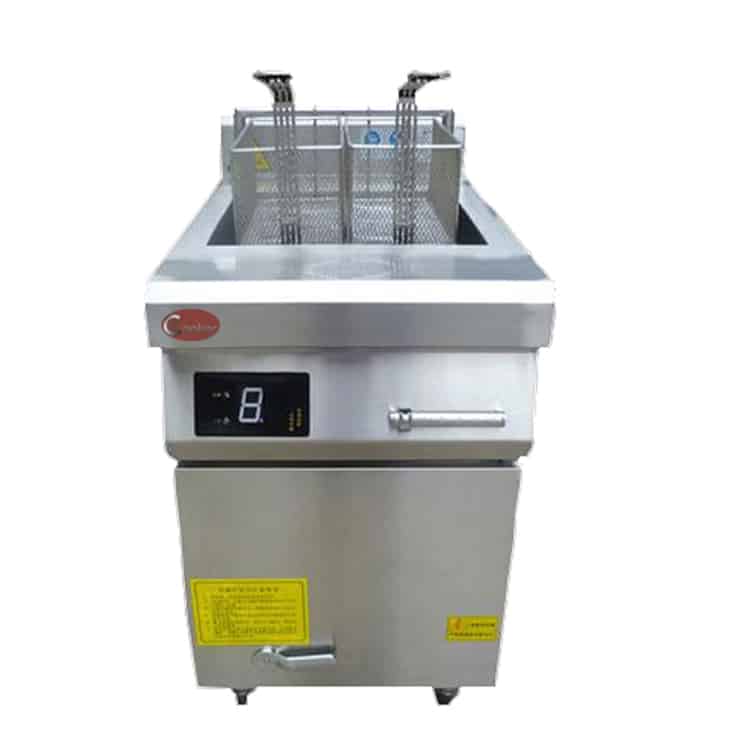
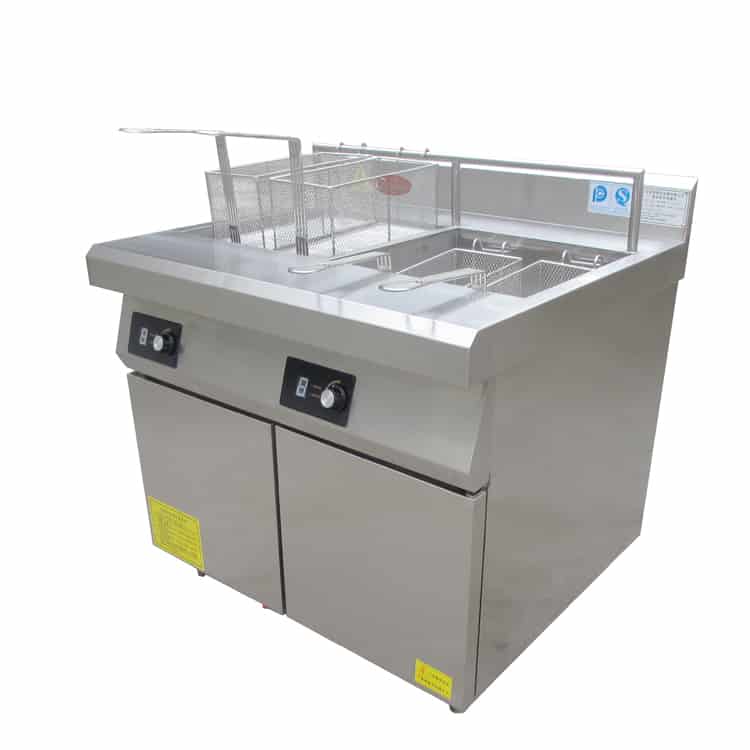
ତେଲର କ୍ଷମତା କେତେ ଏବଂ ଏହାର ତେଲ ବ୍ୟବହାର ହାର କେତେ?
ବାଣିଜ୍ୟିକ ରୋଷେଇ ଘର ପାଇଁ - ଫାଷ୍ଟ-ଫୁଡ୍ ଚେନ୍ ଠାରୁ ଆରମ୍ଭ କରି ଉଚ୍ଚମାନର ରେଷ୍ଟୁରାଣ୍ଟ ପର୍ଯ୍ୟନ୍ତ, ବାଣିଜ୍ୟିକ ଫ୍ରାଏର୍’ର ତେଲ କ୍ଷମତା ଏବଂ ବ୍ୟବହାର ହାର ଖର୍ଚ୍ଚ ନିୟନ୍ତ୍ରଣ, ଖାଦ୍ୟର ଗୁଣବତ୍ତା ନିଶ୍ଚିତ କରିବା ଏବଂ କାର୍ଯ୍ୟକାରୀତାକୁ ସୁଗମ କରିବା ପାଇଁ ଗୁରୁତ୍ୱପୂର୍ଣ୍ଣ ଅଟେ | ଫ୍ରାଏର୍-ନିର୍ଭରଶୀଳ ବ୍ୟବସାୟ ପାଇଁ ତେଲ ହେଉଛି ଏକ ପ୍ରମୁଖ ଆବର୍ତ୍ତନ ଖର୍ଚ୍ଚ, ତେଣୁ ଫ୍ରାଏର୍ ର ତେଲ ଧାରଣ କ୍ଷମତାକୁ ଆପଣଙ୍କ ଦୈନିକ ଉତ୍ପାଦନ ସହିତ ମେଳ କରିବା ଏବଂ ରକ୍ଷଣାବେକ୍ଷଣ କିମ୍ବା ପ୍ରଯୁକ୍ତିବିଦ୍ୟା ମାଧ୍ୟମରେ ବ୍ୟବହାରକୁ ଅପ୍ଟିମାଇଜ୍ କରିବା ବାର୍ଷିକ ହଜାର ହଜାର ଟଙ୍କା ସଞ୍ଚୟ କରିପାରିବ |.
AT Cooker, a leading manufacturer of ବାଣିଜ୍ୟିକ ଇଣ୍ଡକ୍ସନ୍ ଡିପ୍ ଫ୍ରାଏର୍, 10L (8.5 lbs) ରୁ 80L (68 lbs) ପର୍ଯ୍ୟନ୍ତ ତେଲ କ୍ଷମତା ସହିତ ମଡେଲ୍ ପ୍ରଦାନ କରେ, ପ୍ରତ୍ୟେକ କ୍ଷମତା ଏବଂ ପରିମାଣକୁ ସନ୍ତୁଳିତ କରିବା ପାଇଁ ଇଞ୍ଜିନିୟରିଂ କରାଯାଇଛି | ତଳେ, ଆମେ ଫ୍ରାଏର୍ ର ପ୍ରକାର (କାଉଣ୍ଟରଟପ୍, ଫ୍ରିଷ୍ଟାଣ୍ଡିଙ୍ଗ୍, ବୃହତ୍-ସ୍ତରୀୟ) ଅନୁଯାୟୀ ତେଲ ଧାରଣ କ୍ଷମତାକୁ ବିଭାଜିତ କରିଛୁ, ତେଲ ବ୍ୟବହାର ହାରକୁ ପ୍ରଭାବିତ କରୁଥିବା ମୁଖ୍ୟ କାରଣଗୁଡ଼ିକୁ ବୁଝାଇଛୁ, ଏବଂ ଆପଣଙ୍କୁ ସୂଚିତ ନିଷ୍ପତ୍ତି ନେବାକୁ ସାହାଯ୍ୟ କରିବା ପାଇଁ AT Cooker ର ଉତ୍ପାଦଗୁଡ଼ିକରୁ ତଥ୍ୟ ବାଣ୍ଟିଛୁ | ଆପଣ ଏକ କାଉଣ୍ଟରଟପ୍ ଡିପ୍ ଫ୍ରାଏର୍ ଏକ କାଫେ ପାଇଁ କିମ୍ବା ଏକ ବୃହତ୍ ଡିପ୍ ଫ୍ରାଏର୍ ଏକ ଷ୍ଟାଡିୟମ୍ କନସେସନ୍ ଷ୍ଟାଣ୍ଡ ପାଇଁ ମୂଲ୍ୟାଙ୍କନ କରୁଥିଲେ ମଧ୍ୟ, ଏହି ଗାଇଡ୍ ସମସ୍ତ ଗୁରୁତ୍ୱପୂର୍ଣ୍ଣ ବିବରଣୀକୁ ଅନ୍ତର୍ଭୁକ୍ତ କରେ |.
ପ୍ରଥମେ, ତେଲ କ୍ଷମତା ପରିବର୍ତ୍ତନକୁ ଧ୍ୟାନ ଦେବା ଗୁରୁତ୍ୱପୂର୍ଣ୍ଣ: 1 ଲିଟର (L) ଫ୍ରାଏଙ୍ଗ୍ ତେଲର ଓଜନ ପ୍ରାୟ 0.85–0.92 ପାଉଣ୍ଡ (lbs) ହୋଇଥାଏ, ତେଲର ପ୍ରକାର ଉପରେ ନିର୍ଭର କରେ (ଯେପରିକି, ତୈଳ ବନାମ ଚିନାବାଦାମ ତେଲ) | ଆମେ ବିଶ୍ୱ ରୋଷେଇ ଘର ମାନକ ସହିତ ସମାନ କରିବା ପାଇଁ ମେଟ୍ରିକ୍ (L) ଏବଂ ଇମ୍ପେରିଆଲ୍ (lbs) ଉଭୟ ୟୁନିଟ୍ ଉଲ୍ଲେଖ କରିବୁ |.
1. ବାଣିଜ୍ୟିକ ଫ୍ରାଏର୍ ସାଧାରଣତଃ 15 ରୁ 60 ପାଉଣ୍ଡ ତେଲ ଧାରଣ କରନ୍ତି (ମଡେଲ୍ ଅନୁଯାୟୀ ଭିନ୍ନ ହୋଇଥାଏ)
ବାଣିଜ୍ୟିକ ଫ୍ରାଏର୍ ର ତେଲ ଧାରଣ କ୍ଷମତା ଏକ ବ୍ୟାପକ ପରିସରରେ ବ୍ୟାପିଥାଏ, ଯାହା ରୋଷେଇ ଘରର ଆକାର ଏବଂ ଦୈନିକ ଚାହିଦା ଅନୁଯାୟୀ ତିଆରି କରାଯାଇଥାଏ | ଅଧିକାଂଶ ମାନକ ମଡେଲ୍ 15–60 lbs (17–65L) ମଧ୍ୟରେ ରହିଥାଏ, ଯେତେବେଳେ କି ଶିଳ୍ପ-ଗ୍ରେଡ୍ ୟୁନିଟ୍ (AT Cooker ର 40L×2 ମଡେଲ୍ ପରି) ଉଚ୍ଚ-ପରିମାଣ କାର୍ଯ୍ୟ ପାଇଁ 73 lbs (80L) ପର୍ଯ୍ୟନ୍ତ ଧାରଣ କରିପାରେ | ମୁଖ୍ୟ କଥା ହେଉଛି କ୍ଷମତାକୁ ଆପଣଙ୍କ ଉତ୍ପାଦନ ସହିତ ମେଳ କରିବା: ଏକ ଛୋଟ କାଫେ ଯାହା ଏକ କାଉଣ୍ଟରଟପ୍ ଡିପ୍ ଫ୍ରାଏର୍ ବ୍ୟସ୍ତ ବର୍ଗର ଚେନ୍ ଠାରୁ ଯାହାର ଅନେକ ଡିପ୍ ଫ୍ରାଏର୍ ବାଣିଜ୍ୟିକ ୟୁନିଟ୍ ଅଛି, ତା'ଠାରୁ ବହୁତ କମ୍ ତେଲ ଆବଶ୍ୟକ କରେ |.
AT Cooker ର ଉତ୍ପାଦ ଲାଇନ୍ଅପ୍ ଏହି ପରିସରକୁ ସ୍ପଷ୍ଟ ଭାବରେ ଦର୍ଶାଏ, ପ୍ରତ୍ୟେକ ମଡେଲ୍ ର ତେଲ କ୍ଷମତା ଏହାର ଡିଜାଇନ୍ ଏବଂ ଉଦ୍ଦିଷ୍ଟ ବ୍ୟବହାର ସହିତ ଜଡିତ:
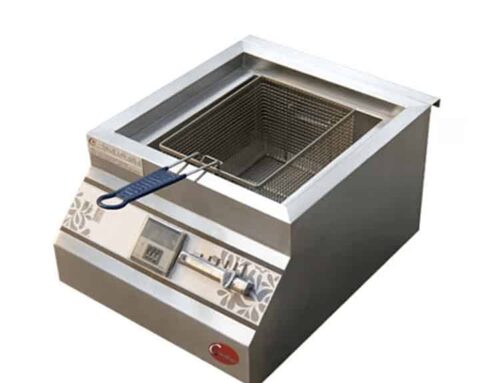
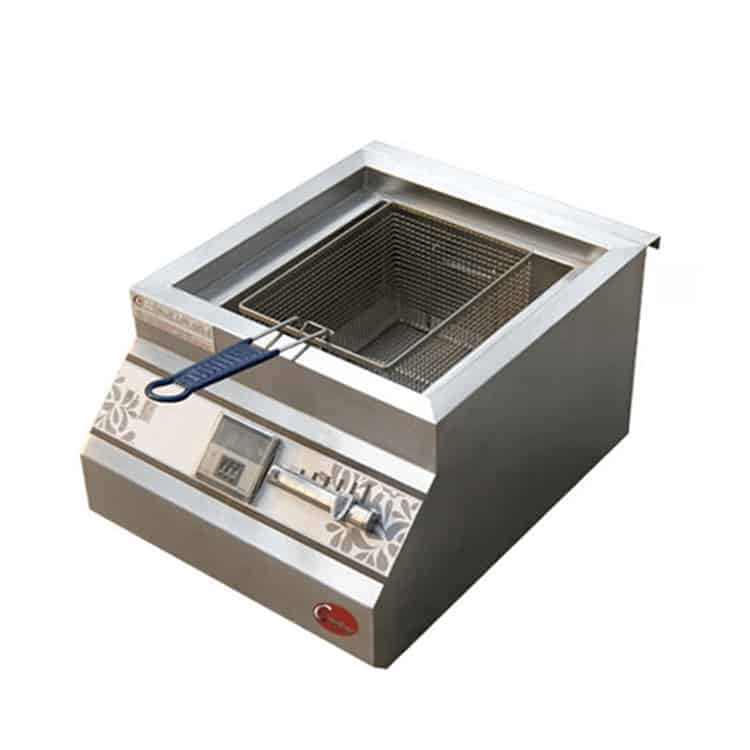
- କମ୍ପାକ୍ଟ କାଉଣ୍ଟରଟପ୍ ମଡେଲ୍ (5KW): ଛୋଟ ରୋଷେଇ ଘର ପାଇଁ ଆଦର୍ଶ, ଏଗୁଡ଼ିକ 8.5–13.8 lbs (10–15L) ତେଲ ଧାରଣ କରନ୍ତି | ଉଦାହରଣ ସ୍ୱରୂପ, 5KW ସିଙ୍ଗଲ୍-ବାସ୍କେଟ୍ ଫ୍ରାଏର୍ 10L (8.5 lbs) ଟାଙ୍କି ଧାରଣ କରେ, ଯେତେବେଳେ କି 5KW ଡୁଆଲ୍-ବାସ୍କେଟ୍ ମଡେଲ୍ 15L (12.75 lbs) ଧାରଣ କରେ | ଏଗୁଡ଼ିକ କାଫେ କିମ୍ବା ଫୁଡ୍ ଟ୍ରକ୍ ପାଇଁ ଉତ୍ତମ ଯାହା ଦୈନିକ 50–100 ପରିମାଣ ଫ୍ରାଏ କରନ୍ତି |.
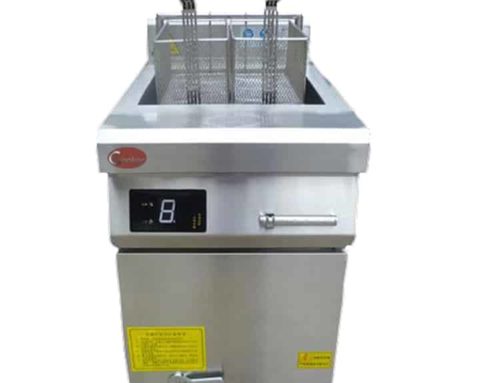
- ମଧ୍ୟମ-ପରିମାଣ ଫ୍ରିଷ୍ଟାଣ୍ଡିଙ୍ଗ୍ ମଡେଲ୍ (8–15KW): ରେଷ୍ଟୁରାଣ୍ଟ ପାଇଁ ଡିଜାଇନ୍ କରାଯାଇଛି, ଏଗୁଡ଼ିକ 19.5–21.16 lbs (23L) ତେଲ ଧାରଣ କରନ୍ତି | 23L ବାଣିଜ୍ୟିକ ଇଣ୍ଡକ୍ସନ୍ ଫ୍ରାଏର୍ ଏକ ବେଷ୍ଟସେଲର୍, ଯାହା 23L (21 lbs) ତେଲ ଧାରଣ କରେ - ଦୈନିକ 200–300 ପରିମାଣ ଫ୍ରାଏଜ୍ କିମ୍ବା ଚିକେନ୍ ଫ୍ରାଏ କରିବା ପାଇଁ ଯଥେଷ୍ଟ |.
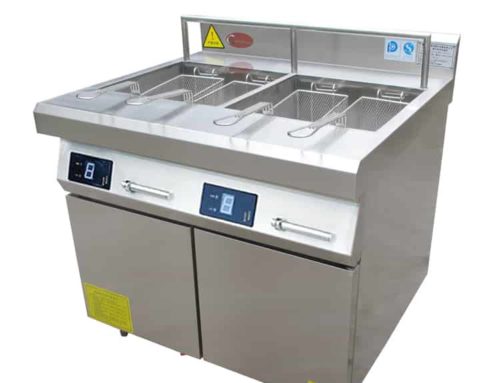
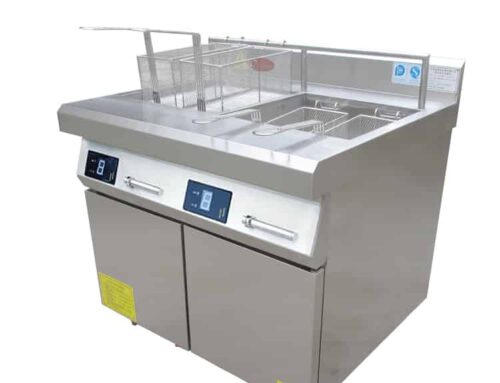
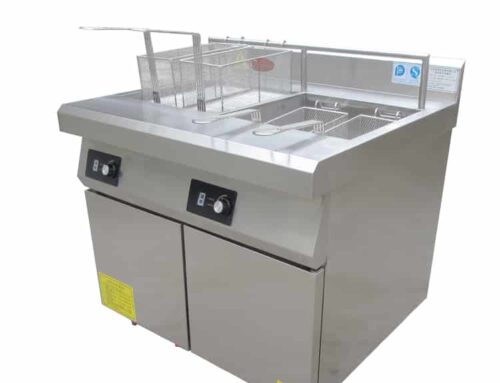
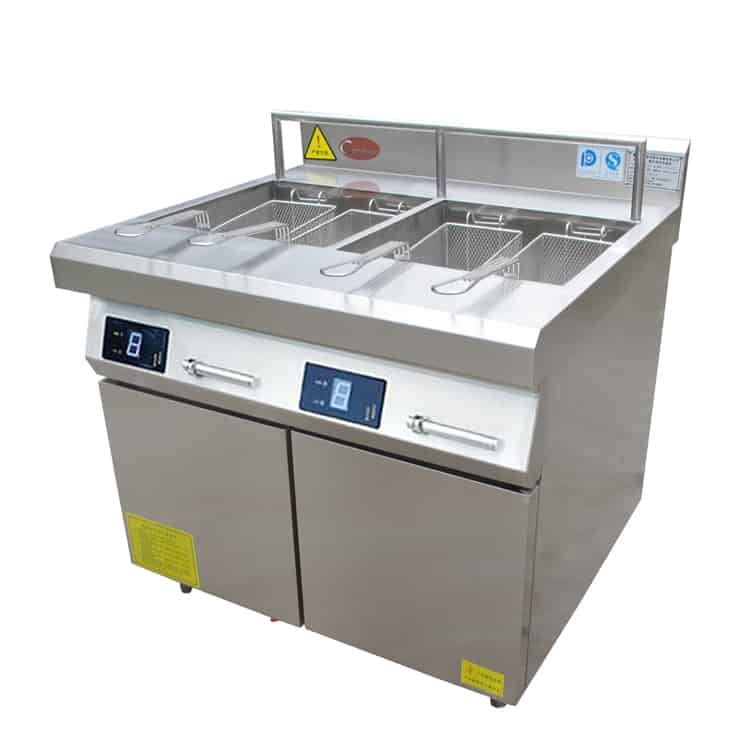
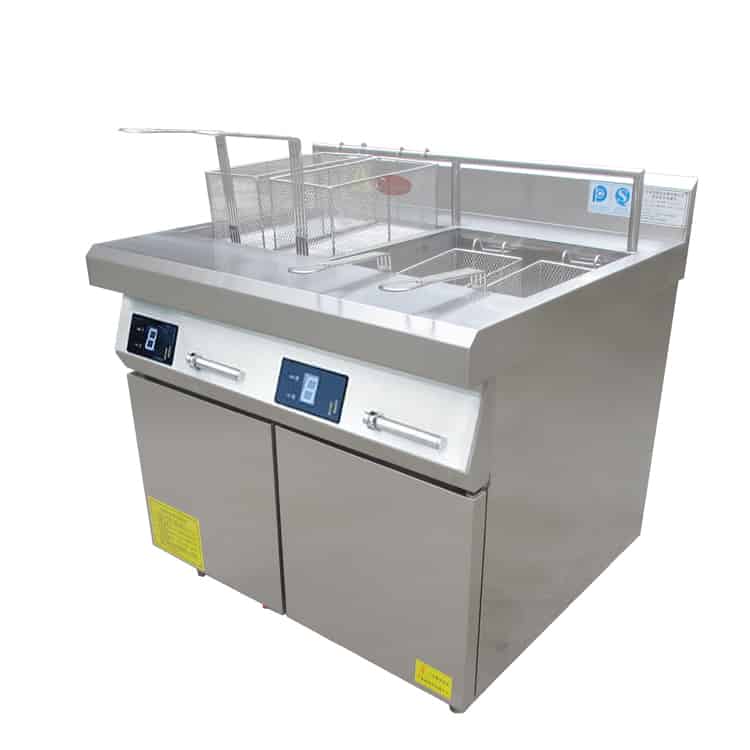
- ଉଚ୍ଚ-ପରିମାଣ ଡୁଆଲ୍-ଟାଙ୍କି ମଡେଲ୍ (10–12KW×2): ଷ୍ଟାଡିୟମ୍, ହୋଟେଲ୍, କିମ୍ବା ବୃହତ୍ ଚେନ୍ ପାଇଁ, ଏଗୁଡ଼ିକ 68–73.6 lbs (80L ମୋଟ୍: 40L×2) ତେଲ ଧାରଣ କରନ୍ତି | 40L×2 ଫ୍ରାଏର୍ ଦୈନିକ 500+ ପରିମାଣକୁ ପରିଚାଳନା କରିପାରେ, ବିଭିନ୍ନ ଖାଦ୍ୟ ପାଇଁ ପୃଥକ୍ ଟାଙ୍କି ସହିତ (ଯେପରିକି, ଫ୍ରାଏଜ୍ ପାଇଁ ଗୋଟିଏ, ଚିକେନ୍ ପାଇଁ ଗୋଟିଏ) |.
ଅଷ୍ଟିନର ଏକ ଛୋଟ କାଫେ AT Cooker ର 10L କାଉଣ୍ଟରଟପ୍ ଫ୍ରାଏର୍ ବ୍ୟବହାର କରେ: “ଆମେ ଦୈନିକ 70 ପରିମାଣ ଅନିଅନ୍ ରିଙ୍ଗ୍ ଫ୍ରାଏ କରୁ - 10L ତେଲ 3 ଦିନ ପର୍ଯ୍ୟନ୍ତ ଚାଲିଥାଏ | ଏକ ବଡ଼ ଫ୍ରାଏର୍ ତେଲ ବର୍ବାଦ କରିବ, କାରଣ ଆମେ 20L+ କ୍ଷମତାକୁ ଯଥାର୍ଥ କରିବା ପାଇଁ ଯଥେଷ୍ଟ ବ୍ୟବହାର କରୁନାହୁଁ | ” ବିପରୀତରେ, ଲାସ୍ ଭେଗାସର ଏକ ହୋଟେଲ୍ 40L×2 ମଡେଲ୍ ବ୍ୟବହାର କରେ: “ଆମେ ବ୍ରଞ୍ଚ ପାଇଁ 600+ ଅତିଥିଙ୍କୁ ସେବା କରୁ - 80L ତେଲ ଆମକୁ ପୁନର୍ଭର୍ତ୍ତି ନକରି ଅବିରତ ଫ୍ରାଏ କରିବାକୁ ଦେଇଥାଏ, ଯାହା ଅର୍ଡର ସହିତ ତାଳ ମିଳାଇବା ପାଇଁ ଗୁରୁତ୍ୱପୂର୍ଣ୍ଣ | ”
| AT Cooker Model | ତେଲ କ୍ଷମତା (L) | ତେଲ କ୍ଷମତା (lbs, ତୈଳ) | ኃይል | Ideal Kitchen Type | ଦୈନିକ ପରିମାଣ ଉତ୍ପାଦନ |
|---|---|---|---|---|---|
| 5KW ឯកតួ ឆ្នាំងចៀនលើតុ | 10L | 8.5 lbs | 5KW | រ้านកាហ្វេ, រថយន្តលក់ចំណី | 50–100 |
| 5KW ឆ្នាំងចៀនពីរ ឆ្នាំងលើតុ | 15L | 12.75 lbs | 5KW | ភោជនីយដ្ឋានតូចៗ, កន្លែងលក់ដូរ | 100–150 |
| 23L ឆ្នាំងចៀនអាំងដ្យូស ឈរ | 23L | 19.55 lbs | 8–15KW | ភោជនីយដ្ឋានមធ្យម, ហាងលក់អាហារ | 200–300 |
| 40L×2 ឆ្នាំងចៀនពីរធុង | 80L (40L×2) | 68 lbs | 10–12KW×2 | ខ្សែសង្វាក់ធំៗ, កីឡដ្ឋាន, សណ្ឋាគារ | 500+ |
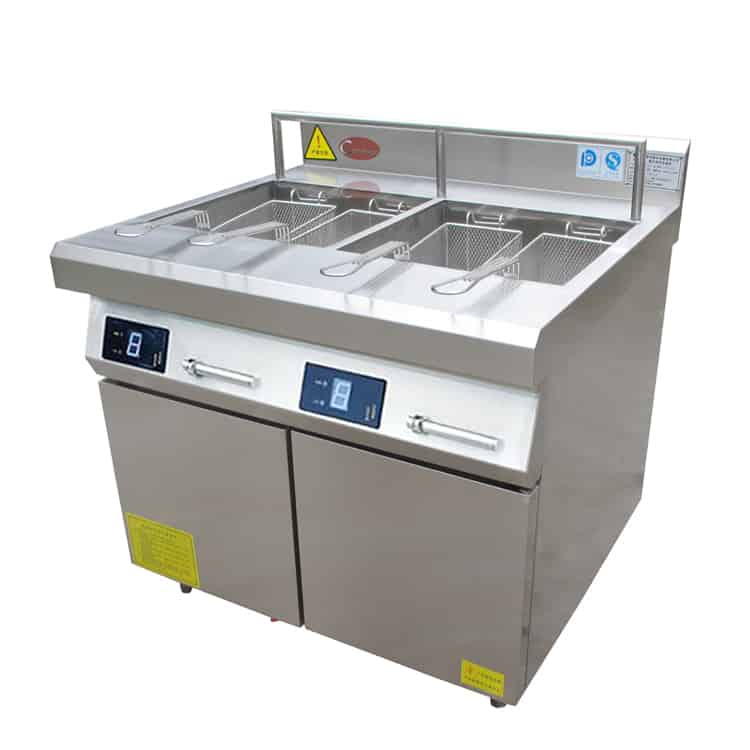
2. អត្រាប្រើប្រាស់ប្រេង អាស្រ័យលើភាពញឹកញាប់នៃការប្រើប្រាស់
អត្រាប្រើប្រាស់ប្រេង—រយៈពេលប៉ុន្មានដែលប្រេងត្រូវផ្លាស់ប្តូរ—ប្រែប្រួលយ៉ាងខ្លាំងអាស្រ័យលើថាតើឆ្នាំងចៀនត្រូវបានប្រើញឹកញាប់ប៉ុនណា។ ប្រតិបត្តិការដែលមានបរិមាណច្រើន (ចៀនរយៈពេល 4+ ម៉ោងក្នុងមួយថ្ងៃ) ប្រើប្រេងលឿនជាង 2-3 ដងជាងផ្ទះបាយដែលមានបរិមាណតិច (ចៀនរយៈពេល 1-2 ម៉ោងក្នុងមួយថ្ងៃ) ដោយសារកំដៅថេរ និងការប៉ះពាល់ជាមួយអាហារធ្វើឱ្យប្រេងកាន់តែយ៉ាប់យ៉ឺន។.
ដើម្បីវាស់វែងនេះ សូមពិចារណាលើម៉ូដែលពេញនិយមបំផុតរបស់ AT Cooker និងវដ្តនៃការផ្លាស់ប្តូរប្រេងធម្មតារបស់ពួកគេ (ដោយប្រើប្រេងបន្លែ ដែលជាជម្រើសទូទៅបំផុតសម្រាប់ផ្ទះបាយពាណិជ្ជកម្ម):
- ការប្រើប្រាស់បរិមាណតិច (1–2 ម៉ោង/ថ្ងៃ): ឆ្នាំងចៀនលើតុទំហំ 10L ដែលប្រើរយៈពេល 1 ម៉ោងក្នុងមួយថ្ងៃ (ឧ. រ้านកាហ្វេចៀននំសាំងវិចពេលព្រឹក) ត្រូវការផ្លាស់ប្តូរប្រេងរៀងរាល់ 5-7 ថ្ងៃ។ នេះមានន័យថាប្រេងប្រហែល 1.4–2L ត្រូវបានប្រើប្រាស់ជារៀងរាល់ថ្ងៃ ឬប្រហែល 42–60L ក្នុងមួយខែ។.
- ការប្រើប្រាស់បរិមាណមធ្យម (3–4 ម៉ោង/ថ្ងៃ): ឆ្នាំងចៀនឈរទំហំ 23L ដែលប្រើរយៈពេល 3 ម៉ោងក្នុងមួយថ្ងៃ (ឧ. ហាងលក់អាហារចៀនអាហារថ្ងៃត្រង់ និងអាហារពេលល្ងាច) ត្រូវការផ្លាស់ប្តូរប្រេងរៀងរាល់ 3-4 ថ្ងៃ។ ការប្រើប្រាស់ប្រចាំថ្ងៃគឺប្រហែល 5.75–7.6L ឬប្រហែល 172–228L ក្នុងមួយខែ។.
- ការប្រើប្រាស់បរិមាណច្រើន (5+ ម៉ោង/ថ្ងៃ): ឆ្នាំងចៀនទំហំ 40L×2 ដែលប្រើរយៈពេល 6 ម៉ោងក្នុងមួយថ្ងៃ (ឧ. កន្លែងលក់អាហារនៅកីឡដ្ឋាន) ត្រូវការផ្លាស់ប្តូរប្រេងរៀងរាល់ 2-3 ថ្ងៃ។ ការប្រើប្រាស់ប្រចាំថ្ងៃគឺប្រហែល 26–40L ឬប្រហែល 780–1,200L ក្នុងមួយខែ។.
វដ្តទាំងនេះមិនមែនជាការចៃដន្យទេ—ពួកគេផ្អែកលើសូចនាករគុណភាពប្រេងដូចជាកម្រិតអាស៊ីតខ្លាញ់សេរី (FFA)។ នៅពេលដែល FFA លើសពី 1% ប្រេងចាប់ផ្តើមបង្កើតរសជាតិមិនល្អ និងផ្សែង ដូច្នេះការផ្លាស់ប្តូរគឺចាំបាច់។ អតិថិជនរបស់ AT Cooker បញ្ជាក់ពីពេលវេលាទាំងនេះ៖ ខ្សែសង្វាក់អាហារលឿនមួយនៅទីក្រុងឈីកាហ្គោ ប្រើឆ្នាំងចៀនទំហំ 23L ចំនួនពីរសម្រាប់រយៈពេល 4 ម៉ោងក្នុងមួយថ្ងៃ ដោយផ្លាស់ប្តូរប្រេងរៀងរាល់ 3 ថ្ងៃ។ “យើងតាមដានគុណភាពប្រេងដោយប្រើបន្ទះសាកល្បង—នៅថ្ងៃទី 3 FFA ឡើងដល់ 1.2% ដូច្នេះយើងផ្លាស់ប្តូរវាដើម្បីរក្សារសជាតិបារាំងឱ្យស្រស់” អ្នកគ្រប់គ្រងផ្ទះបាយបាននិយាយ។.
ភាពញឹកញាប់នៃការប្រើប្រាស់ក៏ប៉ះពាល់ដល់ “ការខូចគុណភាពនៅពេលទំនេរ”—ប្រេងកាន់តែយ៉ាប់យ៉ឺន ទោះបីជាឆ្នាំងចៀនបើកក៏ដោយ ប៉ុន្តែមិនបានចម្អិនទេ។ ឧទាហរណ៍ ឆ្នាំងចៀនដែលទុកចោលក្នុងរបៀបរង់ចាំរយៈពេល 2 ម៉ោងក្នុងមួយថ្ងៃ នឹងប្រើប្រេងលឿនជាង 15% ជាងឆ្នាំងដែលបិទចោលរវាងការប្រើប្រាស់។ នេះជាមូលហេតុដែលឆ្នាំងចៀនរបស់ AT Cooker រួមបញ្ចូលកម្មវិធីកំណត់ម៉ោងបិទដោយស្វ័យប្រវត្តិរយៈពេល 10 ម៉ោង—កាត់បន្ថយពេលវេលាទំនេរ និងកាត់បន្ថយការប្រើប្រាស់។.
3. ការច្រោះជាប្រចាំ ជួយពន្យារអាយុប្រេង កាត់បន្ថយការប្រើប្រាស់
Minangka salah sawijining cara sing paling efektif kanggo nyuda tingkat konsumsi minyak yaiku filtrasi rutin. Partikel panganan (kayata adonan, remah-remah) sing ditinggalake ing minyak nyepetake degradasi kanthi kobong lan ngeculake asam, sing ngrusak molekul minyak. Filtrasi mbusak partikel kasebut, ngluwihi umur minyak nganti 30-50% lan nyuda biaya konsumsi saben wulan kanthi signifikan.
AT Cooker's fryers komersial dirancang kanggo nyederhanakake filtrasi, kanthi fitur sing nggawe proses cepet lan efisien:
- Keran Drain: Kabeh model kalebu keran drain sing dibangun ing ngendi staf bisa nguras minyak langsung menyang wadhah filtrasi, tanpa perlu ngangkat. Drain fryer 23L duwe saringan mesh sing apik kanggo nyekel partikel gedhe sadurunge filtrasi.
- Gagang Minyak Dingin-Touch: Filtrasi paling aman nalika minyak adhem (122–140°F), mula fryer AT Cooker duwe gagang insulasi kanggo wadhah minyak, nyegah kobong nalika proses.
- Kompatibel karo Sistem Filtrasi: Model volume dhuwur (kayata 40L×2) bisa digunakake karo mesin filtrasi minyak komersial, sing mbusak partikel mikroskopis sing ora bisa disaring kanthi manual - ngluwihi umur minyak nganti 20% ekstra.
Perusahaan katering ing Miami nyoba dampak filtrasi: “Kita biasane ngganti minyak saben 3 dina tanpa filtrasi. Kanthi filtrasi saben dina (10 menit sawise nutup), saiki kita ngganti saben 5 dina - ngirit 40% biaya minyak saben wulan.” Kanggo fryer 23L, iki tegese saka 23L saben 3 dina dadi 23L saben 5 dina - nyuda panggunaan minyak saben wulan saka 230L dadi 138L, ngirit $192 saben wulan (kanthi asumsi $3/L kanggo minyak sayur).
Kuncine yaiku konsistensi: filtrasi kudu ditindakake sawise saben layanan sing sibuk, ora mung nalika minyak katon reged. Malah partikel cilik sing ora katon nyebabake karusakan saka wektu. AT Cooker nyedhiyakake checklist filtrasi karo saben fryer, mbantu staf mbangun kebiasaan kasebut menyang rutinitas nutup.
Tanpa Filtrasi
Siklus Ganti Minyak (Fryer 23L)
Konsumsi Bulanan 230L
Filtrasi Saben Dina
Siklus Ganti Minyak (Fryer 23L)
Konsumsi Bulanan 138L
Filtrasi Mesin
Siklus Ganti Minyak (Fryer 23L)
Konsumsi Bulanan 115L
4. Kontrol Suhu Presisi Fryer Induksi Nyuda Degradasi Minyak
Degradasi minyak nyepetake ing suhu ndhuwur 375°F (190°C), amarga panas dhuwur ngrusak struktur molekul minyak lan ngasilake senyawa mbebayani. Ing kene deep fryer electric model induksi bersinar: kontrol suhu sing presisi njaga minyak ing kisaran sing ideal (325–375°F), nyegah panas banget lan nyuda degradasi—langsung nyuda tingkat konsumsi minyak.
Fryer induksi AT Cooker nggunakake kontroler PID (Proportional-Integral-Derivative) adhedhasar sensor sing nyetel panas 10 kaping saben detik, njaga suhu ing ±2°F. Iki luwih presisi tinimbang fryer gas (sing fluktuasi ±5–8°F) utawa fryer listrik standar (±3–4°F). Asile? Minyak luwih awet amarga ora tau kena suhu dhuwur sing mbebayani.
Rantai pitik mbandhingake fryer induksi AT Cooker karo fryer gas: “Fryer gas kita suhu mlumpat antarane 360°F lan 385°F, mula minyak cepet rusak—kita ngganti saben 2 dina. Fryer induksi tetep persis 370°F, lan minyak tahan 4 dina. Kita nyuda biaya minyak setengah.”
Kontrol suhu sing presisi uga nyuda “pelanggaran titik asap”—nalika minyak ngluwihi titik asap (400°F kanggo minyak sayur), iku langsung ora bisa digunakake. Fryer AT Cooker kalebu peringatan anti-suhu dhuwur sing ngelingake staf yen minyak cedhak 390°F, menehi wektu kanggo nyetel panas sadurunge minyak rusak. Fitur iki dhewe ngirit sawetara restoran 10–15L minyak saben wulan, amarga ora perlu mbuwang batch sing panas banget.
Kanggo pawon sing nggoreng panganan sing alus (kayata tempura, sing mbutuhake 350°F), presisi iki luwih penting. Restoran sushi sing nggunakake fryer induksi 15L AT Cooker ujar: “Minyak tempura ora bisa ngluwihi 355°F—presisi fryer induksi ngidini kita nggoreng 50 porsi tanpa degradasi minyak, nalika fryer lawas kita ngrusak minyak sawise 20 porsi.”
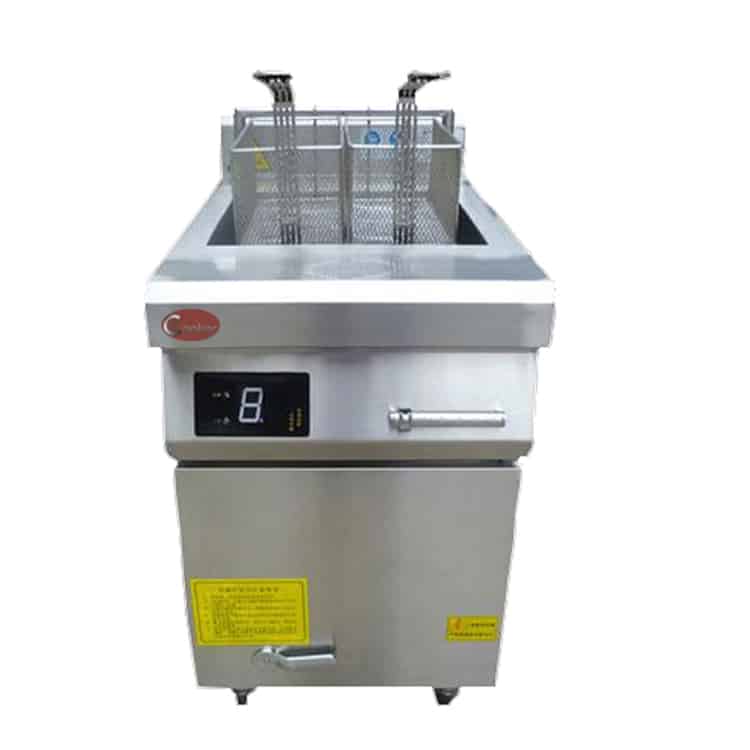
5. Kapasitas Minyak Proporsional karo Ukuran Fryer (Luwih Gedhe = Nuntut Luwih Dhuwur)
Kapasitas minyak lan ukuran fryer disambungake langsung—fryer sing luwih gedhe (dimensi fisik luwih gedhe) nahan luwih akeh minyak amarga dirancang kanggo nuntut luwih dhuwur. Proporsionalitas iki njamin fryer bisa ngimbangi output tanpa ngisi ulang terus-terusan, sing bakal ngganggu layanan lan nambah limbah minyak (saka tumpahan nalika ngisi ulang).
AT Cooker’s product dimensions reflect this relationship, with tank size (and thus oil capacity) increasing alongside overall fryer size:
- Countertop 10L Fryer: Product size = 400×400×450mm (compact enough for countertops), tank size = 200×280×180mm (10L oil capacity).
- Freestanding 23L Fryer: Product size = 500×800×950mm (floor-standing), tank size = 340×340×200mm (23L oil capacity).
- Dual-Tank 80L Fryer: Product size = 1000×800×1100mm (large floor model), tank size = 400×400×250mm×2 (80L total oil capacity).
This proportionality is critical for workflow efficiency. A large fryer with a small oil capacity would require constant refilling—for example, a 1000×800mm fryer with only 10L capacity would need refilling every 30 minutes during peak service, causing bottlenecks. Conversely, a small countertop fryer with 23L capacity would be too heavy (21 lbs of oil + fryer weight) to move safely.
A hotel kitchen in Las Vegas learned this lesson: “We initially bought a small countertop fryer with a 20L tank, thinking it would save space. But it weighed 60 lbs when full, so we couldn’t move it—we had to install a permanent counter. We switched to AT Cooker’s 15L countertop model, which is lightweight enough to store when not in use.”
When choosing a fryer, always match oil capacity to both demand and space: use AT Cooker’s product size specs to ensure the fryer fits in your kitchen, and oil capacity to ensure it meets your daily output needs.
6. Food Type Influences Oil Consumption (Breaded vs. Plain)
The type of food you fry has a major impact on oil consumption rate. Breaded or battered foods (e.g., fried chicken, onion rings) shed crumbs and absorb more oil, accelerating degradation. Plain foods (e.g., French fries, mozzarella sticks) produce fewer particles and absorb less oil, so oil lasts longer. This means a kitchen frying mostly breaded foods will need to replace oil 20–30% more frequently than one frying plain foods.
AT Cooker’s customers have seen this firsthand:
- Breaded Food Example: A fried chicken restaurant using the 23L fryer replaces oil every 3 days. “Chicken breading sheds crumbs that burn in the oil, so we have to change it often,” said the owner. Monthly oil consumption: 230L.
- Plain Food Example: A薯条 restaurant using the same 23L fryer replaces oil every 4 days. “Fries produce almost no crumbs, so oil stays clean longer,” said the manager. Monthly oil consumption: 172L.
The difference comes from two factors:
1. Particle Production: Breading flakes off during frying, creating tiny crumbs that settle at the bottom of the tank. These crumbs burn at high temperatures, releasing acids that break down oil.
2. Oil Absorption: Breaded foods have porous surfaces that absorb oil (up to 10% of their weight), while plain foods have smooth surfaces that absorb less (3–5%). This means more oil is lost to the food itself, not just degradation.
To mitigate this, AT Cooker recommends using separate fryers for breaded and plain foods—this prevents cross-contamination of crumbs and extends oil life for both. For example, a restaurant can use one 15L fryer for breaded chicken and another 15L fryer for plain fries, instead of using one 23L fryer for both. A diner in Chicago did this and reported: “Separate fryers let us keep fry oil for 4 days and chicken oil for 3 days—we save 15L of oil monthly compared to using one fryer.”
For kitchens that can’t afford multiple fryers, AT Cooker suggests adding a “crumb basket” (a fine mesh insert) to catch breading particles before they reach the tank. This simple accessory extends oil life by 10–15% for breaded foods.
— Mike, Diner Owner (Chicago, IL)
7. Advanced Oil Management Systems Monitor Quality
Modern ବାଣିଜ୍ୟିକ ଫ୍ରାଏର୍ often include advanced oil management systems that monitor oil quality in real time, alerting staff when replacement is needed. These systems eliminate guesswork—staff no longer have to rely on visual cues (e.g., oil color) or manual test strips, which can be inaccurate. Instead, sensors measure oil’s FFA levels or conductivity, providing objective data on when to change oil.
While AT Cooker’s standard models use manual test strips (included with every fryer), their high-end 40L×2 model offers an optional oil quality sensor that integrates with the digital display. The sensor:
- Measures oil conductivity every 15 minutes (conductivity increases as oil degrades).
- Nagpapakita ng “Quality Score” (1–10) sa screen ng fryer—10 = sariwa, 3 = kailangang palitan agad, 1 = kailangang palitan kaagad.
- Nagbibigay ng alerto kapag bumaba ang score sa 3, na nagbibigay ng oras sa mga tauhan na magplano ng pagpapalit ng mantika sa pagitan ng mga serbisyo.
Isang concession stand sa stadium na gumagamit ng feature na ito ang nagsabi: “Mayroon kaming 6 na fryer na tumatakbo habang may mga laro— ang mga quality sensor ay nagpapahintulot sa amin na subaybayan ang status ng mantika ng bawat isa mula sa kusina. Hindi na namin kailangang magpadala ng mga tauhan upang suriin ang bawat fryer, at hindi kami nauubusan ng malinis na mantika sa mga oras ng rurok.”
Para sa mga operasyong may mataas na volume, binabawasan ng sistemang ito ang pag-aaksaya ng mantika ng 5–10%—hindi pinapalitan ng mga tauhan ang mantika nang masyadong maaga (kapag maaari pa itong gamitin) o masyadong huli (kapag ito ay nasira na). Isang hotel na may 10 fryer ang nag-ulat ng pagtitipid ng 50L ng mantika buwan-buwan gamit ang mga sensor: “Dati, nagpapalit kami ng mantika sa isang nakatakdang iskedyul (tuwing 3 araw) anuman ang kalidad. Ngayon, pinapalitan lang namin ito kapag sinabi ng sensor—minsan tumatagal ito ng 4 na araw, na nagdaragdag.”
Kahit na walang built-in na mga sensor, inirerekomenda ng AT Cooker ang paggamit ng mga digital oil test kit (mabibili sa pamamagitan ng kanilang customer service) upang masubaybayan ang kalidad nang obhetibo. Ang mga kit na ito ay abot-kaya (₱20 para sa 50 pagsusuri) at nagbibigay ng mga resulta sa loob ng 30 segundo, na ginagawa itong isang sulit na pamumuhunan para sa anumang komersyal na kusina.
8. Ang Pare-parehong Init ng Electric Fryers ay Nagpapababa ng Konsumo
Ang mga electric fryer—lalo na ang mga induction model—ay nagbibigay ng mas pare-parehong distribusyon ng init kaysa sa mga gas fryer, na may mga hot spot (mga lugar na may mas mataas na temperatura) sa tangke. Ang mga hot spot ay nagiging sanhi ng mas mabilis na pagkasira ng mantika sa mga partikular na lugar, kahit na mukhang tama ang pangkalahatang temperatura. Nangangahulugan ito na ang mga gumagamit ng gas fryer ay madalas na kailangang palitan ang mantika nang mas maaga kaysa sa kinakailangan, dahil ang mga hot spot ay sumisira sa mga bahagi ng batch ng mantika.
Ang mga electric induction fryer ng AT Cooker ay nag-aalis ng mga hot spot sa pamamagitan ng paggamit ng magnetic heating na tumatarget sa buong ilalim ng tangke, hindi lamang sa isang burner. Ang pantay na init na ito ay nagsisiguro na ang mantika ay nasisira nang pantay-pantay, kaya ang buong batch ay nananatiling magagamit hanggang sa mataas ang mga antas ng FFA sa buong tangke—hindi lamang sa mga hot spot.
Isang comparative test ng isang culinary school ang nakita:
- Gas Fryer: Ang mga hot spot ay umabot sa 390°F habang ang natitirang bahagi ng tangke ay 370°F. Ang mantika sa hot spot area ay may mga antas ng FFA na 1.5% (nasira) habang ang natitirang bahagi ng tangke ay 0.8% (maaari pa ring gamitin). Kailangang palitan ng mga tauhan ang buong batch, na nag-aaksaya ng 50% ng magagamit na mantika.
- AT Cooker Induction Fryer: Ang temperatura ay 370°F sa buong tangke. Ang mga antas ng FFA ay 0.8% nang pantay-pantay, kaya maaaring gamitin ng mga tauhan ang mantika hanggang sa umabot ang mga antas sa 1%—walang nasasayang na mantika.
Ang pagiging pare-pareho na ito ay nagreresulta sa mas mababang konsumo: ang mga gumagamit ng electric fryer ay nagpapalit ng mantika ng 15–20% na mas madalang kaysa sa mga gumagamit ng gas fryer. Isang fast-food chain na may 20 lokasyon ang lumipat mula sa gas patungong electric fryer ng AT Cooker at nag-ulat: “Dati kaming bumibili ng 10,000L ng mantika buwan-buwan—ngayon ay bumibili kami ng 8,500L. Ang pare-parehong init ay nangangahulugan na hindi kami nag-aaksaya ng mantika dahil sa mga hot spot.”
Para sa mga kusinang lumilipat mula sa gas patungong electric, ito ay isang nakatagong benepisyo: hindi lamang nakakatipid ang mga electric fryer sa mga gastos sa enerhiya (90–95% efficiency kumpara sa 45% para sa gas), ngunit nakakatipid din sila sa mga gastos sa mantika—doble ang balik sa pamumuhunan.
9. Ang Oil Turnover Rate ay Nakakaapekto sa Kalidad at Konsumo
Ang oil turnover rate—ang bilis kung saan ginagamit at pinapalitan ang mantika—ay isang mahalagang sukatan para sa mga komersyal na kusina. Ang mataas na turnover rate (pagprito ng malalaking volume araw-araw) ay nangangahulugan na mabilis na nagagamit ang mantika, kaya hindi ito nagkakaroon ng maraming oras upang masira. Ang mababang turnover rate (pagprito ng maliliit na volume) ay nangangahulugan na ang mantika ay nananatili sa tangke nang mas matagal, na nasisira kahit na may kaunting paggamit. Nangangahulugan ito na ang dalawang kusina na may parehong fryer ay maaaring magkaroon ng malaking pagkakaiba sa mga rate ng konsumo batay sa turnover.
Halimbawa:
- High Turnover Kitchen: Isang burger chain na gumagamit ng 23L fryer ang nagpiprito ng 300 servings araw-araw. Mabilis na nagagamit ang mantika, kaya tumatagal ito ng 3 araw (turnover rate = 7.6L/araw). Buwanang konsumo: 228L.
- Low Turnover Kitchen: Isang café na gumagamit ng parehong 23L fryer ang nagpiprito ng 50 servings araw-araw. Ang mantika ay nananatili sa tangke nang mas matagal, nasisira mula sa idle heat, kaya tumatagal lamang ito ng 4 na araw (turnover rate = 5.75L/araw). Buwanang konsumo: 172L.
Sandali—mukhang salungat ito: ang high turnover kitchen ay gumagamit ng mas maraming mantika araw-araw ngunit may katulad na buwanang gastos sa low turnover kitchen. Ang pagkakaiba ay kalidad: ang high turnover oil ay palaging sariwa, kaya mas masarap ang pagkain, habang ang low turnover oil ay maaaring maging “luma” kahit na ito ay nasa loob ng replacement time.
Upang ma-optimize ang turnover rate, inirerekomenda ng AT Cooker:
- Para sa mataas na turnover: Gumamit ng mas malalaking fryer (hal., 40L×2) upang mabawasan ang mga refill at matiyak na nagagamit ang mantika bago ito masira.
- Para sa mababang turnover: Gumamit ng mas maliliit na fryer (hal., 10L) upang mabawasan ang dami ng mantika na nakatambak, at patayin ang fryer sa pagitan ng paggamit upang mabawasan ang idle degradation.
Isang café sa Seattle ang nag-adjust ng kanilang setup: “Gumamit kami ng 23L fryer para sa 50 servings araw-araw—tumagal ang mantika ng 4 na araw ngunit lasang luma. Lumipat kami sa 10L fryer, at tumatagal ang mantika ng 3 araw ngunit lasang sariwa. Ang buwanang paggamit ng mantika ay bumaba mula 172L patungong 100L, at napapansin ng mga customer ang mas masarap na lasa.”
Ang oil turnover rate ay naiimpluwensyahan din ng “topping off”—pagdaragdag ng sariwang mantika sa tangke sa halip na palitan ito nang buo. Habang ang topping off ay maaaring pansamantalang pahabain ang buhay ng mantika, hindi ito isang pangmatagalang solusyon: ang lumang mantika ay kalaunan ay makakakontamina sa bagong mantika, na hahantong sa mas mabilis na pagkasira. Pinapayuhan ng AT Cooker ang kumpletong pagpapalit ng mantika kapag bumaba ang kalidad, hindi lamang topping off.
10. Ang mga Salik sa Kapaligiran (Temperatura, Halumigmig) ay Nagpapataas ng Evaporation
Ang mga salik sa kapaligiran sa iyong kusina—tulad ng ambient temperature at humidity—ay maaaring magpataas ng konsumo ng mantika sa pamamagitan ng pagdudulot ng evaporation. Ang mantika ay dahan-dahang nag-e-evaporate sa mga temperatura ng pagprito (325–375°F), at ang mataas na ambient temperature (higit sa 80°F) o humidity (higit sa 60%) ay nagpapabilis sa prosesong ito. Sa paglipas ng panahon, ang evaporation ay maaaring maging 5–10% ng buwanang konsumo ng mantika, isang nakatagong gastos na maraming kusina ang hindi napapansin.
Ang mga fryer ng AT Cooker ay idinisenyo upang mabawasan ang evaporation sa pamamagitan ng mga insulated na tangke na nagpapababa ng pagkawala ng init sa nakapaligid na hangin. Ang 23L fryer’s tank ay may 3-layer insulation system na nagpapanatiling malamig sa labas at matatag ang temperatura sa loob, na nagpapababa ng evaporation ng 70% kumpara sa mga uninsulated na fryer.
Florida (high humidity) restaurant tested this: “Our old uninsulated fryer lost 1L of oil daily to evaporation. The AT Cooker insulated fryer loses only 0.3L daily—saving 21L monthly.” For a 23L fryer, this adds up to $63 monthly (assuming $3/L for oil).
To further reduce evaporation:
- Keep the fryer lid closed when not in use—this traps heat and reduces exposure to humid air.
- Install exhaust fans near the fryer to remove hot, humid air from the kitchen.
- Monitor oil levels weekly—top off with fresh oil only when levels drop below the “min oil level” (marked on AT Cooker tanks) to avoid overfilling.
A bakery in Arizona (high temperature) used these tips: “We keep the fryer lid closed between batches and run an exhaust fan—evaporation dropped from 0.8L to 0.4L daily. Over a year, that’s 146L saved.”
While evaporation is unavoidable, these steps can significantly reduce its impact on oil consumption—especially in extreme climates.
11. Maintenance Practices Extend Oil Life
Proper fryer maintenance directly impacts oil consumption rate. A well-maintained fryer keeps oil clean and temperature-stable, extending oil life. A poorly maintained fryer (dirty tank, faulty heating elements) causes oil to degrade faster, increasing consumption.
AT Cooker recommends a simple maintenance routine for all commercial fryers, focused on three key areas:
1. Tank Cleaning: Clean the fryer tank weekly (or monthly for low-volume use) to remove burnt-on crumbs that can’t be filtered out. Use AT Cooker’s recommended cleaner (non-abrasive to avoid scratching the tank) and a soft brush to scrub the bottom. A dirty tank can reduce oil life by 20%—burnt crumbs release constant acids into the oil.
2. Heating Element Inspection: Check heating elements quarterly for damage (e.g., cracks, corrosion). Faulty elements cause uneven heating, leading to hot spots that degrade oil. AT Cooker’s induction coils are sealed, so they only need a wipe with a dry cloth—no water needed.
3. Seal Replacement: Replace the fryer lid seal annually (or sooner if it’s cracked). A worn seal allows heat and moisture to escape, increasing evaporation and causing temperature fluctuations. AT Cooker sells replacement seals that take 5 minutes to install.
A school cafeteria with 5 AT Cooker fryers followed this routine: “Before maintenance, we replaced oil every 3 days. After starting weekly tank cleaning and quarterly element checks, oil lasts 4 days—saving 50L monthly.”
Neglecting maintenance is costly: a diner that skipped tank cleaning for 6 months saw oil life drop from 4 days to 2 days, doubling their monthly oil cost. “We had to replace the fryer tank eventually—burnt crumbs had damaged the surface. It was cheaper to do regular maintenance than replace the tank,” said the owner.
AT Cooker provides a maintenance checklist with every fryer, and their customer service team offers free virtual training on maintenance best practices—ensuring staff know how to keep fryers in top condition.
12. Initial Oil Fill vs. Actual Consumption
It’s important to distinguish between initial oil fill capacity (the amount of oil needed to fill the fryer to the “max level” for the first time) and actual consumption (the amount of oil replaced regularly). Initial fill is a one-time cost, while consumption is a recurring expense—confusing the two can lead to budget errors.
For AT Cooker’s models:
- 10L Countertop Fryer: Initial fill = 10L (one-time cost). Actual consumption = ~1.4–2L/day (recurring).
- 23L Freestanding Fryer: Initial fill = 23L (one-time cost). Actual consumption = ~5.75–7.6L/day (recurring).
- 40L×2 Dual-Tank Fryer: Initial fill = 80L (one-time cost). Actual consumption = ~26–40L/day (recurring).
A new restaurant owner learned this distinction: “I budgeted for the initial 23L fill ($69) but forgot about monthly consumption ($516 for 172L). AT Cooker’s customer service helped me adjust my budget—now I include both initial and recurring costs.”
Actual consumption also varies with operational habits, even for the same model. For example:
- A kitchen that filters daily, maintains the fryer, and uses the auto-shutoff timer will have lower consumption than one that doesn’t.
- A kitchen that fries mostly plain foods will have lower consumption than one that fries mostly breaded foods.
- A kitchen in a cool, dry climate will have lower consumption than one in a hot, humid climate.
To estimate actual consumption for your kitchen, use AT Cooker’s “Consumption Calculator” (available on their website): input fryer model, daily usage hours, food type, and climate, and it provides a monthly consumption estimate. This tool helps new customers avoid budget surprises and plan for oil costs.
13. Oil Level Sensors Prevent Overuse & Spills
Maraming modernong ବାଣିଜ୍ୟିକ ଫ୍ରାଏର୍ include oil level sensors that prevent overfilling and alert staff when oil is low. These sensors reduce oil consumption by avoiding spills (overfilled oil spills when adding food) and ensuring oil is not used below the “min level” (which causes overheating and faster degradation).
AT Cooker’s fryers have two types of oil level sensors:
1. Low Oil Sensor: Alerts staff when oil drops below the minimum safe level (marked on the tank). Running a fryer with low oil causes the heating element to overheat, which degrades remaining oil and can damage the fryer. The sensor sounds a beep and displays a “Low Oil” message on the screen—preventing this issue.
2. Overfill Sensor (High-End Models): Prevents overfilling by stopping oil flow when the tank reaches the max level. This is especially useful for new staff, who may not know the correct fill level. Overfilled oil spills during cooking, wasting oil and creating fire hazards.
A fast-food chain with high staff turnover said: “The low oil sensor has saved us from ruining oil multiple times—new staff forget to check levels, but the sensor alerts them. We used to waste 5L of oil monthly due to overheating; now we waste none.”
For kitchens without built-in sensors, AT Cooker recommends marking the “min” and “max” oil levels on the tank with a permanent marker—this simple step reduces spills and overuse by 10–15%. A café in Austin did this and reported: “We used to overfill by 1–2L monthly—now we fill to the marked line, saving $6–$12 monthly.”
Oil level sensors are a small feature but have a big impact on consumption: they eliminate preventable waste from spills and overheating, keeping oil costs in check.
14. Cost Analysis: Oil Purchase + Disposal Expenses
When calculating oil consumption costs, it’s important to include both oil purchase costs และ disposal expenses—disposal is a hidden cost that can add 10–15% to total oil expenses. Commercial kitchens can’t pour used oil down the drain (it clogs pipes and violates environmental regulations), so they must hire a disposal service or recycle the oil (for biodiesel), both of which have costs.
A full cost analysis for AT Cooker’s 23L fryer (monthly consumption = 172L) illustrates this:
- Purchase Cost: 172L × $3/L = $516/month.
- Disposal Cost: 172L × $0.30/L (average disposal fee) = $51.60/month.
- Total Monthly Cost: $567.60.
To reduce disposal costs, many AT Cooker customers partner with biodiesel companies that pick up used oil for free (or even pay a small fee for it). A hotel in Miami does this: “We give our used oil to a biodiesel company—they pick it up for free, and we get a $0.10/L rebate. This cuts our disposal cost to zero and adds $17.20/month in rebates.”
AT Cooker cũng khuyến nghị theo dõi việc sử dụng và thải dầu để xác định sự kém hiệu quả. Ví dụ, nếu lượng dầu thải của máy chiên cao hơn nhiều so với lượng dầu mua, điều đó có nghĩa là dầu đang bị lãng phí (ví dụ: tràn, đổ quá đầy). Một nhà hàng đã nhận thấy điều này: “Lượng dầu thải của chúng tôi cao hơn 20% so với lượng dầu mua—chúng tôi phát hiện nhân viên làm đổ dầu trong quá trình lọc. Việc khắc phục điều này đã cắt giảm chi phí thải dầu xuống còn $10/tháng.”
Theo thời gian, các khoản tiết kiệm chi phí nhỏ sẽ cộng lại: tối ưu hóa cả chi phí mua và chi phí thải có thể giảm tổng chi phí dầu xuống 15–20% hàng năm. Đối với một căn bếp chi tiêu $6.811,20 hàng năm cho dầu ($567,60/tháng), điều này có nghĩa là tiết kiệm được $1.021,68–$1.362,24 hàng năm.
Chọn Máy Chiên Thương Mại Phù Hợp Với Dung Tích Dầu & Nhu Cầu Tiêu Thụ Của Bạn
Chia sẻ khối lượng chiên hàng ngày, loại thực phẩm và quy mô bếp của bạn—các chuyên gia của chúng tôi sẽ giới thiệu một máy chiên thương mại AT Cooker với dung tích dầu lý tưởng để giảm thiểu tiêu thụ và chi phí. Nhận báo giá tùy chỉnh ngay hôm nay, bao gồm ước tính lượng dầu ban đầu và ước tính tiêu thụ hàng tháng.