Total Cost of Ownership for Restaurant Equipment: Installation, Energy & Maintenance
For restaurant owners and commercial kitchen managers, គ្រឿង is more than just an upfront purchase—it’s a long-term investment where total cost of ownership (TCO) often exceeds the initial price by 40–60%. AT Cooker’s 2024 survey of 200 restaurant operators found that 73% underestimated TCO by focusing only on purchase price, leading to budget shortfalls within 2 years. This guide breaks down TCO for critical kagamitan sa kusina ng komersyal—with a focus on AT Cooker’s commercial food steamer (our top-selling ZFGT-E3 model)—and shows how to calculate, reduce, and budget for costs like installation, energy, and maintenance.
1. Initial Purchase Price: 60–70% of Total Cost of Ownership
The upfront cost of គ្រឿង makes up the largest share of TCO—60–70% for most commercial kitchen tools. For AT Cooker’s ZFGT-E3 commercial electric steamer (a 23L floorstanding model popular with mid-size restaurants), the initial price ranges from $2,200–$2,500—this aligns with industry averages for high-quality commercial steamers (budget models start at $1,500 but have higher long-term costs).
Why this matters: Cutting corners on upfront price often increases TCO. For example, a $1,500 budget steamer may have a 3-year lifespan, while AT Cooker’s $2,300 model lasts 7+ years. Spreading the initial cost over lifespan, the budget steamer costs $500/year, vs. $328/year for AT’s model. A Chinese restaurant in Chicago confirmed: “We bought a budget steamer first—it lasted 2 years. Switching to AT Cooker’s model saved us $600/year in replacement costs.”
2. Installation Costs: 10–20% of Equipment Price
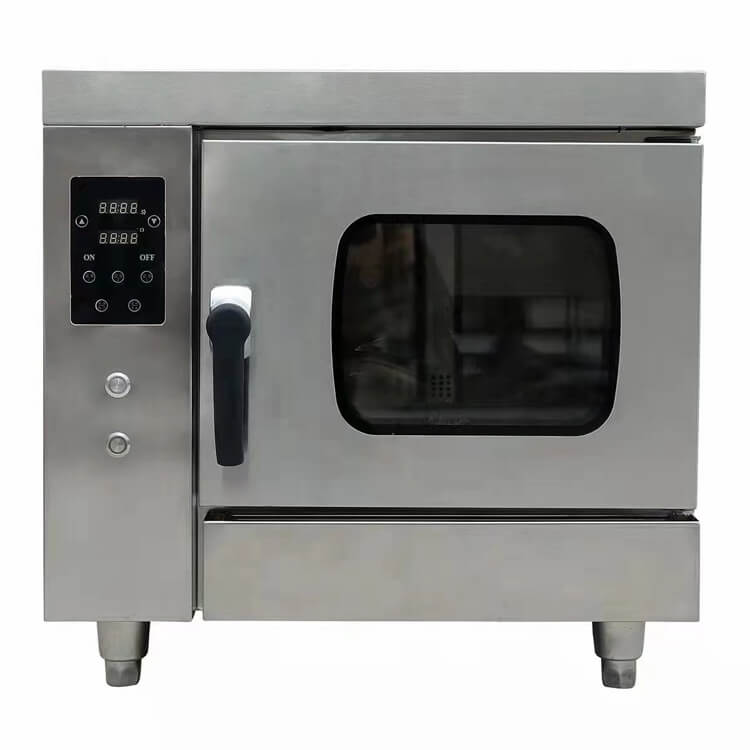
Installation adds 10–20% to the cost of kagamitan sa kusina ng komersyal—a often-overlooked expense. For AT Cooker’s ZFGT-E3 steamer, professional installation costs $220–$450 (10–20% of the $2,300 purchase price)—this includes electrical wiring (220V/380V depending on region), water line connection, and safety testing.
What drives installation costs:
- Electrical upgrades: If your kitchen lacks a 220V dedicated circuit (common in older buildings), adding one costs $300–$500 extra.
- Plumbing adjustments: The ZFGT-E3 needs a ½-inch water line with a shut-off valve—adapting existing plumbing adds $150–$250.
- Modular design savings: AT Cooker’s steamers have a modular build (separate water tank, control panel) that reduces installation time by 30% vs. non-modular models—saving $100–$150 per unit.
A hotel in Las Vegas saved on installation: “AT Cooker’s modular steamer fit into our existing water/electrical setup—we only paid $220 for installation, vs. $400 for our old non-modular model.”
3. Energy Consumption: 15–25% of TCO Over Lifespan
Energy costs represent 15–25% of TCO for គ្រឿង—and efficiency is the biggest driver. AT Cooker’s ZFGT-E3 steamer has a 92% energy efficiency rating (vs. 75% for budget models)—this translates to significant annual savings.
Calculating energy costs (based on 8 hours/day, 6 days/week, $0.15/kWh):
- AT Cooker ZFGT-E3: 9KW power × 92% efficiency = 9.78kWh/hour. Daily cost: 9.78 × 8 × $0.15 ≈ $11.74. Annual cost (288 days): $11.74 × 288 ≈ $3,381 over 7 years: $3,381.
- Budget steamer: 9KW power × 75% efficiency = 12kWh/hour. Daily cost: 12 × 8 × $0.15 = $14.40. Annual cost: $14.40 × 288 = $4,147 over 3 years: $12,441.
The ZFGT-E3 saves $9,060 in energy costs over its lifespan—more than offsetting the $800 higher upfront price. A catering company in Florida said: “Our monthly electric bill dropped $230 after switching to AT’s steamer—we recovered the extra upfront cost in 4 months.”
4. Maintenance & Repair: 5–10% Annually Based on Usage
Maintenance and repairs add 5–10% of the equipment’s value annually—for the ZFGT-E3 ($2,300), that’s $115–$230/year. AT Cooker’s preventive maintenance plan reduces this to $80–$150/year by catching issues early (e.g., descaling heating elements, replacing gaskets).
Common maintenance costs for commercial steamers:
- Descaling solution: $25–$40/quarter (prevents scale buildup in heating elements).
- Gasket replacement: $50–$80/year (seals the steamer door to prevent steam leaks).
- Heating element repair: $150–$300 (avoided with regular descaling—AT’s elements last 5+ years).
Budget steamers have higher repair costs: their heating elements fail every 1–2 years (vs. 5+ for AT’s), and gaskets need replacement twice as often. A breakfast café owner noted: “Our budget steamer needed a new heating element every year ($200). AT’s steamer hasn’t needed any major repairs in 3 years.”
5. Preventive Maintenance: Reducing Unexpected Costs
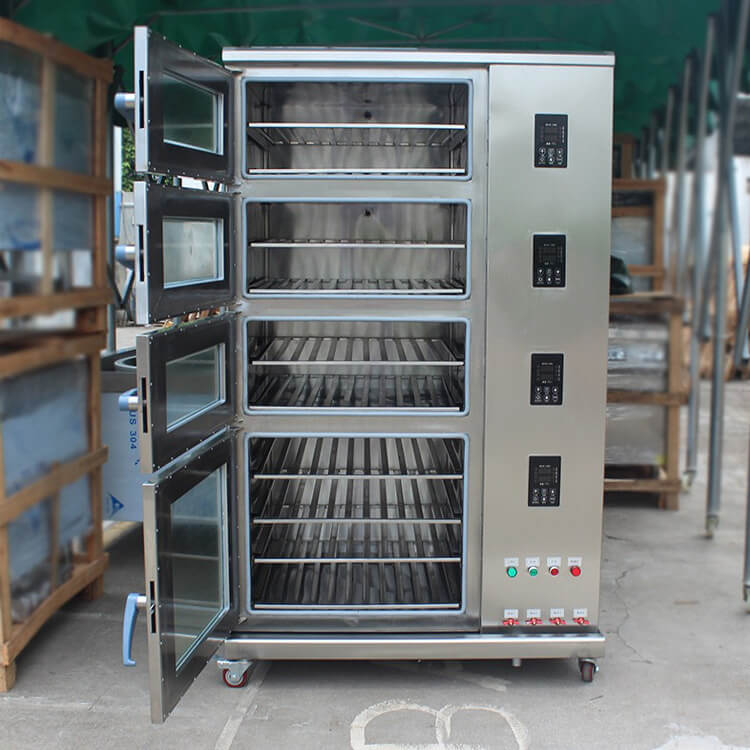
Regular preventive maintenance cuts unexpected breakdown costs by 40% and extends គ្រឿង life by 30%. AT Cooker’s ZFGT-E3 includes a free maintenance checklist, and our optional $300/year maintenance plan covers quarterly service visits (cleaning, testing, minor repairs).
What preventive maintenance includes for the ZFGT-E3:
- Descaling the heating element and water tank to prevent overheating.
- Inspecting the water line for leaks and cleaning the filter.
- Testing the safety valves (pressure relief, overheat protection) to ensure compliance.
- Lubricating the door hinges to prevent wear.
A hotel in Texas used this plan: “We had a technician spot a faulty valve during a visit—they replaced it for free. If we’d ignored it, the valve would have failed during a banquet, costing us $500 in downtime.”
“I used to skip preventive maintenance to save money—big mistake. Our steamer broke during lunch rush, and we lost $800 in sales while waiting for repairs. Now we use AT Cooker’s maintenance plan—it costs $300/year, but it’s saved us $2,000 in downtime and repairs.” — Maria, Café Owner
6. Energy-Efficient Equipment: Higher Upfront Price, Lower TCO
Energy-efficient kagamitan sa kusina ng komersyal often costs 10–30% more upfront, but it reduces TCO by 20–30% over lifespan. The ZFGT-E3’s 92% efficiency (vs. 75% for budget models) is achieved through:
- Insulated stainless steel body (reduces heat loss by 50%).
- Variable power settings (uses only 4KW for small batches, vs. 9KW for full loads).
- Auto-shutoff when not in use (saves 15% on energy).
A chain of 10 sushi restaurants calculated the difference: “AT Cooker’s steamers cost $800 more each, but we save $230/unit/year in energy. Over 7 years, that’s $1,610 in savings per unit—more than doubling the upfront investment.”
7. Modular Designs: Lower Installation & Maintenance Costs
Modular គ្រឿង (like AT Cooker’s ZFGT-E3) has separate, replaceable components—this cuts installation and maintenance costs by 20–30%. For example:
- Pag-install: Modular parts fit through narrow kitchen doors, avoiding costly renovations (e.g., removing doorframes) needed for non-modular steamers.
- නඩත්තු: If the water tank fails, you replace just the tank ($300) instead of the entire steamer ($2,300).
A small bistro in Seattle benefited from this: “Our kitchen has a narrow doorway—non-modular steamers would have required $1,000 in renovations. AT’s modular model fit easily, saving us the extra cost.”
8. Warranty & Service Contracts: Reducing TCO Risks
Warranty coverage and service contracts have a huge impact on TCO. AT Cooker offers a 2-year standard warranty for the ZFGT-E3, covering parts, labor, and shipping—this is twice as long as budget brands (1 year) and includes “wear parts” like gaskets (often excluded elsewhere).
For extended protection, our 3-year service contract ($600) adds:
- Onsite service within 48 hours (critical for busy kitchens).
- Free replacement parts (no deductibles).
- Annual performance tuning to maintain efficiency.
A catering company in New York calculated: “The service contract costs $200/year, but it saved us $800 when our heating element failed in year 3. It’s cheap insurance.”
9. Downtime Costs: Indirect TCO Impact
Downtime due to គ្រឿង failure is an indirect but costly part of TCO. For a restaurant using a steamer to cook dim sum, rice, or vegetables, 1 day of downtime can cost $500–$2,000 in lost sales and customer loyalty.
AT Cooker minimizes downtime with:
- 24/7 customer support (to report issues immediately).
- Local parts warehouses (90% of parts ship same-day).
- Backup rental options (for extended repairs).
A dim sum restaurant in California avoided downtime: “Our steamer’s door hinge broke on a Saturday morning. We called AT Cooker, and a technician arrived with a replacement part by noon—no lost sales.”
10. Staff Training: Minimizing Damage & Maintenance
Proper staff training reduces kagamitan sa kusina ng komersyal damage by 30%—lowering maintenance costs. AT Cooker provides free 30-minute training sessions for the ZFGT-E3, covering:
- Proper water filling (to avoid overflows and scale buildup).
- Safe door operation (to prevent hinge damage).
- Basic troubleshooting (e.g., resetting overheat protection).
A hotel with high staff turnover said: “The training is quick, but it’s made a big difference. Our new hires no longer overfill the steamer or force the door—maintenance costs dropped by 25%.”
11. Upgrading to Newer Technology: Long-Term TCO Savings
Upgrading outdated kagamitan sa kusina ng komersyal to newer technology reduces energy and maintenance costs. For example, replacing a 10-year-old steamer (65% efficiency) with AT Cooker’s ZFGT-E3 (92% efficiency) cuts energy costs by 30% and maintenance by 40%.
Ang isang silid-kainan ng paaralan ay nag-upgrade ng 3 lumang steamer: “Ang aming taunang bayarin sa enerhiya ay bumaba mula $12,000 hanggang $7,800, at wala kaming naging pag-aayos sa loob ng 2 taon. Ang pag-upgrade ay nabayaran sa loob ng 18 buwan.”
12. Pagkakaiba-iba ng TCO ayon sa Uri ng Kagamitan at Laki ng Kusina
Nag-iiba ang TCO ayon sa គ្រឿង uri—ang mga steamer ay may mas mababang TCO kaysa sa mga fryer o oven—at laki ng kusina. Halimbawa:
| ʻAno Mea Hana | Paunang Presyo | Taunang Gastos sa Enerhiya | Taunang Pagpapanatili | 10-Taong TCO |
|---|---|---|---|---|
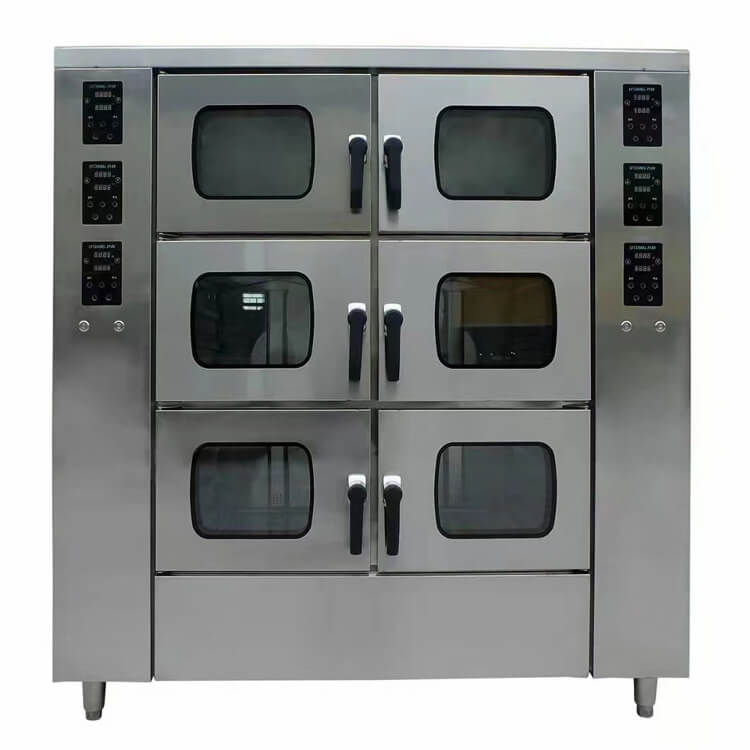
| AT Cooker ZFGT-E3 Steamer | $2,300 | $483 | $150 | $9,630 |
| Budget Commercial Steamer | $1,500 | $720 | $300 | $11,700 |
| စီးပွားဖြစ်အကြော်အိုး (Commercial Deep Fryer) | $3,000 | $1,200 | $400 | $19,000 |
Ang malalaking kusina na may maraming yunit ay nakakatipid din sa TCO—nag-aalok ang AT Cooker ng 10% na mga diskwento sa maramihan para sa 5+ yunit, at ang sentralisadong pagpapanatili ay nagpapababa ng mga gastos bawat yunit.
13. Pagbabadyet para sa mga Bahagi at Consumables
Ang pagbabadyet para sa mga kapalit na bahagi at consumables ay mahalaga para sa tumpak na pagpaplano ng TCO. Para sa ZFGT-E3, ang taunang gastos sa consumables ay:
- Descaling solution: $100–$160 (4–6 bote/taon).
- Water filters: $60–$80 (4–6 filter/taon, upang maiwasan ang scale).
- Gaskets: $50–$80 (1–2 kapalit/taon).
Nag-aalok ang AT Cooker ng “consumable kit” ($250/taon) na kasama ang lahat ng mga item na ito—nakakatipid ng 15% kumpara sa pagbili nang hiwalay. Sinabi ng isang may-ari ng café: “Tinitiyak ng kit na hindi kami nauubusan ng descaling solution, at mas mura ito kaysa sa pagbili ng mga indibidwal na bahagi.”
Mga Mungkahi ng AT Cooker
Upang kalkulahin ang TCO para sa គ្រឿង, sundin ang tatlong hakbang:
1. Paunang gastos: Isama ang presyo ng pagbili + pag-install (magdagdag ng mga pag-upgrade sa kuryente/plumbing kung kinakailangan).
2. Taunang gastos: Enerhiya + pagpapanatili + consumables + mga kontrata sa serbisyo.
3. Pagsasaayos ng haba ng buhay: Paramihin ang taunang gastos sa inaasahang buhay ng kagamitan, pagkatapos ay idagdag ang paunang gastos.
Para sa karamihan ng mga restawran, ang AT Cooker’s commercial food steamer ay nag-aalok ng pinakamababang TCO—ang aming 7+ taong haba ng buhay, 92% na kahusayan, at komprehensibong warranty ay nagpapababa ng pangmatagalang gastos ng 20–30% kumpara sa mga kakumpitensya. Kung ikaw ay isang maliit na café o isang malaking hotel, ang aming koponan ay makakatulong sa iyo na kalkulahin ang TCO para sa iyong mga partikular na pangangailangan.
Kumuha ng TCO Calculation para sa AT Cooker Commercial Food Steamer
Ibahagi ang iyong pang-araw-araw na paggamit, gastos sa enerhiya, at laki ng kusina, at padadalhan ka namin ng isang personalized na TCO report para sa aming commercial food steamer.