5-year Warranty | 2-year Free Exchangeable | 1-year Free Return
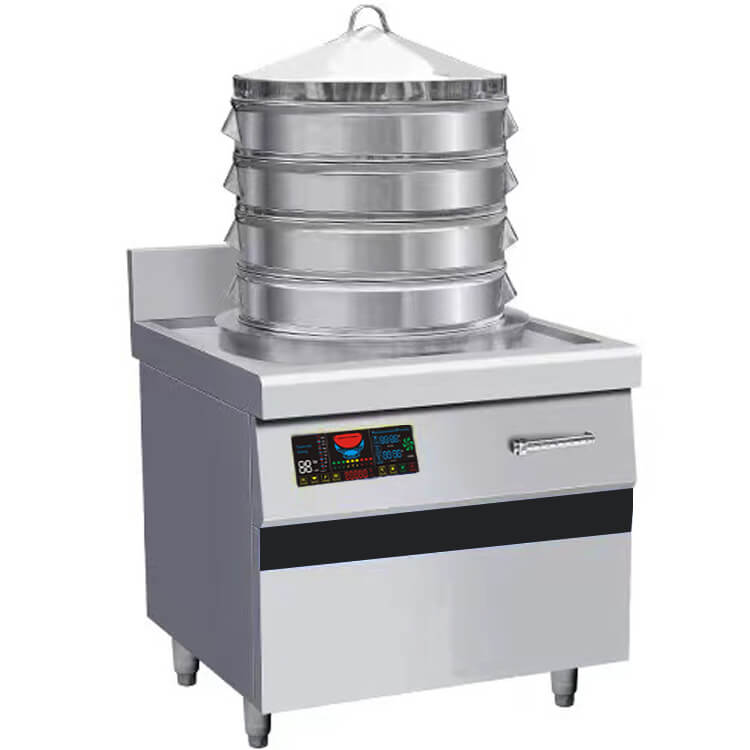
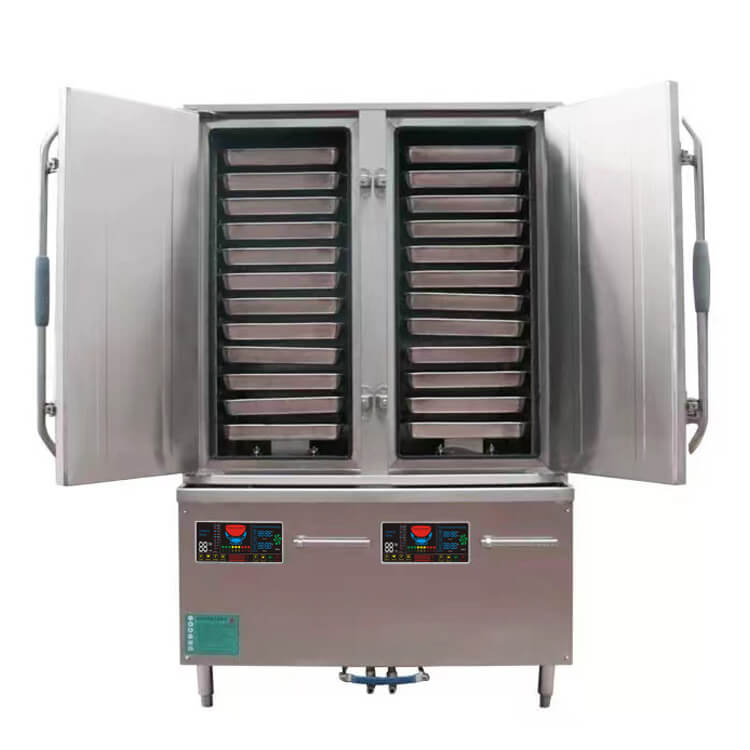
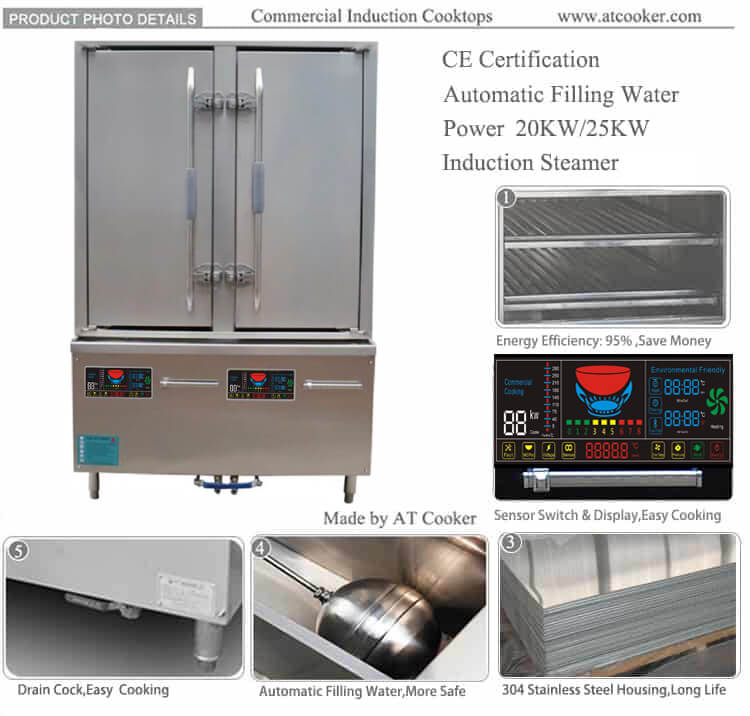
AT Cooker Executive Insight: When retrofitting a modern, high-power induction steamer into an older commercial kitchen, the electrical connection is the final hurdle. Should you hardwire the unit directly into the wall, or install a heavy-duty plug? This decision impacts safety, sanitation, and cost. While plugs offer mobility, hardwiring offers stability. At AT Cooker , we guide our clients through this critical infrastructure choice to ensure their 25KW induction units perform safely for years. Here is the definitive guide to commercial appliance hardwire vs plug installations. Older kitchens often struggle with the transition to high-amperage electric equipment. A gas steamer only needed a 120V plug for the controls. A commercial induction steamer, like our ZFGT-A V25 , requires 380V 3-phase power. This significant jump in power demand forces a choice: rigidity or flexibility? The heavy duty cooking equipment electrical connection is not just about getting power to the machine; it is about code compliance, hygiene, and preventing electrical fires in a humid, greasy environment. In this technical analysis, we weigh the pros and cons of both methods to help you decide.
1. The Safety Advantage of Hardwiring High-Amperage 25KW Equipment
25KW of power is no joke. At 380V 3-phase, this steamer pulls roughly 38 Amps continuously. A plug is a point of resistance. Over time, the contacts in a plug can oxidize or loosen, creating heat. Hardwiring eliminates this connection point. By wiring directly into a junction box, you ensure a solid, permanent connection that is rated for high thermal loads, significantly reducing the risk of meltdown or fire at the receptacle.
2. Mobility Factors: Why Plugs Aid in Daily Sanitation and Cleaning Compliance
The biggest argument for plugs is cleaning. Health inspectors love to see behind equipment. If a steamer is hardwired, it is tethered to the wall. Cleaning behind it becomes a major operation. A heavy-duty IEC Pin and Sleeve plug allows staff to disconnect the unit and roll it away for deep cleaning. This flexibility often leads to higher sanitation scores and a cleaner kitchen overall.
3. Cost Comparison: Expensive IEC Pin-and-Sleeve Plugs vs. Direct Connection
Hardwiring is cheap: a few feet of conduit, some wire nuts, and labor. A high-amperage Pin and Sleeve plug and receptacle set (like Hubbell or Mennekes) can cost upwards of $300-$500. While the plug adds convenience, it is a significant upfront cost. For budget-conscious renovations, how to wire commercial kitchen equipment directly is often the preferred route to save money.
1. The Safety Advantage of Hardwiring High-Amperage 25KW Equipment
tchens?
A 60-Amp commercial plug is bulky. It can stick out 4-6 inches from the wall. In a tight galley kitchen, this might prevent the steamer from sitting flush against the wall, eating up valuable aisle space. Hardwired connections can be recessed or angled more easily. If every inch counts, a direct connection often allows for a tighter equipment profile.
5. Corrosion Risks: How Steam and Humidity Affect Plug Contacts Over Time
2. Mobility Factors: Why Plugs Aid in Daily Sanitation and Cleaning Compliance
t. While IP67-rated watertight plugs exist, they are expensive. A hardwired connection inside a sealed, gasketed junction box is often more impervious to the humid environment of a steam station.