Prioritizing Safety: A Restaurant Owner’s Guide to Commercial Hot Plate Certifications
5-year Warranty | 2-year Free Exchangeable | 1-year Free Return
The Non-Negotiable Need for Certified Equipment
When outfitting a professional kitchen, the allure of lower-priced, uncertified equipment can be tempting for a budget-conscious restaurateur. However, the hidden costs of such decisions often far outweigh the initial savings. Using a JT-AX38 certified unit ensures that you are operating within the boundaries of local health codes and fire safety regulations. Uncertified hot plates pose significant fire hazards due to inconsistent heating elements and poor electrical insulation.
Beyond the physical risks, the legal implications are severe. Insurance companies often deny claims related to fires or accidents caused by non-certified equipment, leaving the business owner with catastrophic liabilities. By prioritizing Commercial Hot Plate Safety Certification, you are investing in an insurance policy for your restaurant’s future, ensuring that your operations remain compliant and your reputation intact.
Decoding the Alphabet Soup: CE, NSF, and UL
Understanding the hierarchy of certifications is crucial for making an informed purchase. While there are many regional standards, three stand out as global benchmarks for quality and safety. CE certification acts as a passport for products in the European Economic Area, signifying that the equipment meets strict health, safety, and environmental protection standards. For a restaurant aiming for global standards, this is a baseline requirement.
Meanwhile, NSF and UL certifications address specific operational hazards. NSF (National Sanitation Foundation) certification is the gold standard for sanitation, ensuring that the hot plate is designed to be easily cleaned and does not harbor bacteria. UL (Underwriters Laboratories) focuses intensely on electrical safety, testing the device’s ability to handle voltage spikes and long operational hours without overheating. A Commercial Kitchen Equipment Safety strategy relies on balancing these certifications.
Restaurant Trust in Certification Bodies (Survey Data)
The Technical Edge of Certified Induction Technology

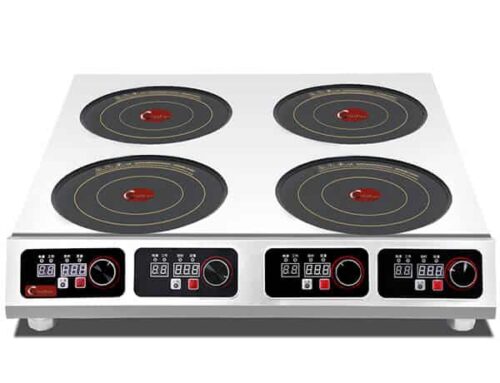
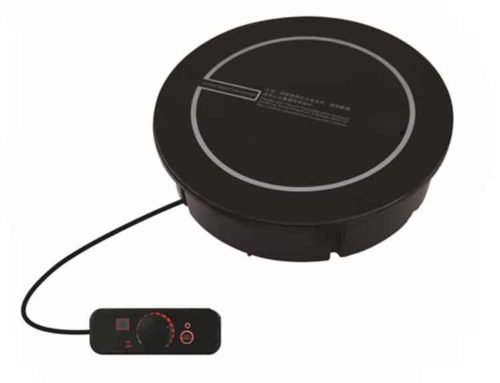
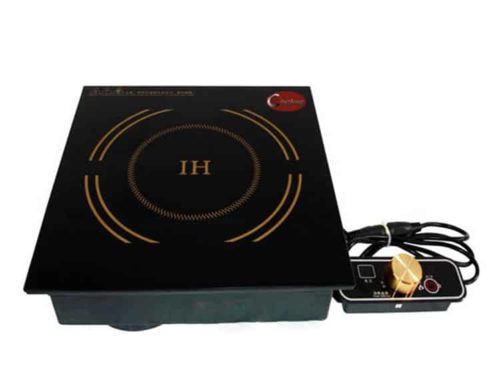
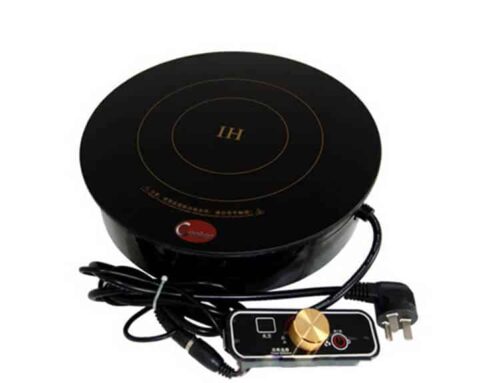
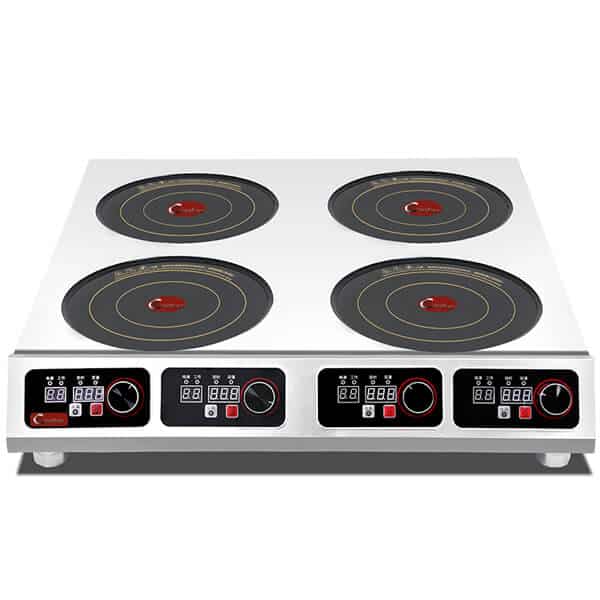
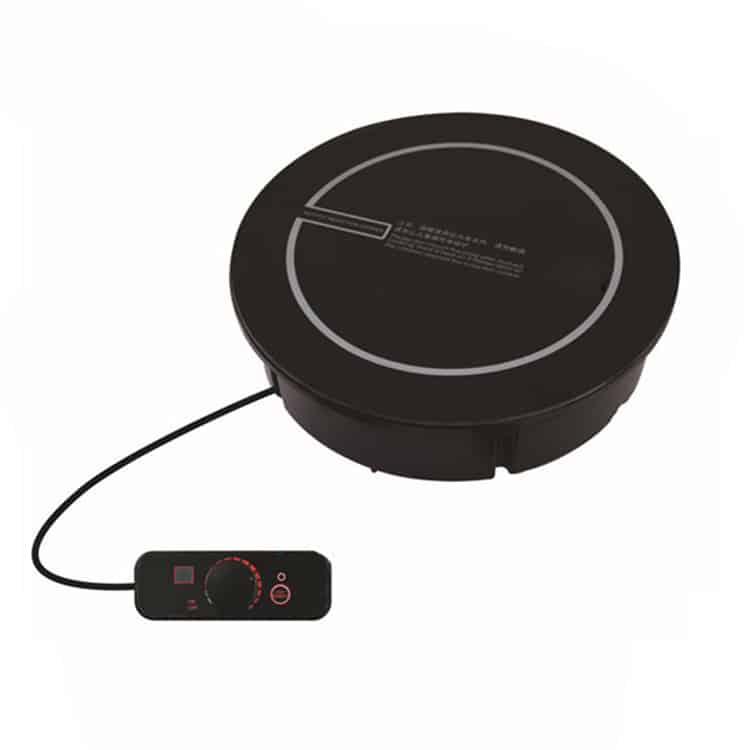
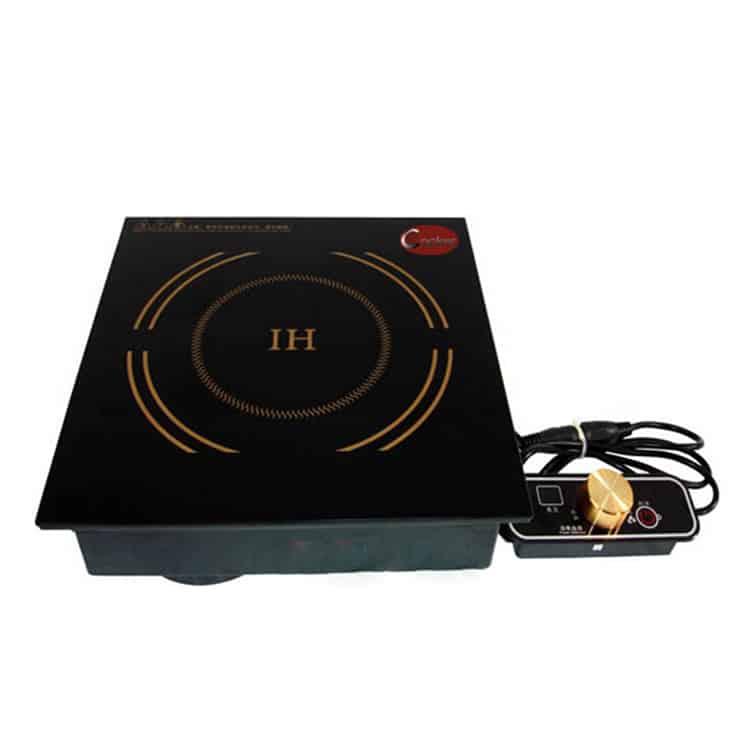
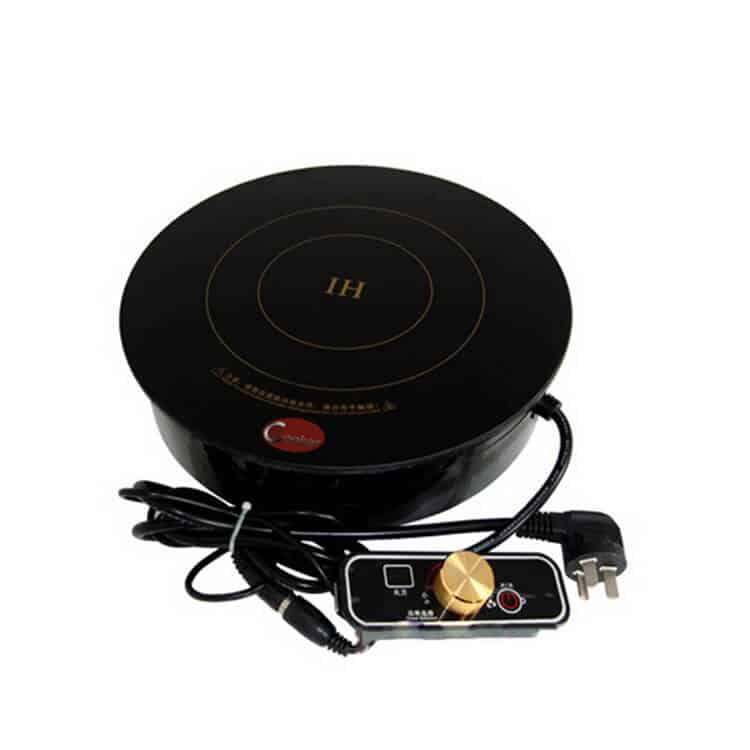
Commercial Kitchen Equipment -from AT Cooker
- As a brand manufacturer of the professional commercial induction cooking equipment, AT Cooker has responded to restaurants’ & hotels’ needs and research normative commercial cooking equipment using the very latest induction technology.
- These seamless, real commercial quality commercial cooking equipment provides us with the opportunity to incorporate equipment of our choice into one seamless, multipurpose cooking equipment creating an efficient, low cost, safe, green and sustainable commercial kitchen. We have standerd equipment can service many commercial kitchens.
- AT Cooker always offers professional service. From material, design, to producing, we focuse on quality, performance and reliability to ensures the best solution is delivered for each and every one of our customers. Have a commercial kitchen? We will be one of your best partners.
Work Voltage
| Single-Phase | Three-Phase |
|---|---|
| 120V, 220V | 208V/ 240V, 380V, 480V |
Global In-Stock + Fast Pickup
| US | UK | Germany | France |
|---|---|---|---|
| Italy | Spain | Belgium | Bulgaria |
Regional Specifics: China’s 3C and Energy Standards
While Western standards often dominate the conversation, the domestic Chinese market has its own rigorous requirements that global manufacturers must meet. The China Compulsory Certification (3C) is a mandatory safety mark for many products imported, sold, or used in the Chinese market. It shares similarities with CE but has specific protocols for electrical compatibility within China’s grid.
In addition to safety, efficiency is paramount. The China Energy-saving certification is increasingly relevant as restaurants look to cut operational costs. High-quality hot plates that carry these marks demonstrate a commitment to low energy consumption, directly impacting your bottom line. Investing in Restaurant Equipment Certification that includes energy-saving standards is a smart move for long-term sustainability.
5-year Warranty | 2-year Free Exchangeable | 1-year Free Return
Risk Mitigation and Insurance Validity

Final Thoughts: The Trust Factor
Ultimately, displaying certified equipment is a signal of trust to your customers and staff. It shows that you value their well-being above cutting corners. In an industry where reputation is everything, operating a compliant, safe, and efficient kitchen is the hallmark of a professional establishment.
Whether you are navigating CE requirements for Europe or NSF standards for the US, AT Cooker provides solutions that meet global safety benchmarks. Don’t leave your kitchen’s safety to chance; choose equipment that has been tested, verified, and certified for the demands of the modern culinary world.
5-year Warranty | 2-year Free Exchangeable | 1-year Free Return
Frequently Asked Questions
What are the most important safety certifications for commercial hot plates?
The three critical certifications are CE (European compliance), NSF (sanitation standard), and UL (electrical safety). For US markets, UL and NSF are essential; for European markets, CE is mandatory. Most global manufacturers target all three to ensure cross-border compatibility.
Why is CE certification necessary for European kitchens?
CE marking confirms the equipment meets EU health, safety, and environmental protection standards. It is a legal requirement for selling or operating commercial equipment in the European Economic Area. Without CE, your hot plate cannot be legally used in EU member states, and insurance claims may be denied.
What does NSF certification verify about a hot plate?
NSF (National Sanitation Foundation) certification verifies that the hot plate is designed for easy cleaning and does not harbor bacteria. It ensures the equipment meets food sanitation standards required by health codes in most US states and many other countries.
How does UL certification protect against electrical hazards?
UL (Underwriters Laboratories) certification tests the hot plate’s ability to handle voltage spikes, prevent overheating, and maintain electrical safety during extended operation. It reduces fire risk and ensures the device won’t damage other kitchen electronics through electromagnetic interference.
Can using uncertified hot plates void my insurance coverage?
Yes. In the event of a kitchen fire, investigators check equipment certifications. If your hot plates lack required UL or CE marks, insurance companies often deny claims, leaving you with catastrophic liability. Certified equipment is essentially an insurance policy for your restaurant’s future.