Beyond the Catalog: How Restaurants Audit Commercial Hot Plate Manufacturing
5-year Warranty | 2-year Free Exchangeable | 1-year Free Return
The “Show Me” Standard: Why On-Site Inspections Are Non-Negotiable
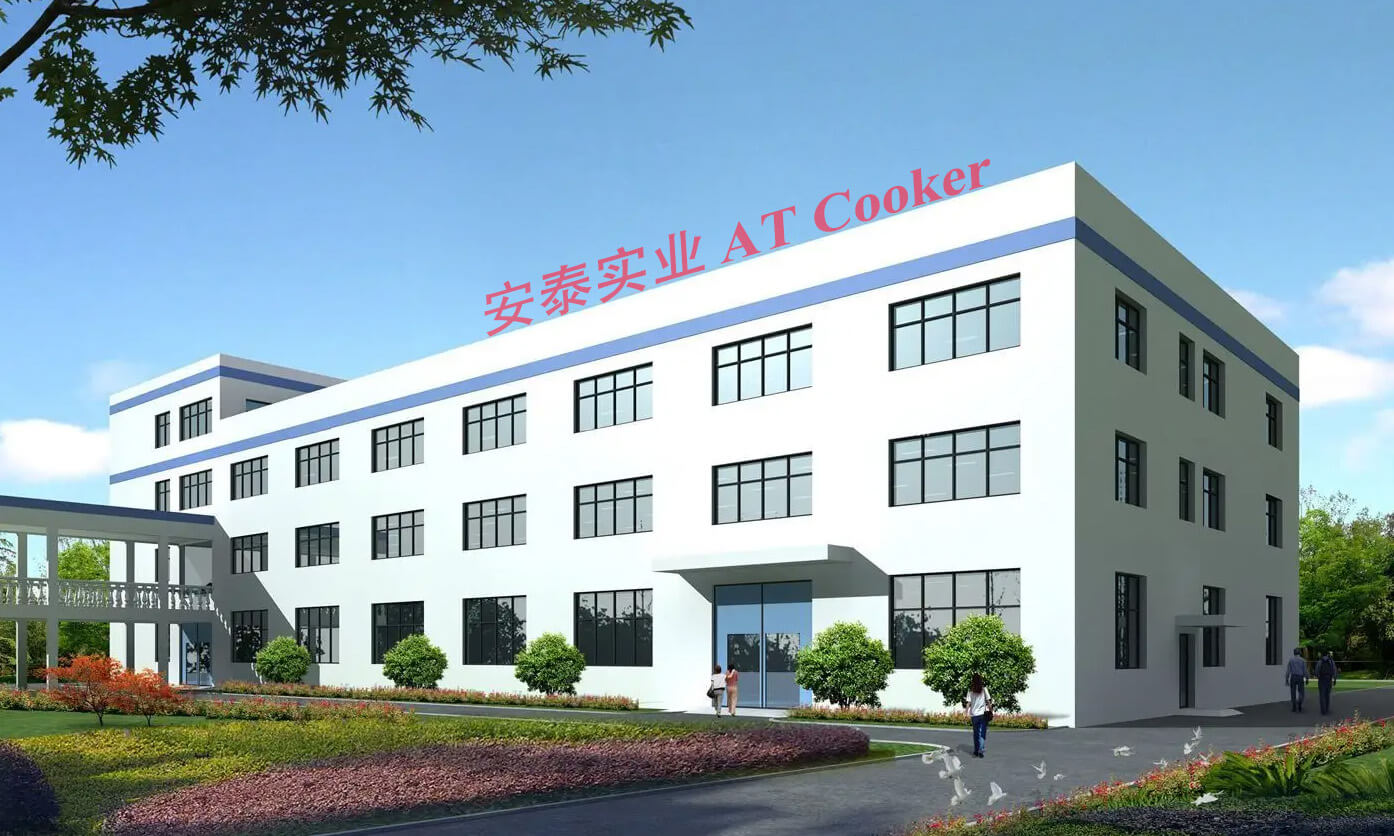
For restaurant owners and procurement managers, the distance between a supplier’s digital presence and their physical reality can be vast. In the realm of heavy-duty equipment, AT Cooker emphasizes that an on-site inspection is the only way to truly gauge the health of a manufacturing operation. Walking the factory floor provides direct insight into the production environment, revealing the cleanliness, organization, and workflow that ultimately dictate the quality of the final product. A chaotic floor often leads to chaotic product performance.
Furthermore, domestic catering practitioners in China and abroad increasingly value the response speed that a well-oiled factory can provide. When you visit a facility, you aren’t just looking at machinery; you are evaluating the culture of the workforce. Are the stations organized? Is there a clear flow of materials? These visual cues are immediate indicators of a supplier’s ability to handle complex orders without bottlenecks. Assessing these physical realities helps confirm whether a supplier is a genuine manufacturer or merely a middleman masking as one.
Decoding the Assembly Line: Assessing Production Capacity
Once inside the facility, the focus must shift to capacity and scalability. Assessing production capacity is critical to confirming order delivery capability, especially for chain restaurants planning rapid expansion. You need to verify that the supplier’s output matches their claims. A robust Commercial Hot Plate Supplier Evaluation involves checking the age and maintenance of the machinery. Advanced CNC machines and automated assembly lines suggest a commitment to precision and volume, whereas outdated manual tools may signal potential inconsistencies in large batches.
Supply chain stability is the invisible backbone of this production capacity. A reliable manufacturer does not operate in a vacuum; they have secured, long-term relationships with component providers. During your evaluation, ask about their inventory levels for critical spare parts and raw materials. This ensures continuous product supply even during market fluctuations, preventing the dreaded “out of stock” notification during your peak season opening.
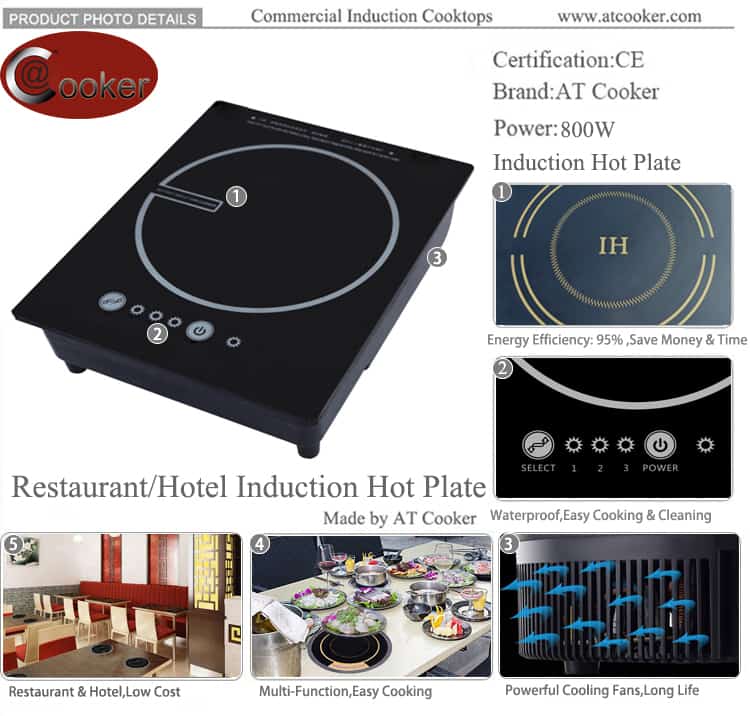
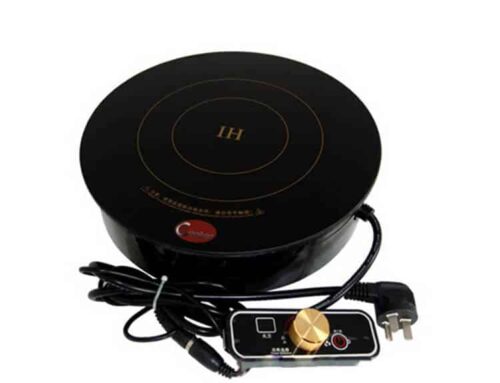
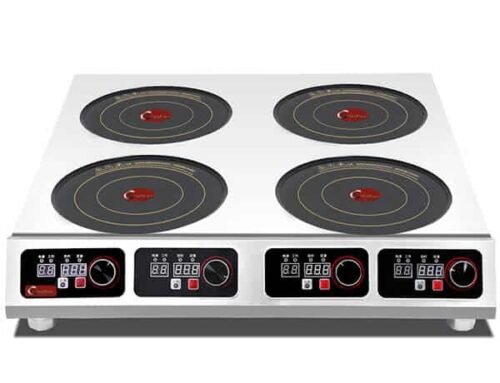
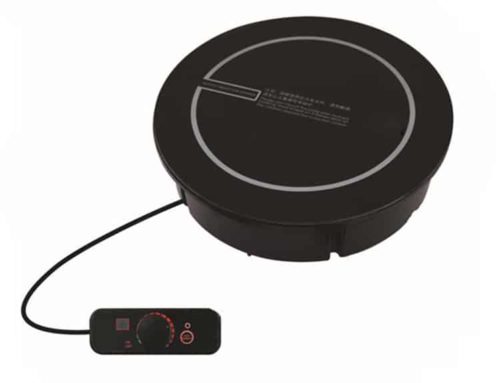
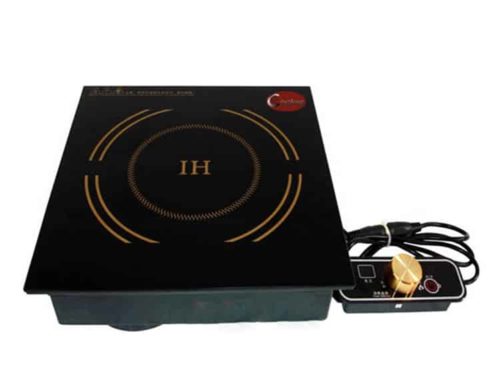
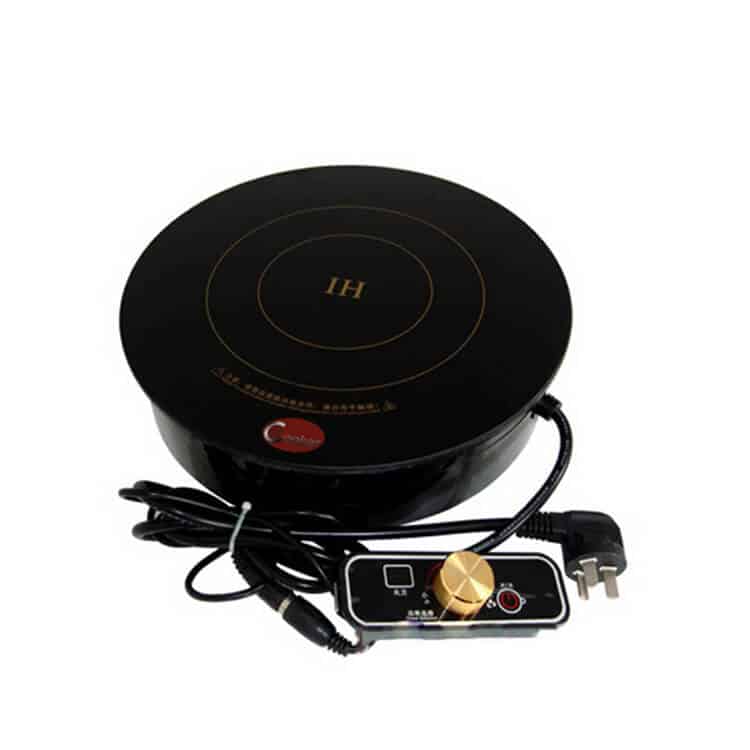
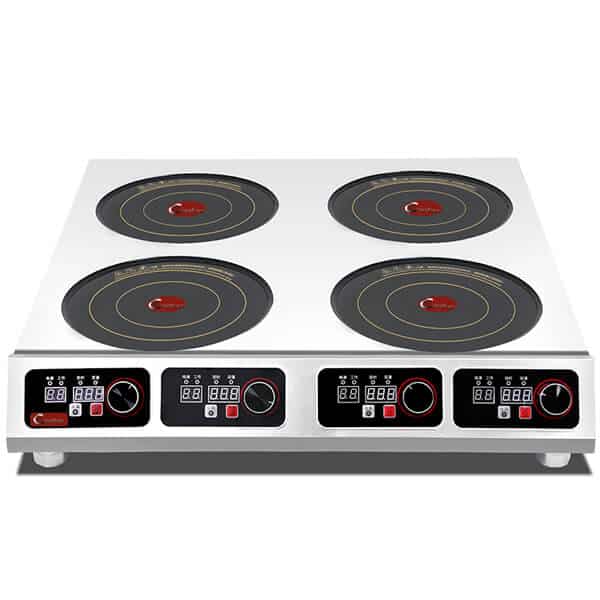
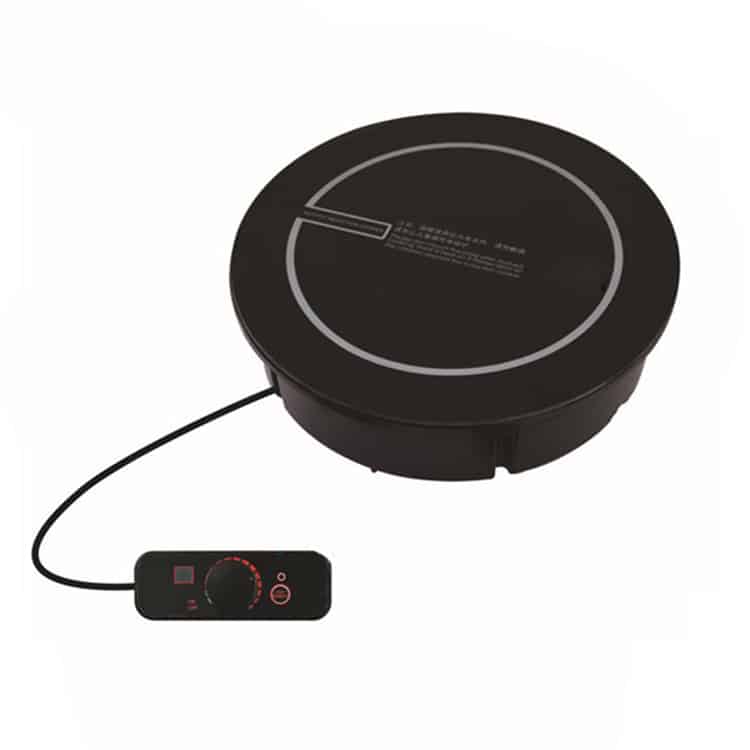
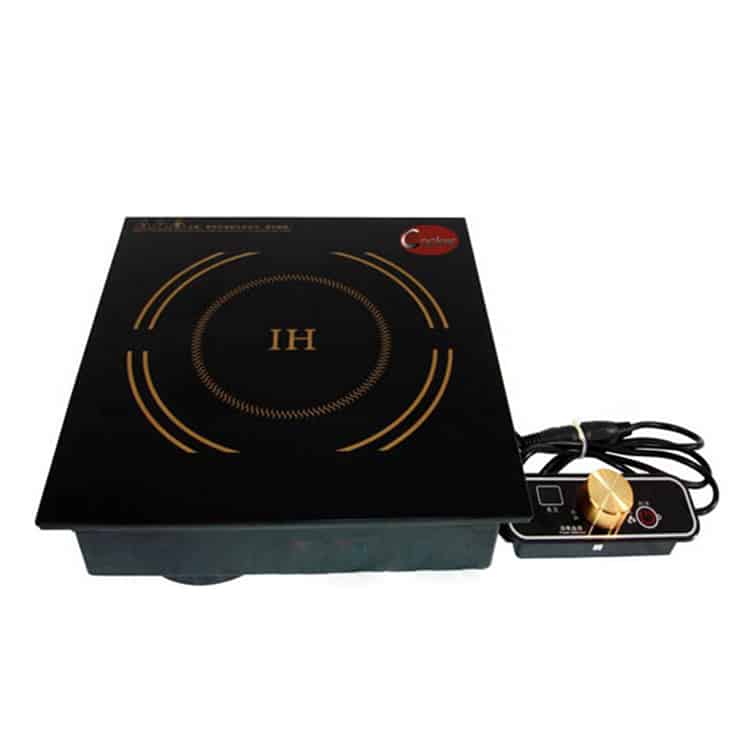
Commercial Kitchen Equipment -from AT Cooker
- As a brand manufacturer of the professional commercial induction cooking equipment, AT Cooker has responded to restaurants’ &
hotels’ needs and research normative commercial cooking equipment using the very latest induction technology. - These seamless, real commercial quality commercial cooking equipment provides us with the opportunity to incorporate equipment of our choice into one seamless, multipurpose cooking equipment creating an efficient, low cost, safe, green and sustainable commercial kitchen.
We have standerd equipment can service many commercial kitchens. - AT Cooker always offers professional service.
From material, design, to producing, we focuse on quality, performance and reliability to ensures the best solution is delivered for each and every one of our customers.
Have a commercial kitchen? We will be one of your best partners.
Work Voltage
| Single-Phase | Three-Phase |
|---|---|
| 120V, 220V | 208V/ 240V, 380V, 480V |
Global In-Stock + Fast Pickup
| US | UK | Germany | France |
|---|---|---|---|
| Italy | Spain | Belgium | Bulgaria |
The Invisible Skeleton: Quality Control and Technical Strength
Reviewing quality control processes ensures product consistency. This is where the difference between a “assembler” and a “manufacturer” becomes stark. A true manufacturer has a documented, multi-stage QC process that includes incoming material inspection, in-process checks, and final aging tests. For example, technical strength is the foundation for long-term supplier cooperation; reliable suppliers often employ automated testing rigs to simulate thousands of hours of usage before a unit is boxed.
In our industry analysis, we have found that checking customer cases verifies Supplier Reliability effectively. While privacy laws may hide some names, a manufacturer should be able to show anonymized data or reference projects that demonstrate their equipment’s longevity in the field.
Quality Control Testing Stages (Hours per Unit)
5-year Warranty | 2-year Free Exchangeable | 1-year Free Return
Certifications and Safety: The Regulatory Litmus Test
Compliance certifications reflect suppliers’ management level. A CE, UL, or ISO certificate is not just a badge; it is proof that the factory has established standardized processes that meet international safety norms. When evaluating a Temperature Controlled Hot Plate, ensure the certification belongs to the factory you are visiting, not a borrowed credential from a third party.
Chinese suppliers often offer flexible customization services, but this flexibility must be grounded in certified safety. Whether it is adjusting the voltage for a European client or modifying the housing for a compact US kitchen, the underlying engineering must remain compliant. This balance of agility and adherence to standards is the hallmark of a mature manufacturing partner.
The After-Sales Reality Check
Finally, do not leave the factory without understanding the support structure. Suppliers’ after-sales service capability affects long-term cooperation significantly. Does the factory have a dedicated spare parts department? Is there a technical team available for remote troubleshooting? AT Cooker advises buyers to test this system before purchase—ask a technical question and measure the time and quality of the response.
A supplier that invests in after-sales infrastructure views you as a partner, not just a transaction. This “service-first” mindset is often the deciding factor when equipment faces the inevitable wear and tear of daily commercial use.
5-year Warranty | 2-year Free Exchangeable | 1-year Free Return