Speed and Precision: Fully Clad Cookware Response on Commercial Induction
5-year Warranty | 2-year Free Exchangeable | 1-year Free Return
In a commercial kitchen, the difference between a perfect reduction and a broken sauce is often measured in seconds. When a chef turns the dial from “Boil” to “Simmer,” they expect the food to react instantly. This quality, known as “Responsiveness,” is the hallmark of fine dining.
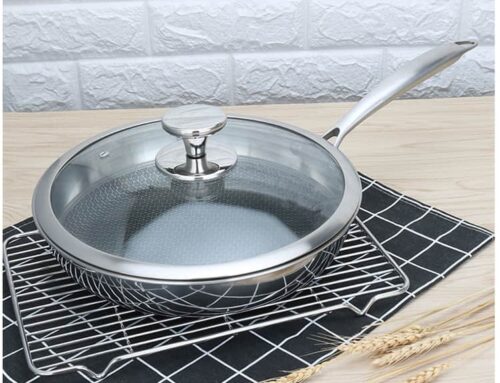
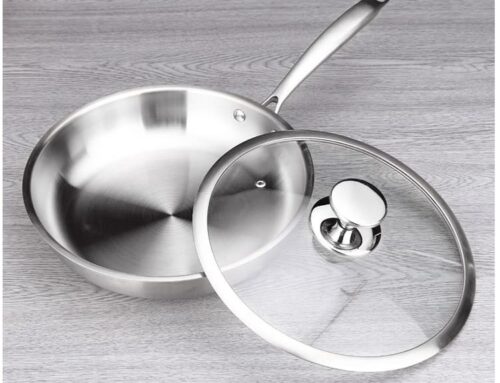
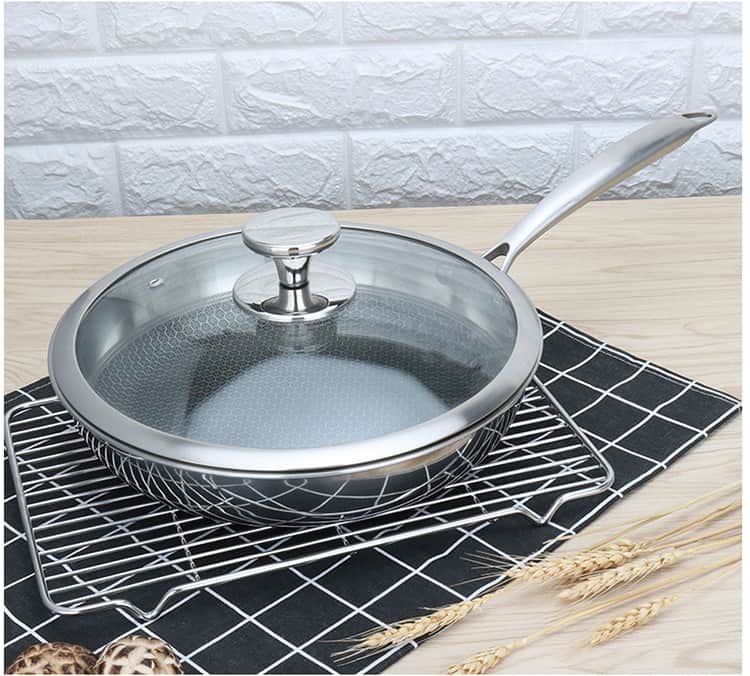
While commercial induction cookers are capable of instant adjustments, the cookware often lags behind. Traditional “Disc-Bottom” pots are slow to react. The solution? Fully clad induction cookware responsiveness. By fusing layers of conductive aluminum all the way up the sidewalls, AT Cooker‘s Tri-Ply cookware matches the speed of the induction generator, giving chefs the ultimate control over their culinary creations.
Commercial Kitchen Equipment -from AT Cooker
- As a brand manufacturer of the professional commercial induction cooking equipment, AT Cooker has responded to restaurants’ & hotels’ needs and research normative commercial cooking equipment using the very latest induction technology.
- These seamless, real commercial quality commercial cooking equipment provides us with the opportunity to incorporate equipment of our choice into one seamless, multipurpose cooking equipment creating an efficient, low cost, safe, green and sustainable commercial kitchen. We have standerd equipment can service many commercial kitchens.
- AT Cooker always offers professional service. From material, design, to producing, we focuse on quality, performance and reliability to ensures the best solution is delivered for each and every one of our customers. Have a commercial kitchen? We will be one of your best partners.
Work Voltage
| Single-Phase | Three-Phase |
|---|---|
| 120V, 220V | 208V/ 240V, 380V, 480V |
Global In-Stock + Fast Pickup
| US | UK | Germany | France |
|---|---|---|---|
| Italy | Spain | Belgium | Bulgaria |
1. The Physics of Thermal Conductivity: How the Aluminum Core Drivers Speed
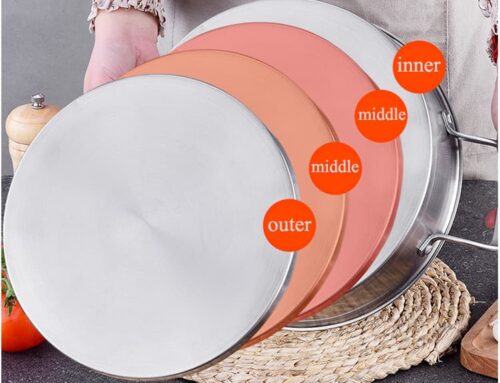
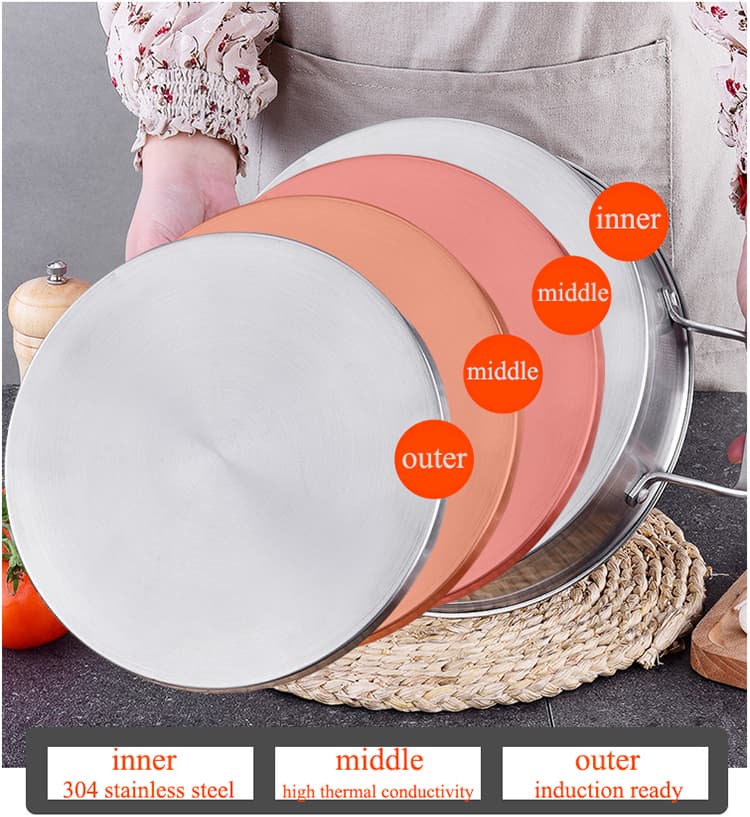
Stainless steel is durable but a poor conductor of heat. Aluminum is an excellent conductor but not magnetic. Fully Clad (Tri-Ply) cookware solves this by sandwiching a thick aluminum core between steel layers.
This aluminum core acts as a “thermal highway.” When the induction coil excites the outer steel layer, the aluminum instantly grabs that heat and races it across the entire vessel. This physics advantage allows tri-ply cookware heat conductivity to be nearly instantaneous, minimizing the lag between knob turn and temperature change.
2. Comparing “Ramp-Up” Velocity: Clad vs. Disc-Bottom on High Power
When you blast 3500W of power, a “Disc-Bottom” pan heats the disc first. The heat then slowly crawls up the thin, single-layer steel walls. This creates a delay.
With fully clad cookware, the entire body heats up in unison. The “Ramp-Up” velocity is significantly faster because the thermal mass is distributed, not concentrated. This means water boils faster and pans reach searing temperatures in seconds, maximizing the potential of commercial induction temperature control.
3. The “Cool-Down” Factor: Preventing Carryover Cooking When Power is Cut
Responsiveness isn’t just about getting hot; it’s about stopping. Disc-bottom pans hold a massive amount of heat in the base. When you turn the power off, that disc continues to cook the food (Carryover Cooking).
Fully clad pans have a more balanced thermal mass. When you cut the power, the heat dissipates much faster. This gives chefs the ability to “brake” the cooking process instantly—essential for delicate sauces like Hollandaise or Custard.
4. Lateral Heat Distribution: Why Sidewall Temperature Matters for Response
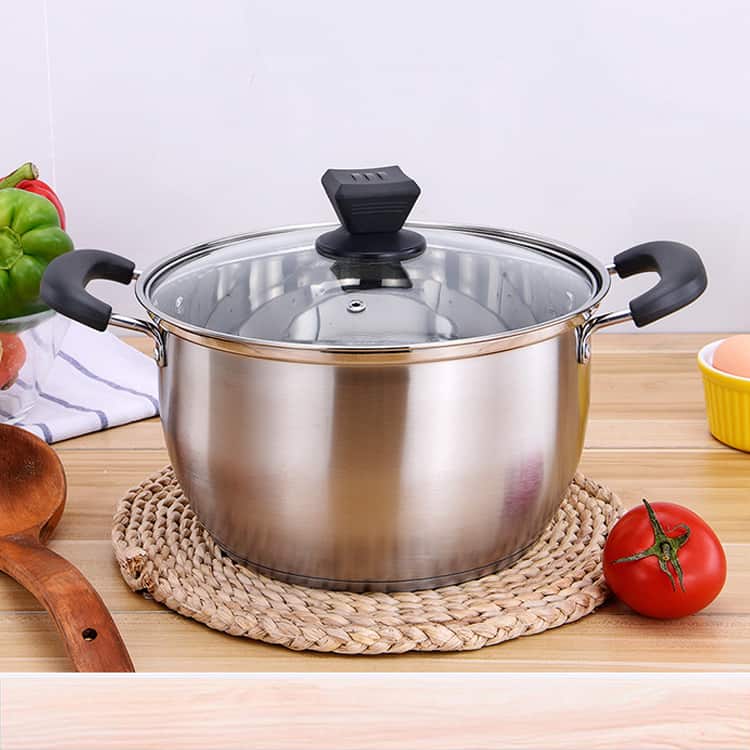
In a disc-bottom pan, the sidewalls are cold. In a fully clad pan, the sidewalls cook too. This surrounds the food with heat from all directions.
This “Surround Heat” effect means you can cook at lower power settings while achieving the same results. It also speeds up reduction times for sauces, as liquid evaporates from the hot sides as well as the bottom.
5. The Impact of Disc-Bottom Air Gaps on Thermal Latency and Lag
Many cheaper “Impact Bonded” pans have microscopic air gaps between the disc and the body. Air is an insulator.
These gaps create “Thermal Latency”—a lag where the induction works hard, but the heat struggles to jump the gap. Fully clad cookware is roll-bonded under immense pressure, fusing the metals into a solid sheet. There are no gaps, resulting in zero stainless steel pan thermal latency.
6. Matching Induction Frequency: How Cladding Thickness Affects Magnetic Coupling
Commercial induction operates at 20-30kHz. The thickness of the magnetic steel layer affects how well it “couples” with this frequency.
AT Cooker’s cladding is engineered with a specific gauge of 430-grade ferritic steel on the exterior. This optimization ensures maximum magnetic flux absorption, translating electrical energy into heat with 95%+ efficiency, further enhancing speed.
7. Preventing “Temperature Overshoot” During Delicate Chocolate Tempering
When melting chocolate, you need 45°C, not 50°C. Heavy disc bottoms act like flywheels; once they get momentum, they keep going, leading to “Temperature Overshoot.”
Clad cookware is more agile. It stops heating the moment the sensor says stop. This precision prevents scorching and allows for direct-pan tempering without a water bath.
5-year Warranty | 2-year Free Exchangeable | 1-year Free Return
8. The Role of 18/10 Stainless Steel Interiors in Smoothing Out Heat Spikes
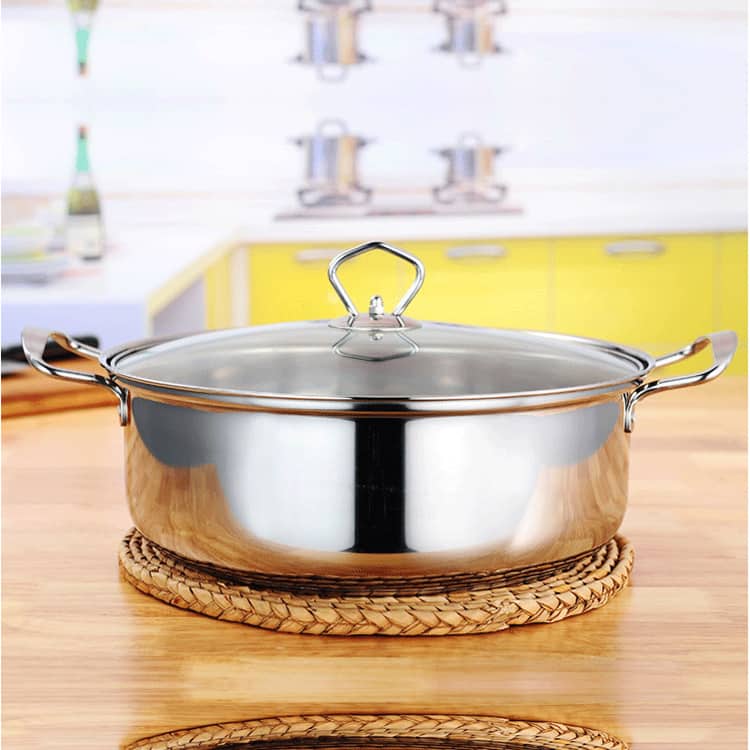
The interior layer matters too. We use 18/10 (304) stainless steel. While not a great conductor, its low thermal conductivity actually helps smooth out the intense “spikes” of heat from the induction coil.
It acts as a final filter, ensuring the heat reaching the food is even and gentle, preventing localized burning even if the coil power pulses.
9. Durability and Performance: Do Warp-Resistant Clad Pans Maintain Better Sensor Accuracy?
As discussed in previous articles, warping kills performance. Clad cookware is structurally superior because the layers reinforce each other.
A flat pan stays in perfect contact with the glass sensors. This physical stability ensures that the “temperature feedback loop” remains accurate over years of service, maintaining the precision cooking equipment standards required by chefs.
10. Cost vs. Control: Is the Price Premium of Full Cladding Justified for Saucier Stations?
Fully clad pans cost more. Is it worth it? For boiling water? Maybe not. For a Saucier station? Absolutely.
The labor cost of a ruined sauce or the reputation cost of inconsistent food far outweighs the price of the pan. For fine dining induction cookware, full cladding is an investment in consistency.
11. The “Huo Hou” Connection: How Instant Material Response Replicates Traditional Wok Control
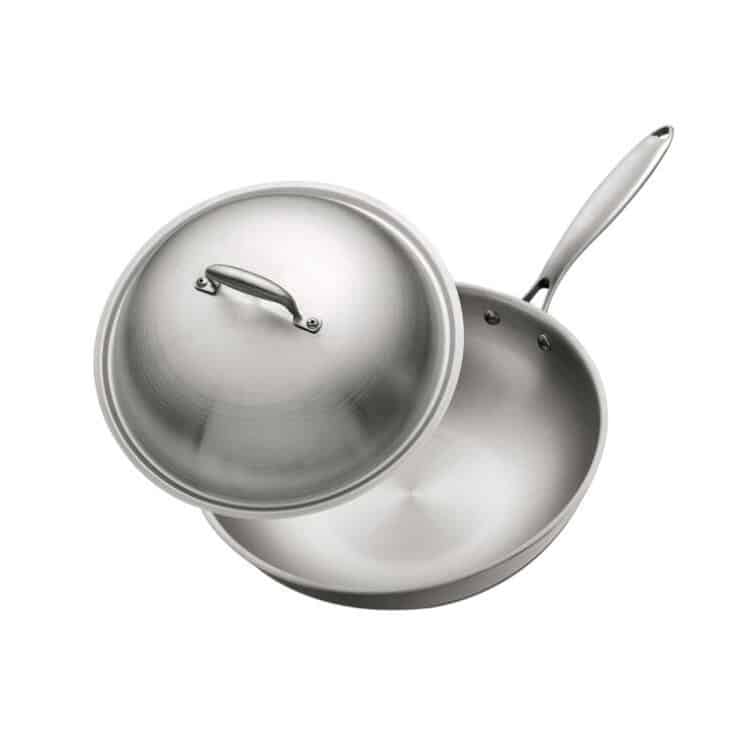
In Chinese cuisine, “Huo Hou” (control of fire) is everything. It relies on the chef’s ability to manipulate heat instantly.
Clad cookware on induction is the closest modern equivalent to a gas wok. It gives the chef “digital Huo Hou”—the ability to sear, then simmer, then glaze, all within seconds, simply by turning a dial.
12. Analyzing “Re Min Du” (Heat Sensitivity): Why Professional Chefs Reject Composite Discs
Professional chefs talk about “Re Min Du” (Heat Sensitivity). They want the pan to feel like an extension of their hand.
Composite discs feel “numb” or sluggish. Clad cookware feels “alive” and reactive. This tactile feedback is why impact bonded vs clad performance comparisons always favor clad in professional taste tests.
5-year Warranty | 2-year Free Exchangeable | 1-year Free Return
Final Thoughts: The Need for Speed
You bought a fast induction cooker. Don’t slow it down with slow pans. Upgrade to AT Cooker fully clad cookware and experience the true speed and precision your kitchen is capable of.
Experience True Precision
Equip your kitchen with cookware that keeps up with your chefs. Contact us for our commercial clad series.