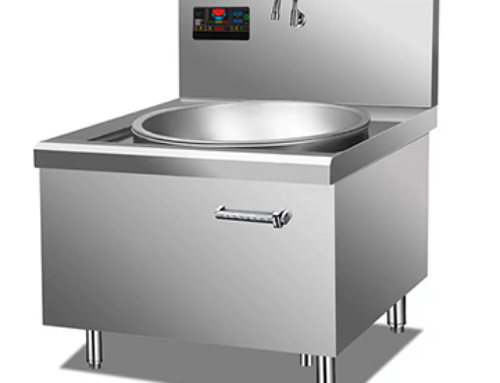
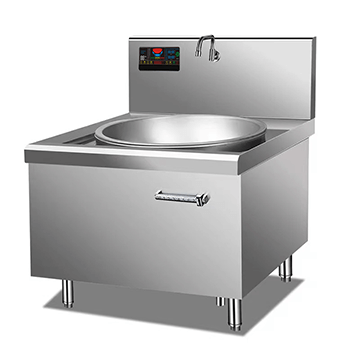
A range with wok burner relies on construction materials to withstand 900°F heat, frequent cleaning, and daily use. Material choice (stainless steel, carbon steel, cast iron, aluminum) directly impacts rust resistance, warping, and wear. AT Cooker’s commercial wok stations combine high-quality materials for durability and performance.
1. Stainless Steel: Corrosion Resistance for Frames
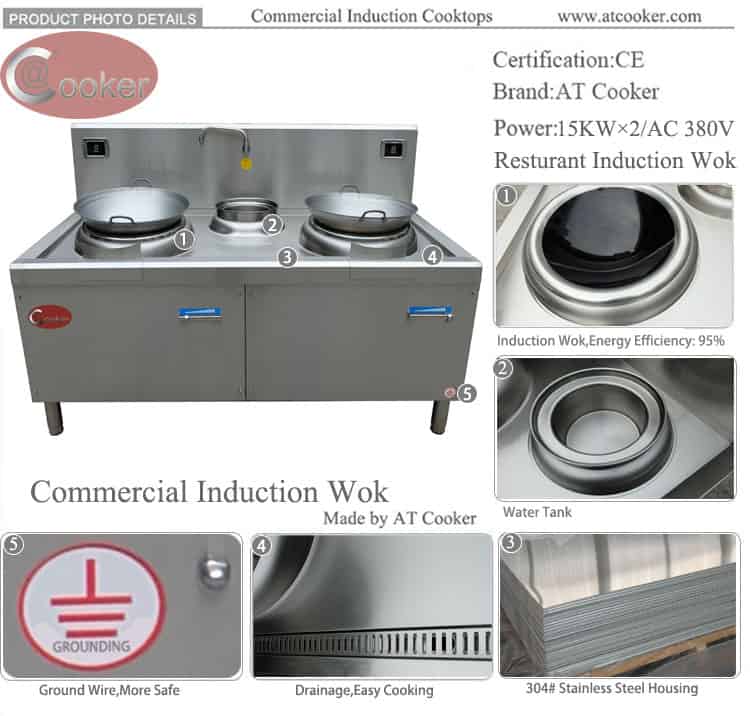
304# stainless steel (18% Cr, 8% Ni) creates protective oxide layer against rust, staining, corrosion. AT Cooker uses 2.5mm-thick 304# SS—50% thicker than budget models (1.5mm). A LA Chinese restaurant: “4 years, housing still looks new—no rust after daily degreaser cleaning. Old station rusted in 18 months.” Extends lifespan 3-5 years vs painted steel.
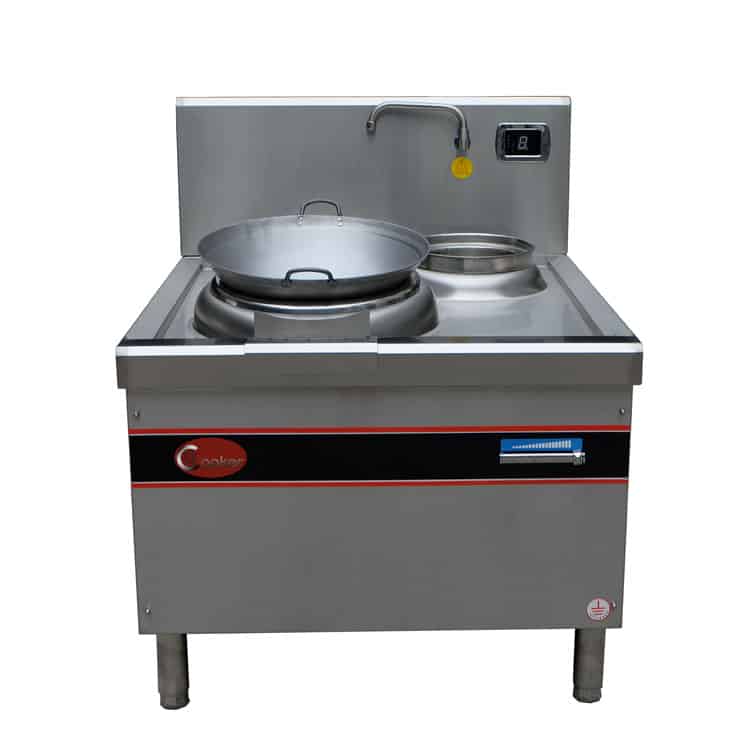
2. Carbon Steel: Fast, Even Heating for Wok Surfaces
Carbon steel (1.2-2mm) conducts heat 2x faster than SS, distributes evenly for consistent searing. AT Cooker’s surfaces are pre-seasoned (oil-coated, baked) to prevent rust, create non-stick layer. An Austin caterer: “Heats in 2 min—faster than cast iron. Seasoning gets better with use. No sticking in 2 years.” Thick (2mm) resists warping; thin (1.2mm) may warp after 1-2 years.
3. Cast Iron: Excellent Heat Retention, Heavier
Cast iron maintains temperature when cold ingredients added—reduces cooking time. But heavy (30-40 lbs surface), prone to rust if not dried. A Chicago diner: “Heat retention amazing, but must dry immediately. Forgot once—rusted overnight, $150 to re-season.” Well-maintained: 10+ years; poor care: 2-3 years.
| Матеріал | Uses | Durability Traits | Lifespan | Maintenance |
|---|---|---|---|---|
| 304# SS | Frames, panels | Corrosion/impact resistant | 5-8 yrs | Daily wipe |
| Carbon Steel (2mm) | Cooking surfaces | Fast heating, warp-resistant | 4-6 yrs | Monthly re-season |
| Cast Iron | High-heat surfaces | Superior heat retention | 8-12 yrs | Daily dry, weekly season |
| Aluminum | Brackets, knobs | Lightweight | 2-3 yrs | Quarterly inspect |
4. Aluminum: Lightweight but Less Durable
Aluminum (1/3 weight of steel) for non-structural parts: brackets, knobs, supports. Soft, low melting point (1,220°F). A Miami food truck: “Aluminum brackets bent after 6 months. AT Cooker SS brackets: no wear in 2 years.” Typically need replacement every 2-3 years. Never for cooking surfaces.
304# SS
Frames/housings
Carbon Steel
Cooking surfaces
Aluminum
Non-structural
5. Stainless Steel Frames: Structural Durability
SS frames bear weight of cooking surface, wok, ingredients. Reinforced with cross-braces, resist bending even at 50+ lbs. AT Cooker’s 48-inch has 4 cross-braces, supports 100 lbs. A Las Vegas hotel: “20-lb woks daily, frame hasn’t bent. Old station warped after 1 year.” SS frames don’t trap debris—reduces bacterial growth and corrosion risk.
Customer Story: Li, Chicago: “Switched to AT Cooker SS station because old painted steel frame rusted through. Even with daily splatters, frame stays strong and rust-free. Most durable station we’ve owned.”
6. Carbon Steel: Natural Seasoning Improves Non-Stick
Carbon steel develops polymerized oil “seasoning” over time—fills pores, improves non-stick 70%, adds rust protection. AT Cooker’s pre-seasoned surfaces skip 2-3 weeks break-in. A Seattle restaurant: “Used station day it arrived. Seasoning gets better every month.” Well-seasoned resists rust and scratches better than unseasoned.
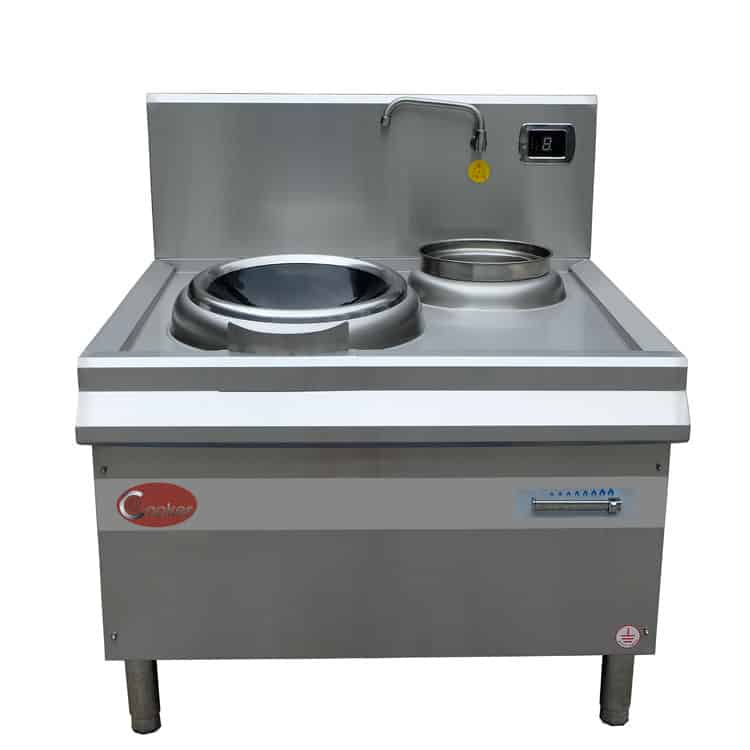
7. Cast Iron: High Heat Tolerance, Rust-Prone
Cast iron withstands 1,200°F (vs carbon steel 900°F). Retains heat longer, reducing energy 10-15%. But porous—vulnerable to rust if not dried immediately. A NY steakhouse: “Left wet overnight, rust spots. Had to sand and re-season—4 hours.” With care: 8-12 years; without: 2-3 years.
8. Stainless Steel Resists Rust and Staining
Unlike painted steel (chips/rusts) or aluminum (oxidizes), SS maintains integrity when exposed to:
- Acidic sauces (soy, vinegar) that eat other metals
- Water from daily cleaning/spills
- Oil splatters that bake onto surfaces
Why 304# SS Outperforms
- Corrosion: 5,000+ salt spray cycles (ASTM B117)
- Impact: 2.5mm resists 10-lb tool drops
- Heat: Maintains strength to 1,400°F
- Hygiene: Non-porous, meets FDA standards
9. Carbon Steel: Affordable but May Warp If Thin
Carbon steel 30-40% cheaper than cast iron/SS. But thin (1.2mm) warps at 800°F+. AT Cooker uses 2mm-thick carbon steel, tested to 900°F without warping. A Miami diner: “Old 1.2mm warped after 6 months—hot spots everywhere. 2mm stayed flat 3 years.” Thick: 4-6 years; thin: 1-2 years.
10. Aluminum Parts Wear Faster in Heavy Use
Aluminum softness causes wear in high-use settings:
- Knobs: Crack/strip after 100+ turns/day
- Brackets: Bend under heavy wok weight
- Heat shields: Warp from direct burner heat
AT Cooker minimizes aluminum—only for low-stress parts like cable covers. A food truck operator: “Aluminum cable cover intact after 2 years. Old station’s aluminum knobs broke in 6 months.”
11. Durability Depends on Thickness and Build Quality
Material thickness and build quality matter as much as material choice:
- 2.5mm SS frame = 2x more durable than 1.5mm
- Welded edges resist cracking better than riveted
- Reinforced corners prevent impact bending
Customer Story: CA restaurant chain: “Tested 5 brands—AT Cooker 2.5mm SS and 2mm carbon steel were thickest. Maintenance costs dropped 40% after switching.”
12. Proper Maintenance Prolongs Life Regardless of Material
AT Cooker recommended routine for all wok stations:
- Daily: Wipe SS frames; dry carbon/cast iron immediately
- Weekly: Re-season carbon/cast iron; inspect SS for scratches
- Monthly: Tighten bolts; check aluminum for wear
- Жил бүр: Deep-clean SS; replace worn aluminum parts
A hotel kitchen following this routine: 90% original performance after 5 years. “15 min/week maintenance—saved from buying new station.”
13. SS Frame + Carbon Steel Surface = Best Balance
Optimal combination: 304# SS frame (durability) + 2mm carbon steel cooking surface (performance). Resists rust/impacts while delivering fast, even heating. AT Cooker’s entire commercial wok lineup uses this combination—favored by 1,000+ kitchens. A SF chef: “SS keeps station strong, carbon steel keeps cooking perfect. Best of both worlds.”
What is the most durable material for wok station construction?
304# stainless steel is the most durable for frames and housings, lasting 5-8 years in commercial use. It resists rust, corrosion, and impacts. For cooking surfaces, 2mm carbon steel offers the best balance of durability and performance at 4-6 years lifespan.
How long do commercial wok stations typically last?
With proper maintenance, a quality wok station lasts 5-12 years. Stainless steel frames last 5-8 years; carbon steel cooking surfaces last 4-6 years; cast iron surfaces last 8-12 years if properly maintained. Budget stations with thin materials may fail in 1-2 years.
Does carbon steel warp on wok stations?
Thin carbon steel (1.2mm or less) can warp at 800°F+ after 6-12 months. AT Cooker uses 2mm-thick carbon steel, tested to withstand 900°F without warping. Thick carbon steel lasts 4-6 years vs 1-2 years for thin gauge.
What maintenance do wok stations require?
Daily: wipe stainless steel, dry carbon steel/cast iron immediately. Weekly: re-season carbon/cast iron surfaces with vegetable oil. Monthly: tighten frame bolts, inspect aluminum parts. Annually: deep-clean stainless steel, replace worn components. Total: 15 minutes per week.
Is cast iron or carbon steel better for wok cooking surfaces?
Carbon steel heats 2x faster and is lighter, making it better for most commercial wok cooking. Cast iron retains heat longer but weighs 30-40 lbs and requires immediate drying after cleaning. Carbon steel is the preferred choice for high-volume stir-frying; cast iron suits specialized high-heat searing.
Get a Durable Commercial Wok Station
Share your cooking volume and needs—we’ll recommend the right materials for long-lasting performance.