Keeping Customers Cool: Tabletop Commercial Induction Pasta Cooker Advantages
5-year Warranty | 2-year Free Exchangeable | 1-year Free Return
In the modern noodle bar or bistro, the “Open Kitchen” (Ming Dang) is a powerful tool for attracting customers. Diners love the theater of cooking. However, there is a hidden enemy in this layout: Heat. Traditional gas boilers radiate intense waves of thermal energy, turning the coveted counter seats into an uncomfortable sauna. If your customers are sweating, they aren’t enjoying the food, and they won’t stay for dessert.
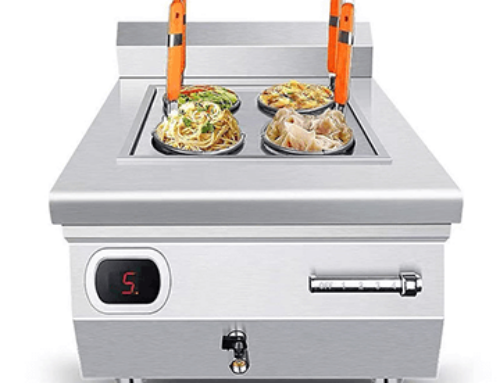
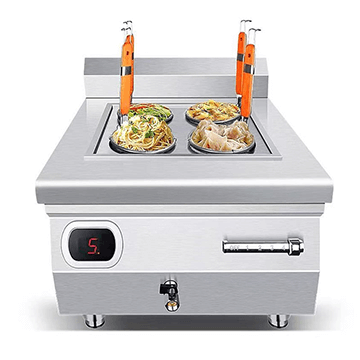
The solution lies in shifting from gas to a tabletop commercial induction pasta cooker. At AT Cooker, we engineer compact units that keep the heat in the water, not in the air. By adopting this technology, restaurateurs can transform their front-of-house operations, creating a cool, comfortable, and efficient dining environment that encourages return visits.
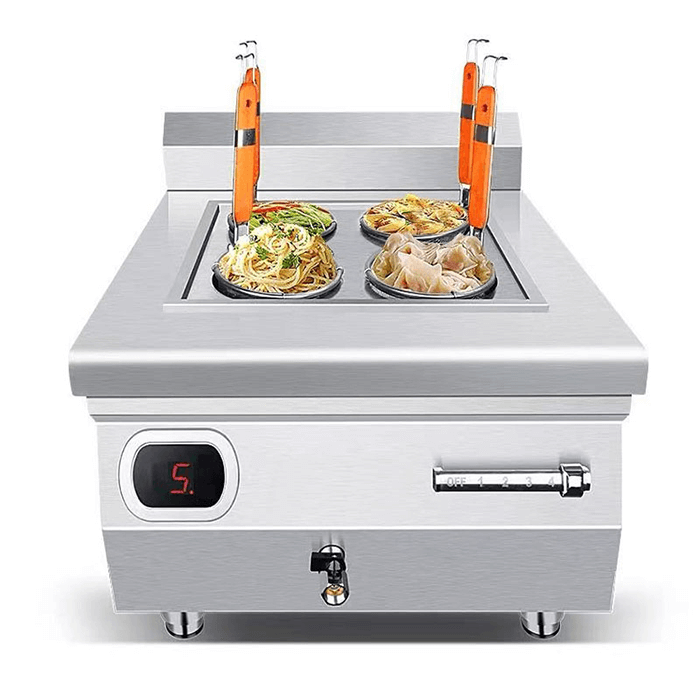
Commercial Kitchen Equipment -from AT Cooker
- As a brand manufacturer of the professional commercial induction cooking equipment, AT Cooker has responded to restaurants’ & hotels’ needs and research normative commercial cooking equipment using the very latest induction technology.
- These seamless, real commercial quality commercial cooking equipment provides us with the opportunity to incorporate equipment of our choice into one seamless, multipurpose cooking equipment creating an efficient, low cost, safe, green and sustainable commercial kitchen. We have standerd equipment can service many commercial kitchens.
- AT Cooker always offers professional service. From material, design, to producing, we focuse on quality, performance and reliability to ensures the best solution is delivered for each and every one of our customers. Have a commercial kitchen? We will be one of your best partners.
Work Voltage
| Single-Phase | Three-Phase |
|---|---|
| 120V, 220V | 208V/ 240V, 380V, 480V |
Global In-Stock + Fast Pickup
| US | UK | Germany | France |
|---|---|---|---|
| Italy | Spain | Belgium | Bulgaria |
1. The Thermodynamics of Dining: Why Induction Keeps Counter Seating Areas Cool
A gas burner is only 40-50% efficient. This means over half of the energy you pay for is wasted, heating up the air instead of the water. In an open kitchen, this waste heat rolls over the counter and hits the customer in the face.
Induction is 90-95% efficient. The heat is generated directly inside the pasta tank. There is virtually no waste heat escaping into the dining area. This thermodynamic advantage keeps the “micro-climate” of your counter seating pleasant, even during peak service.
2. Quantifying Radiant Heat: Comparing Gas Boiling Pots vs. Induction at Customer Distance
Stand 1 meter away from a 15KW gas wok burner, and you can feel the heat radiating. Stand 1 meter away from a 5KW induction pasta cooker, and you feel nothing.
This difference is measurable. Reducing restaurant ambient heat improves the “Thermal Comfort Zone” for guests sitting at the bar. They can enjoy their hot noodles without sweating, which directly enhances their perception of the dining experience.
3. HVAC Efficiency: Reducing the Cooling Load for Front-of-House Air Conditioning
Every BTU of heat your gas equipment pumps into the room is a BTU your air conditioner must remove. This is a double penalty on your utility bill.
By switching to an energy efficient restaurant design using induction, you drastically lower the ambient temperature load. This allows your HVAC system to work less, saving thousands of dollars annually in electricity and maintenance costs.
4. Customer Retention Strategy: How Thermal Comfort Affects Reviews and Repeat Visits
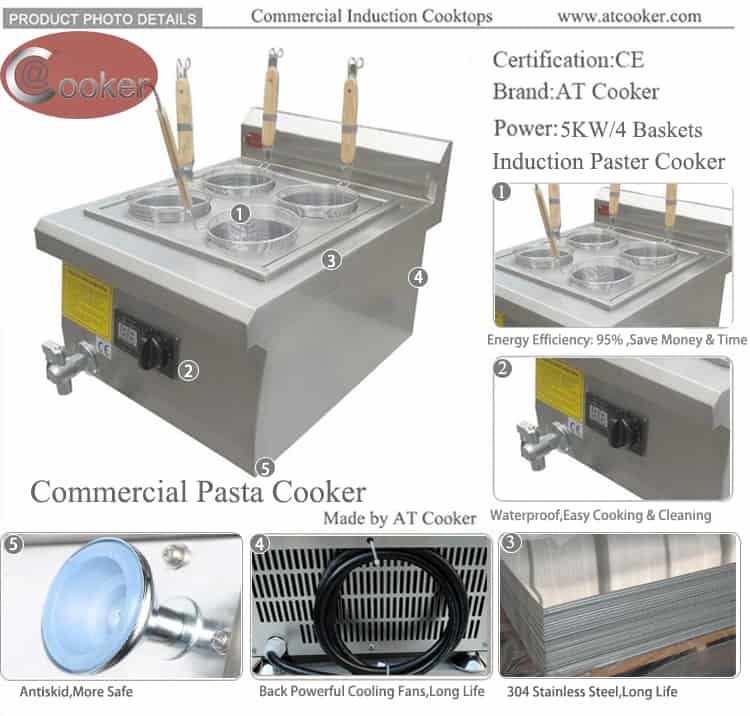
Customers may not complain about the heat, but they simply won’t come back. “The food was good, but it was too hot in there” is a common review killer.
Creating a cool, comfortable environment encourages diners to linger, order another drink, and return with friends. Thermal comfort is a silent but powerful driver of customer retention.
5. Safety Zones: Eliminating Open Flame Risks Near Customer Seating Areas
Open flames near customers are a liability. A napkin can blow into the fire; a child can reach too close.
Tabletop induction units are flameless. The exterior remains relatively cool to the touch compared to gas grates. This safety feature allows you to place the cooking station closer to the diners (building intimacy) without violating fire codes or risking injury.
6. Humidity Control: Managing Steam Dispersal in Compact Noodle Bar Layouts
Gas combustion produces water vapor as a byproduct, adding to the humidity of the room. A boiling pasta pot adds even more.
Induction produces zero combustion moisture. While the boiling water still creates steam, the overall humidity load is significantly lower. This prevents the “sticky” feeling often associated with small, crowded noodle shops.
7. Acoustic Comfort: Replacing the Roar of Gas Burners with Silent Magnetic Operation
The roar of a jet burner can reach 80 decibels, forcing customers to shout to be heard. This destroys the ambiance.
AT Cooker’s open kitchen noodle boiler operates silently. The only sound is the gentle bubbling of water. This acoustic comfort allows for quiet conversation and background music, elevating the perceived quality of your establishment.
8. Visual Appeal: The Sleek Aesthetic of Glass-Ceramic vs. Greasy Cast Iron Grates
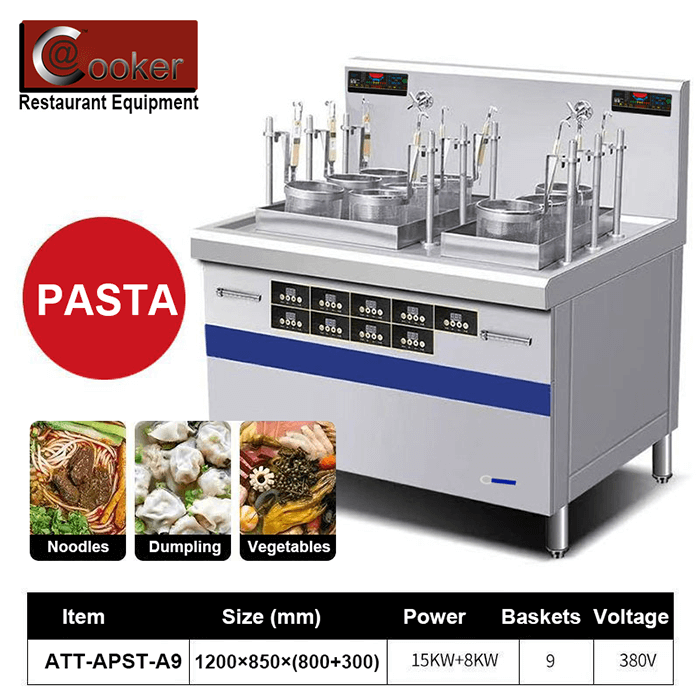
In an open kitchen, your equipment is part of the decor. Gas burners accumulate carbon buildup and grease that is hard to clean and unsightly.
Induction units feature sleek stainless steel bodies and smooth surfaces that wipe clean instantly. They look modern, professional, and hygienic—exactly what you want your customers to see.
9. Odor Management: Reducing the “Burnt Gas” Smell in Intimate Dining Spaces
Unburned gas and combustion byproducts create a distinct “kitchen smell” that can overpower the aroma of the food.
Induction is odorless. By removing the gas fumes, you allow the pure scent of your broth and ingredients to take center stage, enhancing the olfactory experience for your guests.
10. Interaction Quality: Allowing Chefs to Converse with Guests Without Heat Exhaustion
A chef standing over a hot gas stove for 8 hours is exhausted and irritable. A chef working on induction is cool and composed.
This physical comfort allows the chef to interact positively with guests, explaining dishes and building relationships. Happy staff leads to happy customers.
11. The “Ming Dang” (Transparent Kitchen) Effect: Building Trust Through Visible Hygiene
The “Ming Dang” trend is about trust. Customers want to see that their food is prepared in a clean environment.
The clean, minimalist look of the compact induction pasta machine reinforces this image of hygiene. There are no hidden corners for grime to hide, projecting an image of clinical cleanliness that modern diners value highly.
12. Maximizing “Ping Xiao”: How Compact Cool-Touch Units Allow More Seats
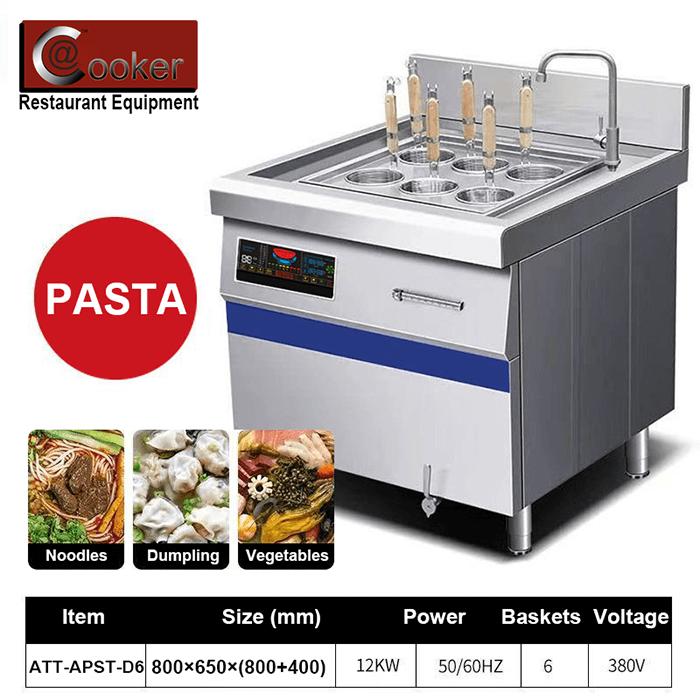
“Ping Xiao” (Efficiency per Square Meter) is the ultimate metric. Gas equipment requires large clearances for fire safety and heat dissipation.
Cool-touch induction units can be placed tighter against walls and closer to customers. This space-saving design might allow you to add 2-3 extra seats at the bar. Over a year, those extra seats translate into significant revenue.
5-year Warranty | 2-year Free Exchangeable | 1-year Free Return
Final Thoughts: Cool Kitchens, Hot Profits
Don’t let heat kill your business. Switch to AT Cooker tabletop induction pasta cookers to create a dining environment that is as cool as it is profitable. It’s the smartest upgrade for any front-of-house operation.
Upgrade Your Open Kitchen Today
Transform your customer experience with our cool, efficient, and compact induction solutions.