5-Year Warranty | 2-Year Free Exchange | 1-Year Free Return
Commercial Kitchen Equipment – from AT Cooker
- ✔As a brand manufacturer of the professional commercial induction cooking equipment, AT Cooker has responded to restaurants’ & hotels’ needs and research normative commercial cooking equipment using the very latest induction technology.
- ✔These seamless, real commercial quality commercial cooking equipment provides us with the opportunity to incorporate equipment of our choice into one seamless, multipurpose cooking equipment creating an efficient, low cost, safe, green and sustainable commercial kitchen. We have standerd equipment can service many commercial kitchens.
- ✔AT Cooker always offers professional service. From material, design, to producing, we focuse on quality, performance and reliability to ensures the best solution is delivered for each and every one of our customers. Have a commercial kitchen? We will be one of your best partners.
Global In-Stock + Fast Pickup
1. The Thermodynamics of Sweat: Measuring Ambient Heat Differences Between Gas and Induction
A typical 5KW gas burner creates an ambient temperature zone of 45-50°C around the chef’s upper body. This is the “Heat Envelope.” The human body sweats to cool down, but in this envelope, sweat doesn’t evaporate efficiently.
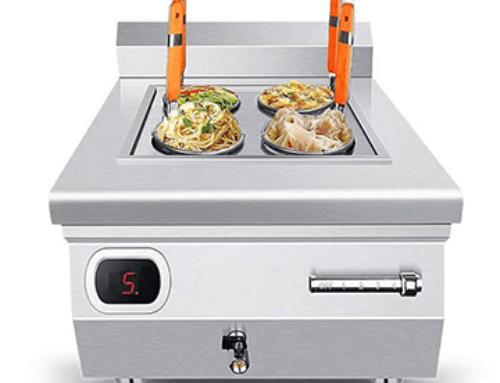
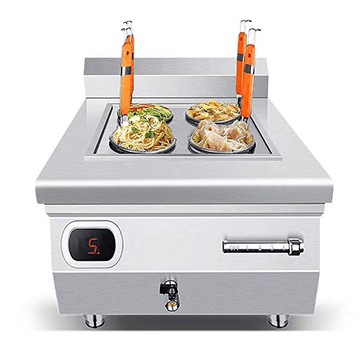
The ATT-APST C5 operates with 95% efficiency, meaning almost zero waste heat escapes. The ambient temperature around an induction station remains near room temperature (25°C). This massive 20°C difference is what keeps your chef dry, focused, and comfortable.
2. Customer Perception: Why a “Sweaty Chef” Damages the Open Kitchen Dining Experience
In an open kitchen, the chef is part of the ambiance. Seeing a chef who is flushed, sweating profusely, and visibly uncomfortable creates a subconscious negative reaction in diners. It signals stress and potentially poor hygiene.
A cool, composed chef working with sleek induction equipment projects professionalism and control. This positive visual reinforces the quality of your brand and puts customers at ease.
3. HVAC Load Analysis: Reducing Air Conditioning Strain in Compact Noodle Bars
Small noodle bars often struggle with air conditioning. The heat load from boiling water pots overwhelms the AC, leaving the dining room humid and stuffy.
By switching to a countertop noodle boiler efficiency model, you remove the primary heat source. This allows your existing AC system to actually cool the room, rather than just fighting the kitchen equipment, creating a refreshing oasis for your guests.
4. Safety Zones: Eliminating Radiant Heat Burns in Tight Countertop Workspaces
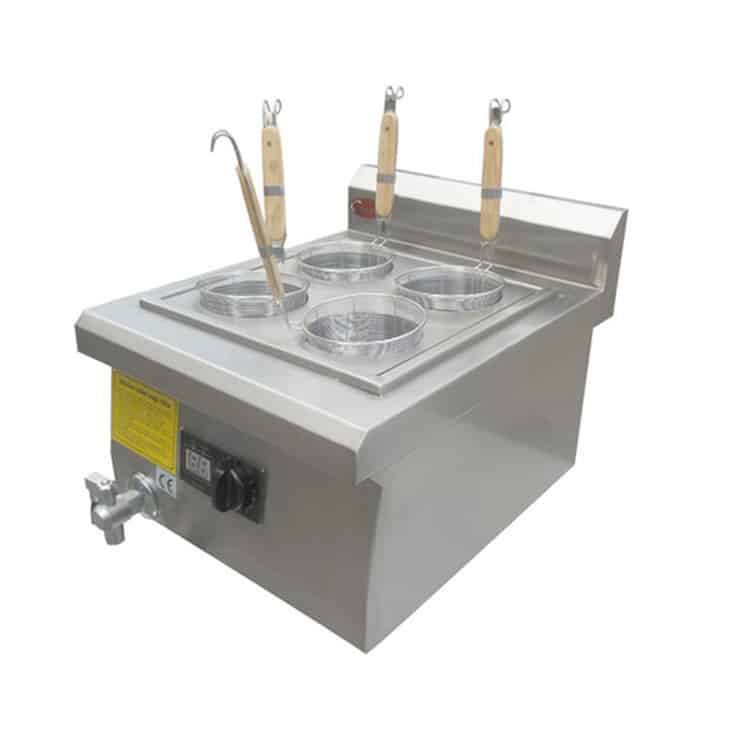
In a cramped countertop setup, chefs often lean over equipment. With gas, this leads to radiant heat burns on the arms and torso over time.
Induction eliminates this radiant danger. The heat is confined inside the pot. A chef can work inches away from the ATT-APST C5 for hours without feeling that draining, burning sensation on their skin.
5. The “Cool Touch” Advantage: Reducing Radiated Energy from the Cooker Body
Touch the side of a gas pasta cooker after 4 hours; it will burn you. Touch the side of the ATT-APST C5; it’s warm, but safe.
Our 304# stainless steel body combined with internal insulation ensures that the chassis stays cool. This “Cool Touch” advantage reduces the risk of accidental contact burns and lowers the overall thermal mass radiating into the workspace.
6. Improving Staff Retention: How Working Conditions Affect Turnover in Hot Kitchens
Kitchen turnover is high, and brutal working conditions are a major factor. Nobody wants to work in a 40°C sweatbox for 10 hours a day.
Investing in improving restaurant staff working conditions through induction technology is an investment in your team. A comfortable kitchen attracts better talent and keeps them longer, reducing your recruitment and training costs.
7. Ventilation Strategy: Managing Steam Extraction Without Venting Excessive Combustion Heat
Ventilation is expensive. Gas requires high-velocity extraction to remove deadly combustion fumes (CO) and massive heat loads.
With induction, you only need to vent the steam from the cooking water. This allows for lighter, quieter, and less expensive commercial kitchen ventilation solutions, further reducing noise and improving the acoustic environment of your open kitchen.
8. Hygiene and Food Safety: Minimizing Sweat Contamination Risks in Prep Areas
It’s an unpleasant truth: sweat can drip. In a hot kitchen, this is a genuine food safety risk.
By keeping the kitchen cool, you eliminate the sweat factor. This ensures that your plating area remains a sterile, hygienic zone, protecting your customers and your reputation from contamination risks.

9. Acoustic Comfort: Replacing Gas Roar with Silent Induction for Better Customer Interaction
Gas burners roar. This noise forces chefs to shout orders and makes conversation with customers impossible.
The ATT-APST C5 is nearly silent. This acoustic peace allows for normal conversation levels. Chefs can explain dishes to diners, creating a personalized connection that turns a meal into a memorable experience.
10. The “Cold Kitchen” (Leng Chu) Trend: Transitioning to Flameless Cooking for Comfort
“Leng Chu” (Cold Kitchen) is the future of Asian dining. It signifies a kitchen that is clean, cool, and flameless.
Transitioning to this model isn’t just about comfort; it’s about modernity. It positions your restaurant as a forward-thinking establishment that cares about sustainability and staff welfare.
11. Ming Dang Standards: How Visual Hygiene Drives Trust in Open Kitchen Concepts
In a Ming Dang (transparent kitchen), dirt has nowhere to hide. Gas burners create soot and grease buildup that is unsightly.
Induction surfaces are flat and easy to wipe down. They always look polished and new. This visual hygiene builds immense trust with customers, who associate clean equipment with clean food.
12. Operational Stamina: Preventing Heat Exhaustion During Peak Lunch Service Rushes
The lunch rush is a marathon. Heat exhaustion slows reaction times and increases errors.
A cool chef is a fast chef. By maintaining a comfortable ambient temperature, you preserve your team’s operational stamina. They can maintain high speed and precision from the first ticket to the last, ensuring consistent service quality.
5-Year Warranty | 2-Year Free Exchange | 1-Year Free Return
Create a Cooler Kitchen Today
Ready to improve your workspace? Contact AT Cooker to learn more about our tabletop induction solutions.
Frequently Asked Questions
How does induction pasta cooker reduce chef sweat in open kitchens?
Induction pasta cookers eliminate radiant heat from open flames, keeping ambient temperature at 25°C instead of 45-50°C with gas burners. This 20°C difference prevents sweat exhaustion and allows chefs to work comfortably in open kitchen environments.
What is the impact on customer dining experience?
A cool, composed chef projects professionalism. Customers no longer see flushed, sweating chefs, which improves their dining experience and reinforces brand quality perception in open kitchen concepts.
How does induction reduce HVAC load in small kitchens?
By removing the primary heat source (gas flames), your AC system can actually cool the room instead of fighting kitchen equipment. This reduces AC strain and creates a comfortable environment for guests.
Is induction pasta cooker safer for tight countertop workspaces?
Yes. Induction eliminates radiant heat burns. The 304# stainless steel body with internal insulation stays cool to touch, reducing burn risks in cramped countertop setups where chefs lean over equipment.
What are the noise benefits of induction vs gas?
The ATT-APST C5 operates nearly silently compared to gas burner roar. This allows normal conversation levels between chefs and customers, creating personalized dining experiences in open kitchens.