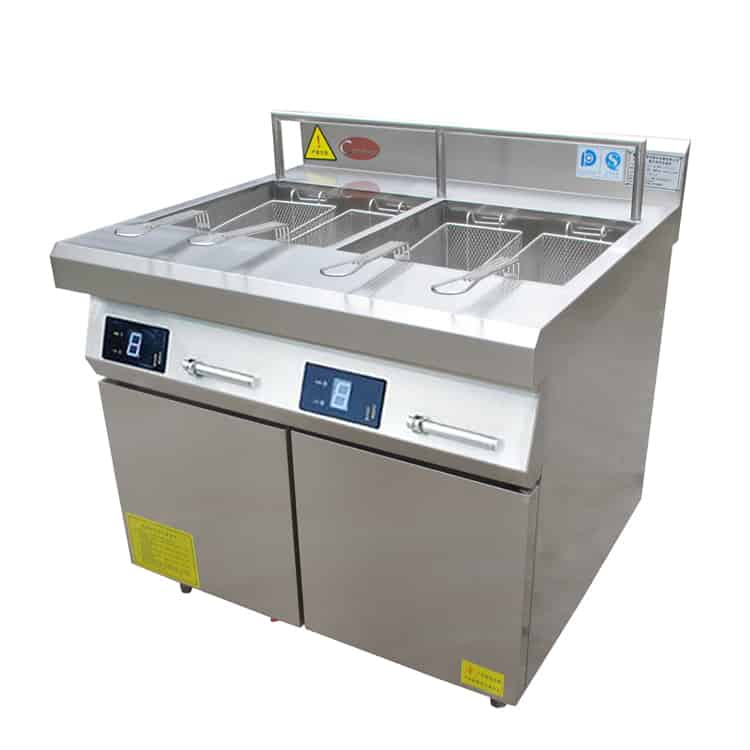
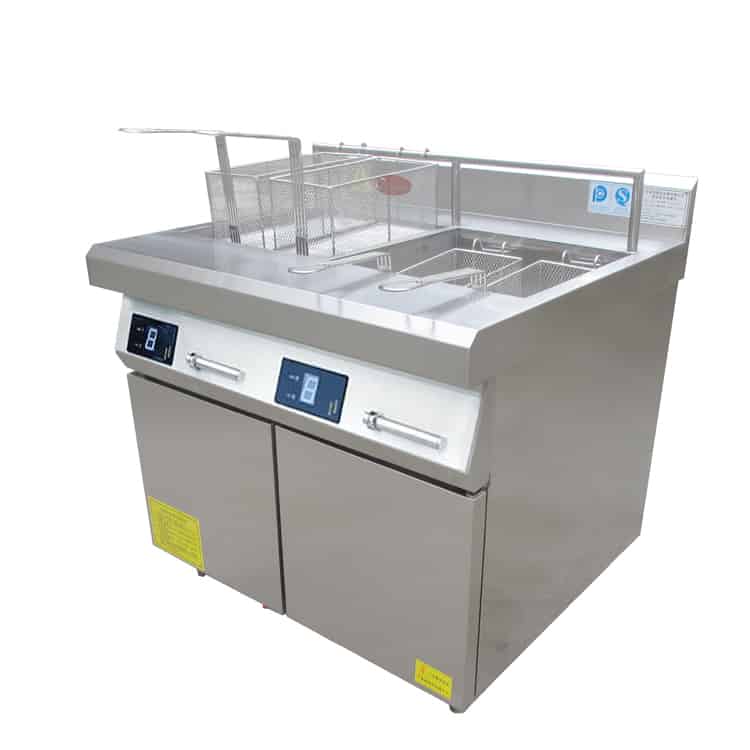
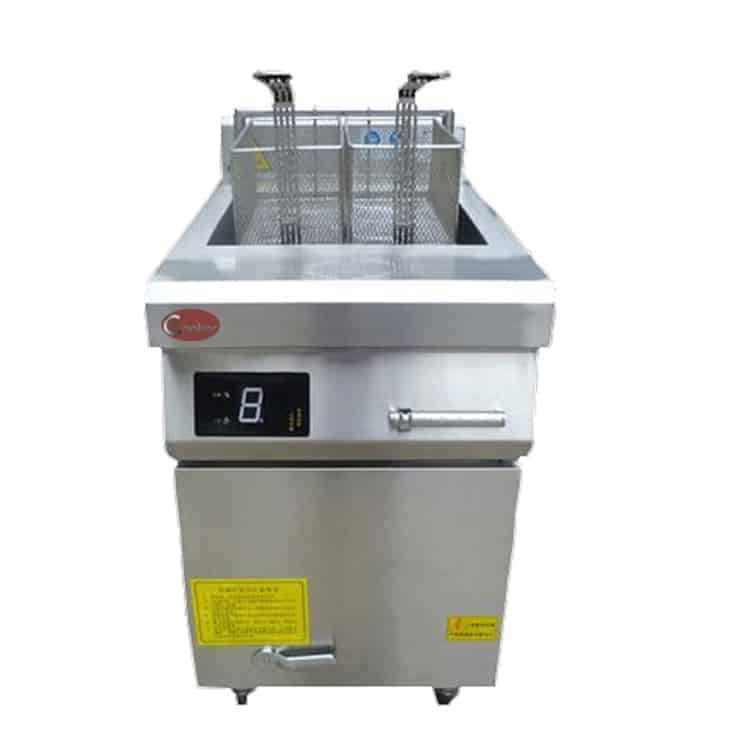
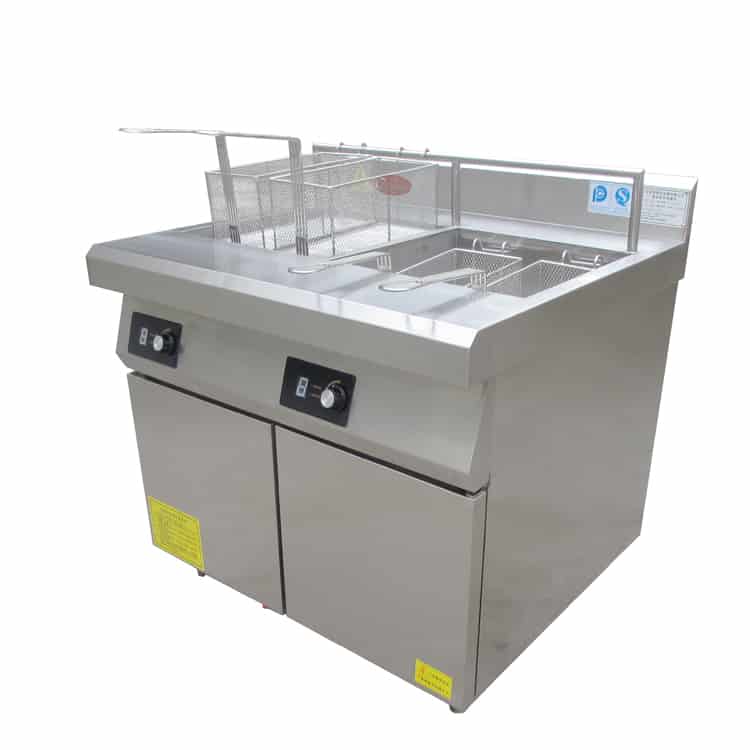
المقالي العميقة التجارية—الغاز أو الكهربائية أو الحثية—هي العمود الفقري للمطاعم وخدمات التموين. يعتمد الاختيار على السرعة والدقة والتكلفة والسلامة والصيانة. AT Cooker توفر الغاز (البروبان) والكهربائية (الحثية) من 15 لتراً للسطح إلى 50 لتراً للأرضية. فيما يلي 14 فرقاً جوهرياً.
سرعة التسخين: الغاز يسخن أسرع
الغاز: لهب مكشوف، 350-375°ف في 6-8 دقائق. الكهربائي: عناصر تسخين، 10-12 دقيقة. AT Cooker’ATT-LP-F50 البروبان: 30 لتراً إلى 375°ف في 7 دقائق. مطعم برغر في أوستن: “زيت بارد إلى بطاطس مقلية في 7 دقائق—أمر حاسم لذروة الساعة 11 صباحاً. الكهربائي القديم استغرق 12 دقيقة.” الفجوة تتسع عند 50 لتراً: الغاز 9 دقائق، الكهربائي 15 دقيقة. الحثي يقلصها إلى 8-9 دقائق.
الغاز
30 لتراً إلى 375°ف
كهربائي
30 لتراً إلى 375°ف
حث
30 لتراً إلى 375°ف
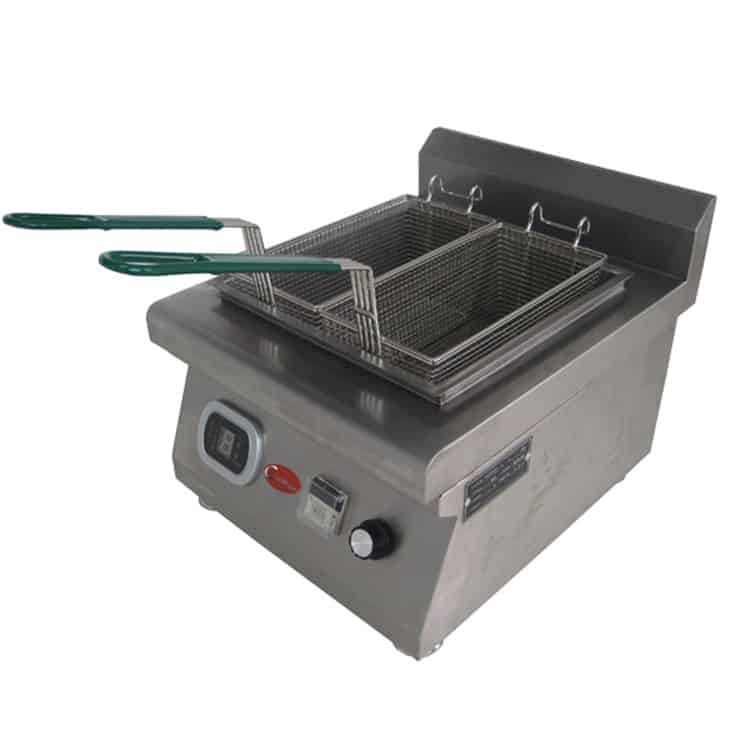
التحكم في درجة الحرارة: الكهربائي يتفوق في الدقة
الحثي الكهربائي: ±2°ف (PID رقمي، 10 تعديلات/ثانية). الغاز: ±5-8°ف (ميكانيكي، تقلب اللهب). AT Cooker’ATT-ID-F30: وحدة تحكم PID تحافظ على 350°ف بدقة. مطعم سوشي: “التمبورا تحتاج دقة. الكهربائي يصل إلى 350°ف ويبقى. الغاز يتأرجح 340-360°ف، مما يفسد الدفعات.” الدقة تطيل عمر الزيت 20-30% (توفر 150-200/شهر).
التركيب: الغاز أكثر تكلفة
الكهربائي: مجرد مقبس (300 لخط 240 فولت). الغاز: خط غاز + شفاط نوع I (2,000-5,000+). مقهى في شيكاغو: “تركيب كهربائي 15 لتراً 300. الغاز يحتاج خط 1,200 + شفاط 800 = 2,000.” AT Cooker مقالي الحث تعمل مع الكهرباء التجارية القياسية. فندق: “لا تعديل كهربائي لحث 30 كيلوواط—وُصل بالكهرباء الموجودة 480 فولت.”
كفاءة الطاقة: الحثي الكهربائي يتفوق
الحثي الكهربائي: 85-90% طاقة للتسخين. الغاز: 50-60% (40-50% تُفقد في الهواء). عند 8 ساعات/يوم: الحثي 36/يوم؛ الغاز 18/يوم (وقود أرخص). لكن كفاءة الحث تعني هدراً أقل في وضع الخمول. سلسلة وجبات سريعة: “الحثي الكهربائي يوفر 200/شهر مقابل الغاز—تسخين الزيت فقط عند الحاجة، لا لهب مكشوف مهدر.” الكهرباء المتجددة = انبعاثات شبه صفرية.
| الميزة | مقالي الغاز العميقة | المقالي الكهربائية العميقة | طراز AT Cooker |
|---|---|---|---|
| التسخين (30 لتراً إلى 375°ف) | 6-8 دقائق (لهب) | 10-12 دقيقة؛ 8-9 (حثي) | ATT-ID-F30 |
| دقة الحرارة | ±5-8°ف | ±2°ف (PID) | ATT-ID-F30 |
| تكلفة التركيب | $1,500-5,000 | $300-1,000 | ATT-ID-F15 |
| كفاءة الطاقة | 50-60% | 85-90% (حثي) | ATT-ID-F30 |
| التشغيل (8 ساعات/يوم) | 540-600/شهر | 800-1,080/شهر | يعتمد على الأسعار |
السلامة: الكهربائي مخاطر حريق أقل
الكهربائي يلغي اللهب المكشوف. AT Cooker المقالي الكهربائية تشمل:
- إيقاف تلقائي: يقطع الطاقة فوق 400°ف أو إذا كانت فارغة
- حماية من الحرارة الزائدة: مستشعرات مزدوجة تراقب الوعاء + الزيت
- سطح بارد للمس: جوانب معزولة <120°ف
قصة عميل: ماريا، ميامي: “مطبخ صغير، الموظفون يتحركون باستمرار. اللهب المكشوف للغاز بدا محفوفاً بالمخاطر. الحثي الكهربائي: لا لهب، إيقاف تلقائي. صفر حوادث سلامة في سنتين.”
تكاليف التشغيل: الغاز أرخص في المناطق الغنية بالغاز
في المناطق الرخيصة غازياً (وسط غرب الولايات المتحدة): الغاز أقل بـ30-50% للتشغيل. في مناطق الكهرباء المرتفعة (أوروبا): الحثي الكهربائي قد يكون أرخص. سلسلة برغر (تكساس + كاليفورنيا): “تكساس: غاز 450/شهر، كهربائي 900. كاليفورنيا: كهربائي 600/شهر، غاز 700.” AT Cooker يساعد في حساب العائد على الاستثمار بناءً على الأسعار المحلية.
استعادة الحرارة: الحثي الكهربائي أسرع
بعد إضافة طعام بارد: الحثي يستعيد في 30-60 ثانية؛ الغاز 60-90 ثانية. AT Cooker’حثي 30 كيلوواط: 350°ف إلى 375°ف في 45 ثانية؛ الغاز 75 ثانية. سلسلة دجاج: “50 دفعة/يوم—استعادة أسرع = 10 عملاء إضافيين/ساعة. الغاز لم يستطع مواكبة، طوابير طويلة.” مثالي للقلي المستمر.
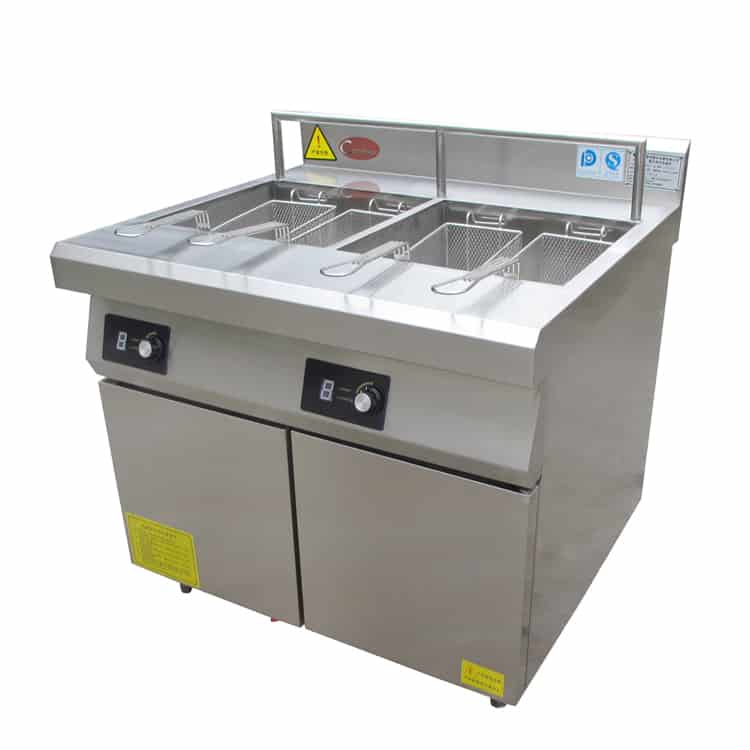
الصيانة: الكهربائي أسهل
Gas: monthly (clean burners, check lines, replace electrodes). Electric: quarterly (check elements, wipe coils, calibrate thermostats).
- الغاز: $150/fryer/month (10 fryers = $12,000/yr)
- الكهرباء: $50/fryer/quarter (10 fryers = $2,000/yr)
AT Cooker electric elements: 15-min replacement, no service call. A restaurant: “Replaced element during lunch break. Gas repair would shut us down half day.”
9. Noise: Electric Quieter
Gas: 70-75 dB (burner whoosh + ventilation). Electric induction: 55-60 dB (no moving parts). A café with open kitchen: “Gas so loud, customers complained. Electric quiet enough for no soundproofing.” A hotel lounge: “Fry near bar—electric silent, guests don’t hear over music.”
10. Power Outage: Gas Works Without Electricity
Gas advantage: works during outages (manual ignition). Electric: shuts down completely. A Florida coastal restaurant: “3-day outage after storm—gas fryer let us serve while others closed.” AT Cooker propane fryers have manual ignition. A caterer: “Outdoor events, no generators needed. Electric would need 5KW generator.”
11. Oil Longevity: Electric Extends Oil Life
Electric precision extends oil life 20-30%. A fried chicken restaurant: “Gas: change oil every 3 days (50L = $100). Electric: every 4 days, saving $800/month.” AT Cooker electric fryers have built-in filtration: “Filter cleans oil overnight—extra day per batch, cutting oil costs 25%.”
12. Kitchen Layout: Electric More Flexible
Gas: must be near gas line + hood. Electric: anywhere with outlet. A food truck: “Can’t run gas line in truck—electric plugs into 240V generator, fits next to grill.” AT Cooker 15-20L countertop: only 24” wide. A café: “Kitchen 8 feet wide—electric fits small counter; gas needs dedicated 3-foot space near hood.”
13. Durability: Gas Burners vs. Electric Elements
Gas burners: 5-7 years (SS, corrosion-resistant). Electric elements: 3-4 years. Induction coils: 6-8 years (longest). A diner: “Gas burners 10 years, still work. Replaced electric elements twice. Induction coil 5-year warranty—expect it to outlast gas.” AT Cooker uses Incoloy elements (heat-resistant alloy).
14. Environmental Impact: Electric Greener
Gas emits CO₂ and NOx. Electric: zero direct emissions; near-zero with renewables. A university (solar): “Electric fryers zero emissions—gas would add 5 tons CO₂/year.” AT Cooker induction fryers ENERGY STAR certified (15% less energy). A corporate café: “Save 10,000 kWh/year, reduce footprint 7 tons.”
Which is faster: gas or electric deep fryer?
Gas deep fryers heat up faster (6-8 minutes for 30L to 375°F) vs electric (10-12 minutes). However, electric induction fryers recover heat faster after adding food (30-60 seconds vs 60-90 seconds for gas), making them better for continuous high-volume frying.
Are electric deep fryers more energy efficient than gas?
Yes. Electric induction fryers convert 85-90% of energy into heat, while gas fryers only convert 50-60% (the rest is lost to the kitchen). However, gas fuel is often cheaper per unit, so operating costs depend on local electricity vs gas prices.
What is the temperature precision difference between gas and electric fryers?
Electric fryers with digital PID controllers maintain ±2°F accuracy, while gas fryers fluctuate ±5-8°F due to flame variability. This precision reduces oil degradation by 20-30% and produces more consistent frying results.
Which deep fryer is safer for a small kitchen?
Electric deep fryers are safer for small kitchens because they have no open flame, auto shut-off above 400°F, overheat protection with dual sensors, and cool-touch exterior below 120°F. Many fire codes require electric fryers in high-traffic areas like mall food courts.
How much does it cost to install a gas vs electric deep fryer?
Electric fryers cost $300-$1,000 to install (just an electrical outlet). Gas fryers cost $1,500-$5,000+ (gas line + Type I ventilation hood). For large gas fryers without existing gas infrastructure, installation can exceed $5,000.
Choose Between Gas & Electric Deep Fryers
Share your frying volume, fuel costs, and kitchen layout—we’ll recommend the right type.