Hardwire vs Plug Connection: Best Choice for Installing Induction Steamers in Older Kitchens?
5-year Warranty | 2-year Free Exchangeable | 1-year Free Return
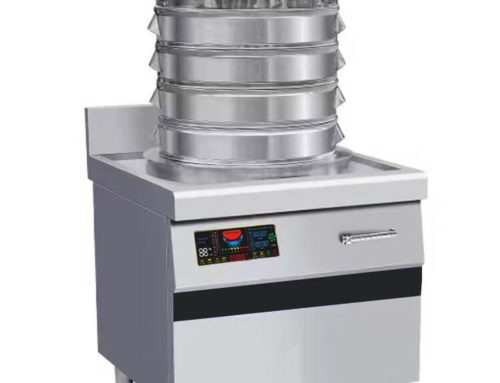
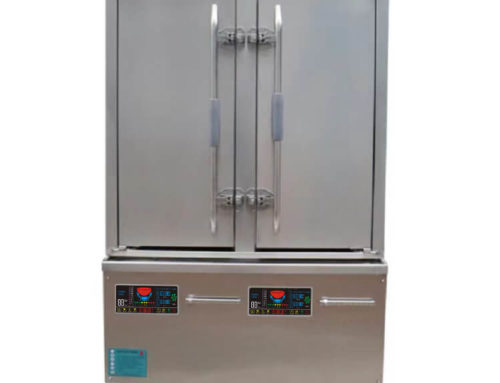
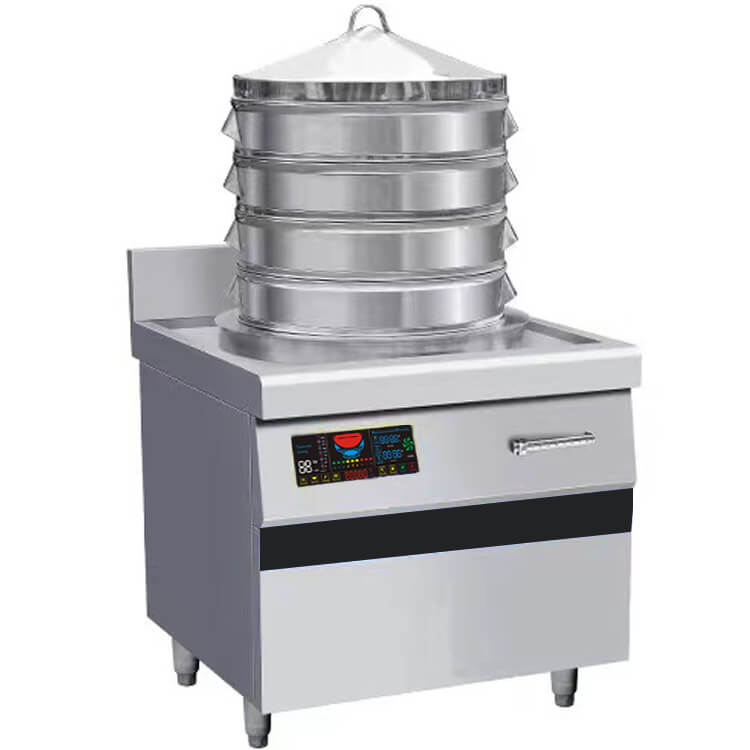
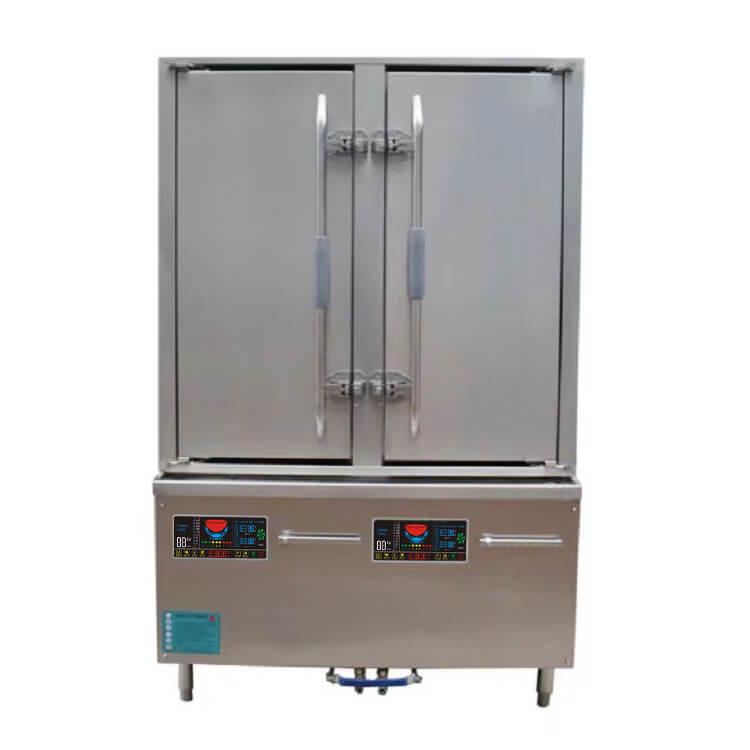
AT Cooker Executive Insight: When retrofitting a modern, high-power induction steamer into an older commercial kitchen, the electrical connection is the final hurdle. Should you hardwire the unit directly into the wall, or install a heavy-duty plug? This decision impacts safety, sanitation, and cost. While plugs offer mobility, hardwiring offers stability. At AT Cooker, we guide our clients through this critical infrastructure choice to ensure their 25KW induction units perform safely for years. Here is the definitive guide to commercial appliance hardwire vs plug installations.
Older kitchens often struggle with the transition to high-amperage electric equipment. A gas steamer only needed a 120V plug for the controls. A commercial induction steamer, like our ZFGT-A V25, requires 380V 3-phase power. This significant jump in power demand forces a choice: rigidity or flexibility?
The heavy duty cooking equipment electrical connection is not just about getting power to the machine; it is about code compliance, hygiene, and preventing electrical fires in a humid, greasy environment. In this technical analysis, we weigh the pros and cons of both methods to help you decide.
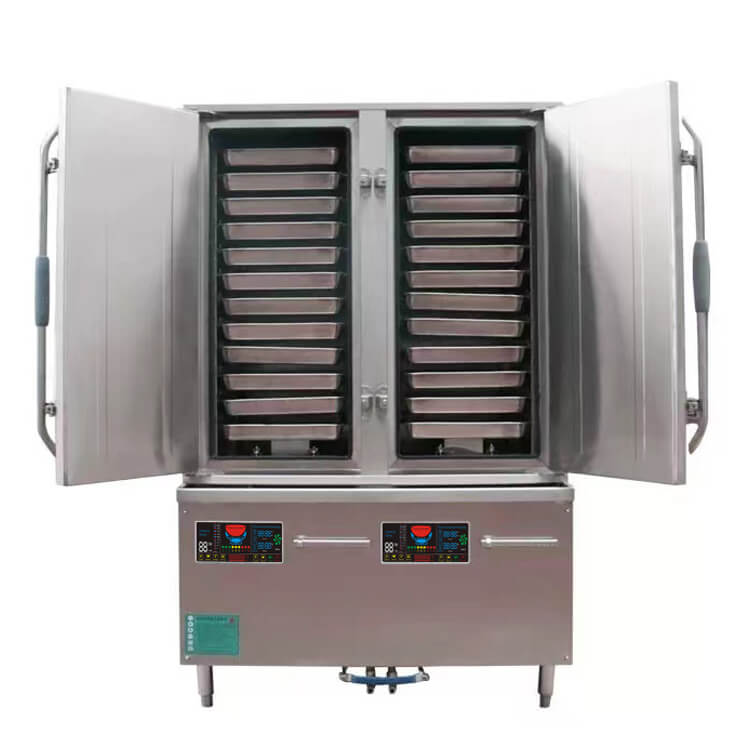
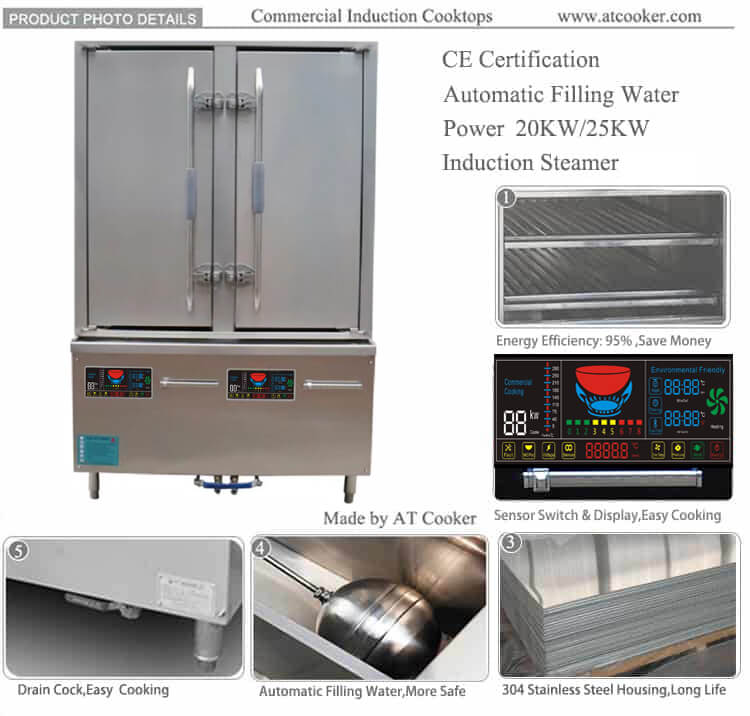
Commercial Kitchen Equipment -from AT Cooker
- As a brand manufacturer of the professional commercial induction cooking equipment, AT Cooker has responded to restaurants’ & hotels’ needs and research normative commercial cooking equipment using the very latest induction technology.
- These seamless, real commercial quality commercial cooking equipment provides us with the opportunity to incorporate equipment of our choice into one seamless, multipurpose cooking equipment creating an efficient, low cost, safe, green and sustainable commercial kitchen. We have standerd equipment can service many commercial kitchens.
- AT Cooker always offers professional service. From material, design, to producing, we focuse on quality, performance and reliability to ensures the best solution is delivered for each and every one of our customers. Have a commercial kitchen? We will be one of your best partners.
Work Voltage
| Single-Phase | Three-Phase |
|---|---|
| 120V, 220V | 208V/ 240V, 380V, 480V |
Global In-Stock + Fast Pickup
| US | UK | Germany | France |
|---|---|---|---|
| Italy | Spain | Belgium | Bulgaria |
1. The Safety Advantage of Hardwiring High-Amperage 25KW Equipment
25KW of power is no joke. At 380V 3-phase, this steamer pulls roughly 38 Amps continuously. A plug is a point of resistance. Over time, the contacts in a plug can oxidize or loosen, creating heat.
Hardwiring eliminates this connection point. By wiring directly into a junction box, you ensure a solid, permanent connection that is rated for high thermal loads, significantly reducing the risk of meltdown or fire at the receptacle.
2. Mobility Factors: Why Plugs Aid in Daily Sanitation and Cleaning Compliance
The biggest argument for plugs is cleaning. Health inspectors love to see behind equipment. If a steamer is hardwired, it is tethered to the wall. Cleaning behind it becomes a major operation.
A heavy-duty IEC Pin and Sleeve plug allows staff to disconnect the unit and roll it away for deep cleaning. This flexibility often leads to higher sanitation scores and a cleaner kitchen overall.
3. Cost Comparison: Expensive IEC Pin-and-Sleeve Plugs vs. Direct Connection
Hardwiring is cheap: a few feet of conduit, some wire nuts, and labor. A high-amperage Pin and Sleeve plug and receptacle set (like Hubbell or Mennekes) can cost upwards of $300-$500.
While the plug adds convenience, it is a significant upfront cost. For budget-conscious renovations, how to wire commercial kitchen equipment directly is often the preferred route to save money.
4. Analyzing Space Constraints: Do Plugs Protrude Too Far in Narrow Kitchens?
A 60-Amp commercial plug is bulky. It can stick out 4-6 inches from the wall. In a tight galley kitchen, this might prevent the steamer from sitting flush against the wall, eating up valuable aisle space.
Hardwired connections can be recessed or angled more easily. If every inch counts, a direct connection often allows for a tighter equipment profile.
5-year Warranty | 2-year Free Exchangeable | 1-year Free Return
5. Corrosion Risks: How Steam and Humidity Affect Plug Contacts Over Time
Steamers create humidity. Over years, this moisture attacks copper and brass contacts inside a plug. “Green corrosion” increases resistance, which creates heat.
While IP67-rated watertight plugs exist, they are expensive. A hardwired connection inside a sealed, gasketed junction box is often more impervious to the humid environment of a steam station.
6. Local Code Compliance: When is a Separate Disconnect Switch Mandatory?
Many electrical codes (like the NEC) require a “Line of Sight” disconnect. If you hardwire, you often need to install a lockable disconnect switch box on the wall next to the unit.
A plug counts as a disconnect. Unplugging it cuts the power. Therefore, using a plug can sometimes simplify code compliance by eliminating the need for a separate wall switch installation.
7. Preventing Accidental Unplugging During Peak Service Hours
It sounds silly, but it happens. A cart hits the cord, or a cleaner bumps it, and the plug comes loose. The steamer shuts down mid-service.
Hardwiring is tamper-proof. The connection is secure. For critical infrastructure that must run 24/7, hardwiring offers security against accidental power loss.
8. How Grease Buildup on Receptacles Can Cause Dangerous Electrical Arcing
Airborne grease settles everywhere. If it coats the prongs of a plug, it becomes a conductive layer that can cause arcing or “tracking” across the insulator.
This is a major fire hazard. Hardwired connections, sealed inside boxes, are immune to this surface contamination. Pin and Sleeve vs hardwire cost analysis should factor in the risk of replacing melted receptacles.
9. Ensuring Phase Stability to Protect Inverters in Hardwired Setups
Induction inverters are sensitive to voltage balance. A worn plug can cause a voltage drop on one leg of a 3-phase connection. This imbalance stresses the electronics.
A solid hardwire splice ensures perfectly balanced voltage delivery, protecting the expensive internal components of your AT Cooker unit from “single-phasing” damage.
10. The Risk of Loose Connections Creating Hot Spots in Old Wiring Systems
In older kitchens, existing wiring might be aluminum or older copper. Connecting a modern plug receptacle to old wires requires care.
Torque is critical. Hardwiring allows an electrician to torque wire nuts or terminal blocks precisely, ensuring a cold weld. Plugs rely on spring tension, which can fade over decades of use.
11. Tamper-Proofing: Stopping Staff from Unauthorized Equipment Moving
If it has a plug, staff will move it. They might pull it out to clean and push it back against a gas line, or stretch the cord too far.
Hardwiring fixes the equipment in place. It ensures the unit stays exactly where the kitchen designer intended, under the hood and away from traffic paths.
12. Ease of Maintenance: Troubleshooting Hardwired Connections vs Faulty Plugs
If a steamer fails, checking a plug is easy. Checking a hardwire connection requires a licensed electrician to open the box. For remote locations, plugs offer easier first-line troubleshooting.
| Feature | Hardwire | Plug (Pin & Sleeve) |
|---|---|---|
| Cost | Low | High |
| Safety | Maximum | Good (if maintained) |
| Mobility | None | Excellent |
| Reliability | Excellent | Good |
5-year Warranty | 2-year Free Exchangeable | 1-year Free Return
Final Thoughts from AT Cooker
For high-power, fixed equipment like the 25KW Commercial Induction Steamer, hardwiring is generally the superior choice for safety and reliability. However, if daily movement for sanitation is a priority, invest in a high-quality watertight plug.
With stock available in the USA, Germany, France, UK, Belgium, Italy, Spain, and Bulgaria, we can advise you on the best installation method for your facility. Visit our About Us page for more technical guidance.