Pagprotekta sa Iyong Pamumuhunan: Mahalaga ba ang mga Silicone Mat para sa Mabigat na Sautéing sa mga Commercial Induction Cooktop?
5 տարվա երաշխիք | 2 տարվա անվճար փոխանակում | 1 տարվա անվճար վերադարձ
AT कुकर एग्जीक्यूटिव इनसाइट: Kapag namuhunan ka sa isang high-performance induction station, gusto mong tumagal ito. Madalas itong itanong ng mga chef: “Dapat ba akong gumamit ng mat?” Ang mga silicone protection mat ay popular sa mga kusina sa bahay, ngunit sa isang commercial environment na kinabibilangan ng mabigat na induction sautéing, maaari silang maging isang double-edged sword. Habang nag-aalok sila ng proteksyon laban sa gasgas, maaari rin silang makulong ng init at makasira ng mga internal sensor kung hindi ginamit nang tama. Sa AT Cooker, ginagawa naming matibay ang aming mga glass top, ngunit naniniwala rin kami sa matalinong maintenance. Sinusuri ng gabay na ito ang mga kalamangan at kahinaan ng commercial induction protection mats.
Ang glass-ceramic surface ng isang commercial induction cooktop ay isang engineering marvel. Ito ay nakakayanan ang thermal shocks ng 700°C at sumusuporta sa mabibigat na kaldero. Gayunpaman, hindi ito diamante. Sa paglipas ng panahon, ang agresibong “shake and slide” na aksyon ng isang sauté station ay lilikha ng mga micro-scratches. Upang labanan ito, maraming kusina ang bumabaling sa mga silicone mat.
Ngunit ligtas ba sila? Hinaharangan ba nila ang magnetic field? Nagiging sanhi ba sila ng sobrang pag-init ng unit? Ang sagot ay nakasalalay sa kalidad ng mat at sa intensity ng iyong pagluluto. Sa detalyadong pagsusuri na ito, sinisiyasat namin kung ang mga accessory na ito ay isang pangangailangan o isang pananagutan para sa pagpigil sa mga gasgas sa induction glass.
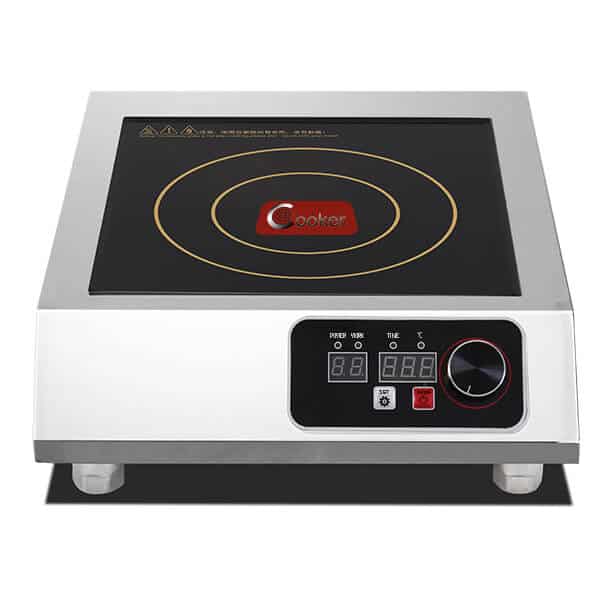
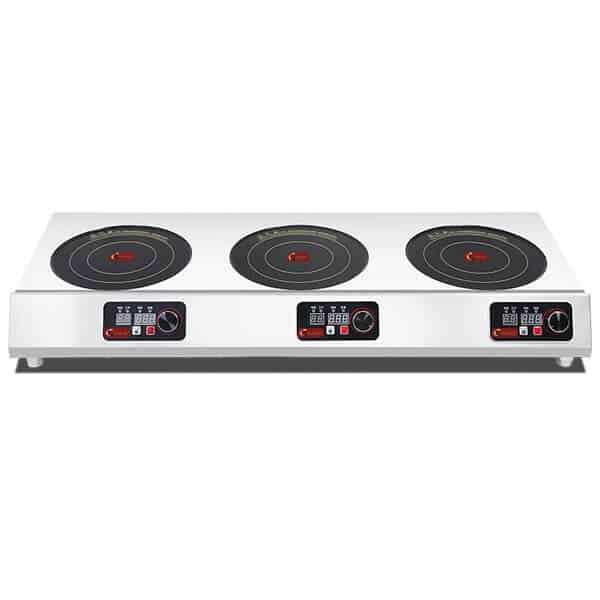
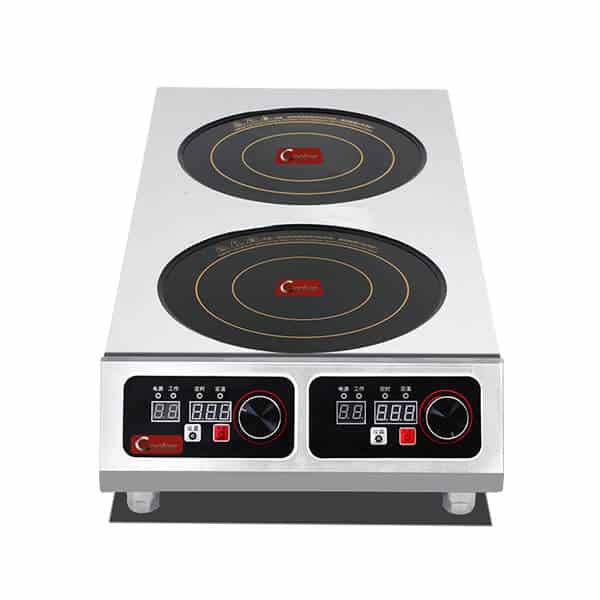
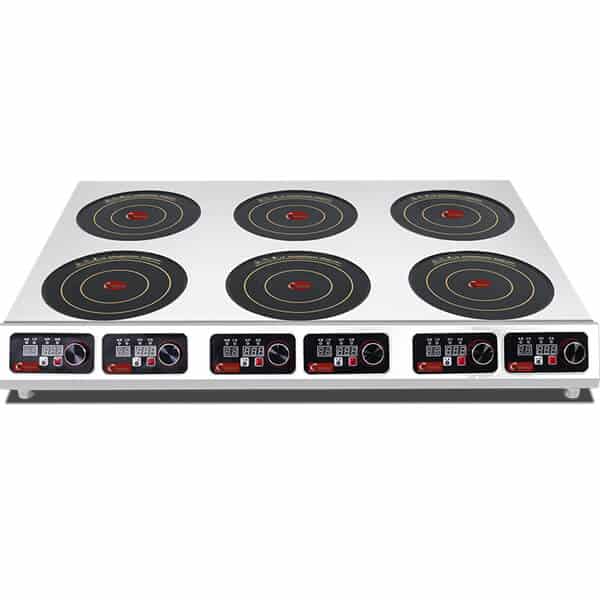
อุปกรณ์ครัวเชิงพาณิชย์ - จาก AT Cooker
- ในฐานะผู้ผลิตแบรนด์อุปกรณ์ทำอาหารแบบเหนี่ยวนำเชิงพาณิชย์ระดับมืออาชีพ AT Cooker ได้ตอบสนองความต้องการของร้านอาหารและโรงแรม และวิจัยอุปกรณ์ทำอาหารเชิงพาณิชย์ตามมาตรฐานโดยใช้เทคโนโลยีการเหนี่ยวนำล่าสุด.
- อุปกรณ์ทำอาหารเชิงพาณิชย์คุณภาพระดับเชิงพาณิชย์ที่ไร้รอยต่อเหล่านี้เปิดโอกาสให้เราได้รวมอุปกรณ์ที่เราเลือกเข้ากับอุปกรณ์ทำอาหารอเนกประสงค์ที่ไร้รอยต่อ สร้างครัวเชิงพาณิชย์ที่มีประสิทธิภาพ ต้นทุนต่ำ ปลอดภัย เป็นมิตรต่อสิ่งแวดล้อม และยั่งยืน เรามีอุปกรณ์มาตรฐานที่สามารถให้บริการครัวเชิงพาณิชย์ได้หลายแห่ง.
- AT Cooker ให้บริการอย่างมืออาชีพเสมอ ตั้งแต่วัสดุ การออกแบบ ไปจนถึงการผลิต เรามุ่งเน้นที่คุณภาพ ประสิทธิภาพ และความน่าเชื่อถือ เพื่อให้มั่นใจว่าโซลูชันที่ดีที่สุดจะถูกส่งมอบให้กับลูกค้าของเราทุกคน คุณมีครัวเชิงพาณิชย์หรือไม่? เราจะเป็นหนึ่งในพันธมิตรที่ดีที่สุดของคุณ.
Work Voltage
| Single-Phase | Three-Phase |
|---|---|
| 120V, 220V | 208V/ 240V, 380V, 480V |
Global In-Stock + Fast Pickup
| US | UK | Germany | France |
|---|---|---|---|
| իտալիա | Իսպանիա | Բելգիա | Բուլղարիա |
1. Ang Pangunahing Tungkulin: Pagpigil sa mga Gasgas mula sa Magaspang na Cast Iron o Baluktot na mga Kaldero
Ang unang tuntunin ng commercial kitchen equipment maintenance ay prevention. Ang induction glass ay matigas, ngunit ang cast iron ay magaspang. Ang pag-slide ng mabigat, may burr na kaldero pabalik-balik ay kalaunan ay magdudulot ng mga micro-abrasions.
Ang mga silicone mat ay nagsisilbing sacrificial barrier. Sila ang tumatanggap ng pisikal na pag-abuso upang hindi na kailanganin ng salamin. Para sa mga istasyon na gumagamit ng cast iron o mas lumang stainless steel na mga kaldero na may baluktot na ilalim, ang isang mat ay isang murang insurance policy laban sa permanenteng cosmetic damage.
2. Pagsusuri sa Heat Conductivity: Binabawasan ba ng mga Silicone Mat ang Lakas ng Sautéing?
Gumagana ang induction sa pamamagitan ng magnetic fields, na dumadaan sa silicone na parang wala doon. Walang nawawalang magnetic energy.
Gayunpaman, mayroong thermal insulating effect. Ang mat ay lumilikha ng isang maliit na barrier sa pagitan ng mainit na kaldero at ng sensor ng salamin. Para sa kumukulong tubig, ito ay hindi gaanong mahalaga. Para sa high-speed sautéing, maaari itong magdulot ng bahagyang pagkaantala sa pagkontrol ng temperatura, bagaman mabigat na induction sautéing ang lakas ay nananatiling hindi apektado.
3. Mga Limitasyon sa Temperatura: Bakit Natutunaw ang mga Standard Baking Mat sa Ilalim ng Commercial Induction Heat
Huwag gumamit ng standard baking mat (tulad ng Silpat) sa isang cooktop. Ang mga iyon ay may rating na ~230°C (450°F). Ang isang commercial sauté pan ay madaling lumampas sa 300°C (572°F) kapag nagse-sear.
Ang mga standard mat ay matutunaw, didikit sa iyong glass top at sisirain ito. Kailangan mong gumamit ng heat resistant cooking mats na partikular na may rating para sa high-temp induction, madalas na pinatibay ng fiberglass upang makayanan ang 300°C+.
4. Ang Friction Factor: Paano Nakakasagabal ang mga Non-Slip Mat sa Tossing Rhythm ng Chef
Gusto ng mga chef na i-slide ang mga kaldero. Ang silicone ay “grippy.” Ang isang non-slip mat ay humihinto sa kaldero sa pag-slide, na pinipilit ang chef na buhatin ang kaldero upang ilipat ito.
Ito ay nakakagambala sa cooking rhythm at nagpapataas ng strain sa pulso. Para sa mga boiling station, maganda ang grip. Para sa sauté station, masama ang grip. Pumili ng mat na may makinis, fiberglass surface kung kailangan mong mag-slide.
5. Sensor Interference: Magti-trigger ba ang mga Makapal na Mat ng “No Pan” Error Codes?
Ang magnetic field ay humihina sa distansya. Kung gumamit ka ng mat na masyadong makapal (higit sa 2-3mm), ito ay nagpapataas ng puwang sa pagitan ng coil at ng kaldero.
Sa ilang sensitibong unit, ang dagdag na puwang na ito ay maaaring mag-trigger ng “Pan Missing” error o magpababa ng power efficiency. AT Cooker ang mga unit ay may malaking detection range, ngunit inirerekomenda namin ang mga mat na mas manipis sa 1.5mm para sa pinakamainam na koneksyon.
5 տարվա երաշխիք | 2 տարվա անվճար փոխանակում | 1 տարվա անվճար վերադարձ
6. The “Insulation Trap”: Risk of Overheating Internal Components by Trapping Surface Heat
Glass cooktops need to breathe. The glass dissipates heat from the pan. If you cover the sensor area with a thick silicone mat, you trap heat in the glass.
This trapped heat can travel downwards, potentially overheating the internal temperature sensor or even the coil insulation. Using a mat on high power for hours can trigger an “Overheat” error code that shuts down the machine.
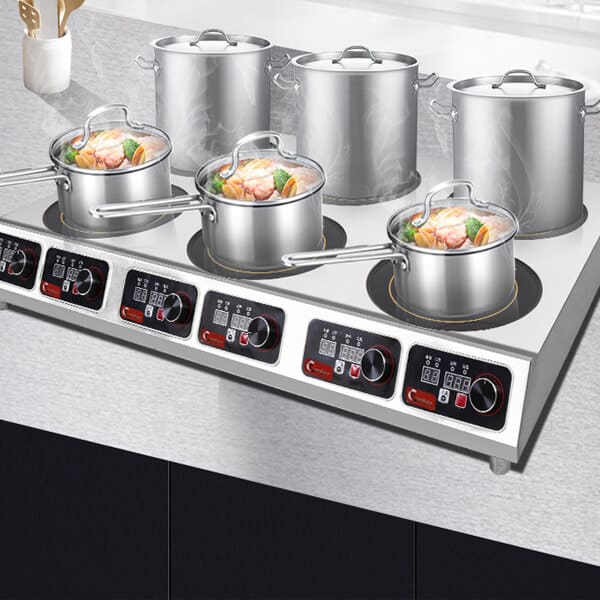
7. Fiberglass Reinforced Mats vs. Pure Silicone: Choosing the Right Grade for 300°C+
Pure silicone is too soft and heat-sensitive for commercial use. The only viable option is fiberglass reinforced silicone.
The fiberglass mesh provides structural integrity and prevents the mat from stretching or warping under heat. It also creates a harder surface that allows for some sliding, striking a balance between protection and usability.
8. Hygiene Protocols: Managing Grease Accumulation Underneath Protection Mats
Mats hide dirt. Grease, boil-over liquid, and crumbs get trapped between the mat and the glass. In a hot kitchen, this layer cooks onto the glass, forming a stubborn carbon deposit.
If you use mats, they must be removed and washed after every shift. Failure to do so creates a hygiene hazard and can actually damage the glass surface due to carbon buildup hotspots.
9. Schott Ceran Reality: Is High-Grade Commercial Glass Tough Enough Without Mats?
Honestly? Yes. AT Cooker uses premium glass-ceramic rated for extreme hardness. It is designed to take the abuse of steel pans.
While scratches are aesthetically displeasing, they rarely affect performance. Many chefs prefer the “naked” glass because it offers better thermal feedback and easier sliding. Mats are an option, not a requirement.
10. The “Sugar Grain” Danger: How Mats Hide Abrasive Particles that Cause Damage
The biggest scratch risk isn’t the pan; it’s sugar or salt granules caught underneath. A mat can trap these granules.
If a chef drags a heavy pot over a mat with salt underneath, the mat presses the crystals into the glass, acting like sandpaper. This hidden abrasion can be worse than direct pan contact.
11. Cost Analysis: Monthly Mat Replacement vs. Long-Term Glass Maintenance
Commercial mats wear out. They burn, tear, and get sticky. Expect to replace them monthly in a busy kitchen ($20/mat x 12 = $240/year).
Compare this to the cost of a replacement glass top after 5 years. Often, the cost of mats exceeds the cost of the glass maintenance. It comes down to aesthetic preference vs. operational expense.
12. Alternative Solutions: Using Parchment Paper for Specific Delicate Service Styles
For messy jobs (like searing marinated meats), chefs sometimes use parchment paper. It is disposable, prevents sticking, and keeps the glass clean.
However, paper burns at 220°C. It is safe for boiling or simmering, but dangerous for high-heat searing. Never leave paper unattended on an induction unit.
13. The NTC Sensor Conflict: How Mats Delay Temperature Feedback Loops
Induction units use an NTC (Negative Temperature Coefficient) sensor under the glass to monitor heat. A mat insulates this sensor.
This causes a delay. The pan might be 200°C, but the sensor only reads 150°C. This lag can cause the unit to overshoot its target temperature, burning the food before the sensor catches up to regulate the power.
14. Hidden Carbonization: The Risk of Oil Polymerizing Unnoticed Beneath the Mat
Micro-spills of oil seep under mats. The heat polymerizes this oil into a sticky, brown resin that bonds to the glass.
This “varnish” is incredibly difficult to remove and can create an uneven surface that eventually causes stress cracks. If you use mats, absolute cleanliness is mandatory to prevent this hidden carbonization.
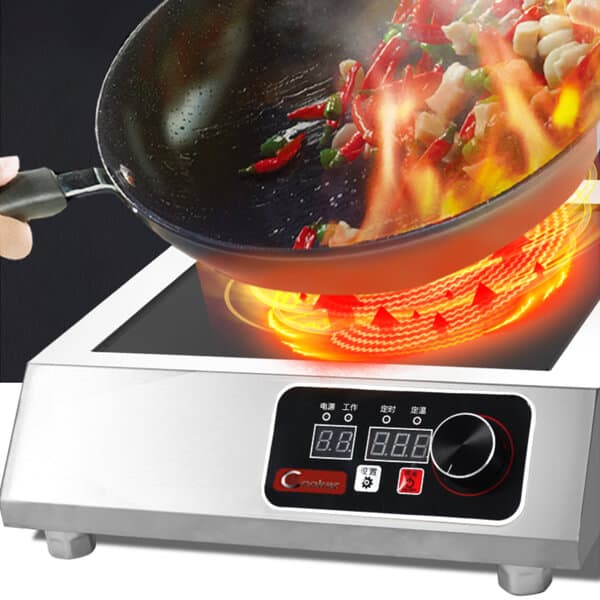
| Scenario | Silicone Mat Recommended? | Reason |
|---|---|---|
| Stock Pot / Boiling | YES | Prevents scratches, no sliding needed. |
| Sauté / Frying | NO | Interferes with sliding, traps heat. |
| Cast Iron Pans | YES | Rough bottoms damage glass. |
| High Temp Searing | NO | Mat will melt/degrade quickly. |
5 տարվա երաշխիք | 2 տարվա անվճար փոխանակում | 1 տարվա անվճար վերադարձ
Final Thoughts from AT Cooker
Mats are tools, not magic shields. Use them for static boiling to protect against scratches. Remove them for high-speed sautéing to ensure performance and sensor accuracy. The durability of AT Cooker glass is designed to work naked, but we support your choice to protect it.
ជាមួយនឹងស្តុកដែលត្រៀមរួចជាស្រេចនៅក្នុង USA, Germany, France, UK, Belgium, Italy, Spain, and Bulgaria, we offer robust equipment that stands up to the rigors of commercial use—with or without a mat. Visit our жөнүндөពួកเรา page for more maintenance tips.