Switching from Gas to Induction: Is Your Commercial Electrical Panel Big Enough?
5-year Warranty | 2-year Free Exchangeable | 1-year Free Return
AT Cooker Executive Summary: The “Green Kitchen” revolution is here. Switching from inefficient gas appliances to high-speed induction technology like the AT Cooker ZFGT-A V25 can cut energy bills by 50% and cooler your kitchen. However, this transition requires a robust electrical backbone. Before you order, you must answer one critical question: Is your commercial electrical panel big enough? We guide you through the amp calculations, voltage checks, and infrastructure upgrades needed for a successful conversion.
For decades, commercial kitchens ran on fire. Gas lines were the arteries of the restaurant, feeding hungry ranges and steamers. But times are changing. Chefs are realizing that induction technology offers superior speed, precision, and a much cooler working environment. The shift from gas to electric kitchen conversion is not just a trend; it is the future of food service.
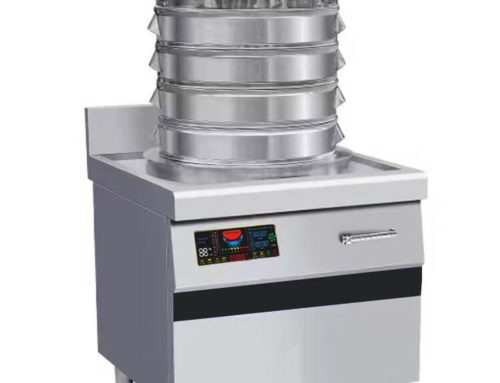
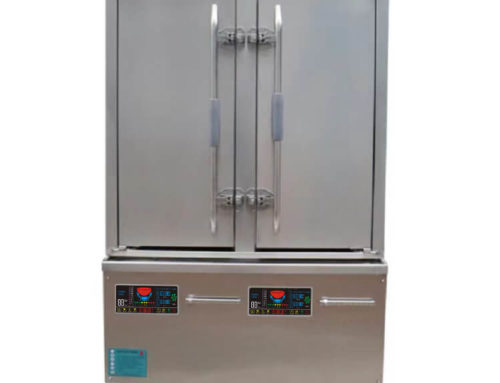
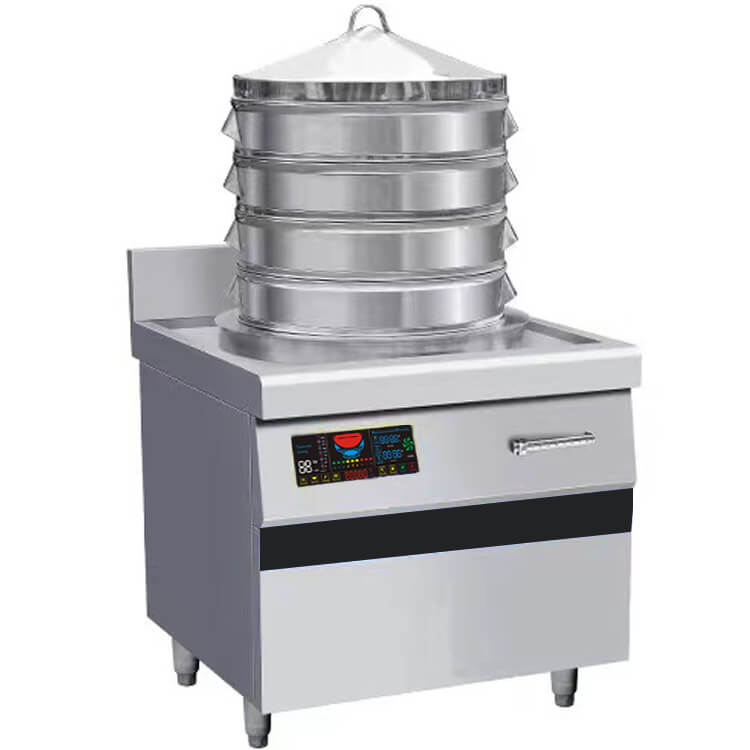
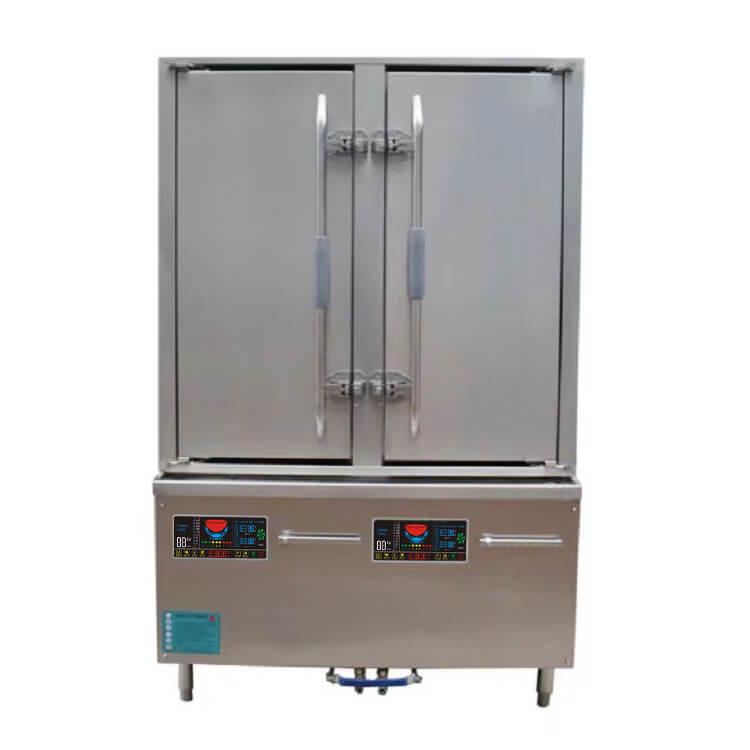
However, this upgrade is not as simple as swapping a gas hose for a power cord. A high-performance machine like our Vegetable/seafood steamer ZFGT-A V25 is an industrial workhorse. With a power rating of 25KW running on 380V, it demands significant electrical capacity. If your building’s electrical panel is outdated or maxed out, plugging in this beast could leave you in the dark.
At AT Cooker, we have helped thousands of clients navigate this infrastructure shift. In this guide, we will walk you through the 11 critical steps to upgrading restaurant electrical panel capacity, ensuring your kitchen is ready for the power of induction.
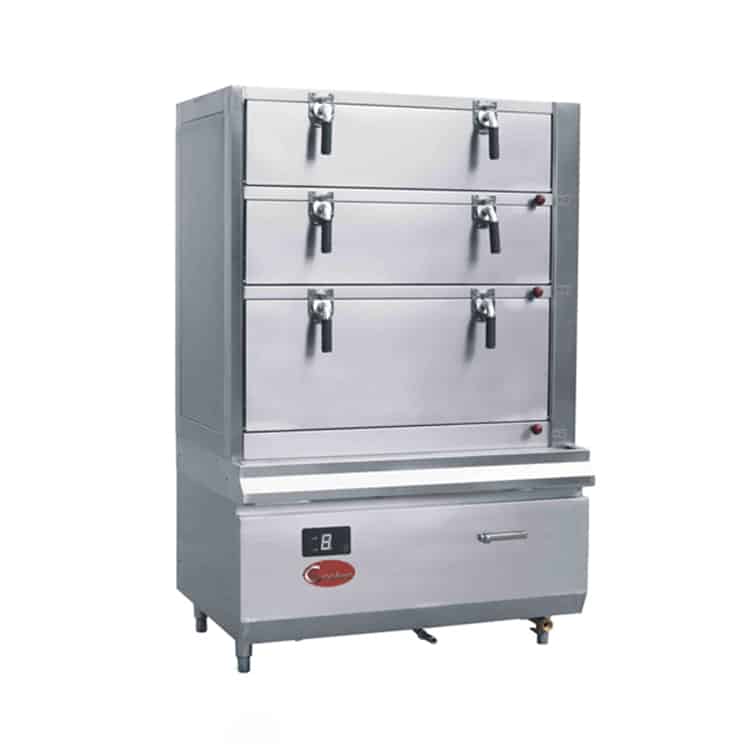
Commercial Kitchen Equipment -from AT Cooker
- As a brand manufacturer of the professional commercial induction cooking equipment, AT Cooker has responded to restaurants’ & hotels’ needs and research normative commercial cooking equipment using the very latest induction technology.
- These seamless, real commercial quality commercial cooking equipment provides us with the opportunity to incorporate equipment of our choice into one seamless, multipurpose cooking equipment creating an efficient, low cost, safe, green and sustainable commercial kitchen. We have standerd equipment can service many commercial kitchens.
- AT Cooker always offers professional service. From material, design, to producing, we focuse on quality, performance and reliability to ensures the best solution is delivered for each and every one of our customers. Have a commercial kitchen? We will be one of your best partners.
Work Voltage
| Single-Phase | Three-Phase |
|---|---|
| 120V, 220V | 208V/ 240V, 380V, 480V |
Global In-Stock + Fast Pickup
| US | UK | Germany | France |
|---|---|---|---|
| Italy | Spain | Belgium | Bulgaria |
1. Determining Your Current Total Amperage Load Before Adding Induction
The first step in any gas to electric kitchen conversion is an audit. You cannot manage what you do not measure. Before you even look at the specifications of the ZFGT-A V25, you need to know how much “room” is left in your electrical tank.
Most commercial buildings have a main service entry rated in Amps (e.g., 200A, 400A, 600A). Your electrician needs to perform a “Load Calculation.” This involves summing up the continuous loads (lights, refrigeration, HVAC) and non-continuous loads (mixers, slicers). If your panel is rated for 200 Amps and your peak usage is already hitting 180 Amps, you have no room for a 25KW steamer. Induction is efficient, but 25KW is still a significant load that must be accounted for.
2. Identifying Available Physical Breaker Slots in Crowded Panels
Capacity isn’t just about Amps; it’s about physical space. Open your breaker panel door. Do you see empty slots, or is every space filled with a breaker? A 3-phase steamer installation typically requires a 3-pole breaker, which takes up three vertical slots in your panel.
If your panel is full, you have two options: install a sub-panel (which adds cost and complexity) or consolidate existing circuits (using tandem breakers, if code allows). Checking for physical space is a 5-second task that can save you weeks of headache later.
3. The Critical Difference Between 208V, 240V, and 380V Configurations
Voltage is the pressure that pushes electricity. In the US, many kitchens operate on 208V or 240V. However, high-efficiency industrial equipment often runs on 380V or 480V to reduce amperage and wire size. The ZFGT-A V25 is optimized for a 380V / 3-phase supply.
⚡ The Math: Why 380V Matters
At 208V: 25,000W / (208V × 1.732) = ~69 Amps
At 380V: 25,000W / (380V × 1.732) = ~38 Amps
By running at 380V, the amperage drops by nearly half. This means you can use thinner, cheaper wire and smaller breakers. If your building only has 208V, you may need a step-up transformer to run high-efficiency 380V equipment efficiently.
4. Assessing Main Service Line Capacity: 200 Amps vs 400 Amps
This is the bottleneck. The wire coming from the street into your building determines your absolute limit. A small restaurant might have a 200 Amp service. A large hotel kitchen might have 800 Amps.
Adding a 38-Amp continuous load (the steamer) to a 200 Amp service that is already running at 80% capacity is dangerous. It violates safety codes and risks melting your main service lugs. If you are serious about a full gas to electric kitchen conversion, upgrading your main service to 400 Amps is often the first, necessary investment.
5-year Warranty | 2-year Free Exchangeable | 1-year Free Return
5. Cost Analysis: Panel Upgrade Investments vs Long-Term Gas Savings
Many owners balk at the price of an electrical upgrade, which can cost $2,000 to $10,000 depending on complexity. However, you must view this as an investment, not a cost. Gas prices are volatile, and gas equipment is inefficient (often only 40-50% thermal efficiency).
The ZFGT-A V25 operates at 90% – 95% energy efficiency. It cooks faster and wastes almost no heat. In a busy kitchen, the electricity savings alone can pay for a panel upgrade in 12-18 months. Plus, you eliminate the massive cost of makeup air required for gas ventilation.
6. Understanding Local Code Requirements for Dedicated Induction Circuits
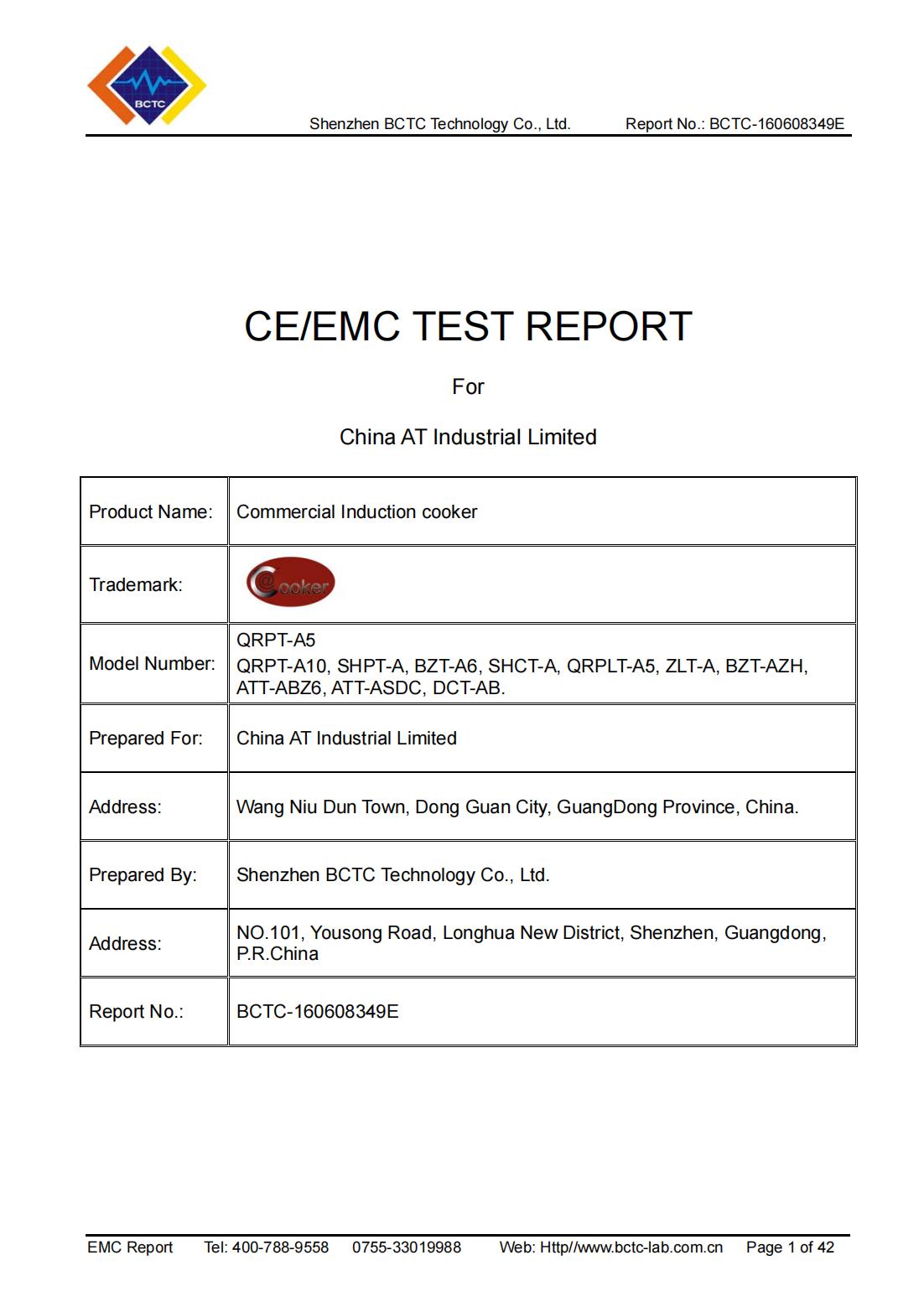
Do not let a handyman install your commercial steamer. Local codes (NEC, IEC) almost universally require dedicated circuits for fixed appliances over certain amperages. This means the AT Cooker unit gets its own private line from the breaker box.
Why? Sharing circuits causes “noise” and voltage fluctuations. If a refrigerator compressor kicks on the same circuit, the voltage dip can cause the induction steamer’s computer to reset or error out. Dedicated circuits ensure reliability and safety.
7. Evaluating Building Transformer Limits Beyond Your Unit’s Panel
Sometimes the problem isn’t your panel; it’s the building. If you are in a shared commercial strip mall, the transformer outside might be maxed out by your neighbors (like a laundromat or a data center).
Before planning a massive induction steamer power requirements upgrade, contact your utility provider. Ask if the transformer feeding your building has the KVA rating to support an additional 25KW load. If not, the utility company may need to upgrade their equipment, which can take time.
8. Planning for Peak Demand Spikes with High-Wattage Equipment
The dreaded “Peak Demand Charge.” Utilities charge commercial clients not just for how much electricity they use, but for the highest amount they pull at once. If you turn on all your fryers, ovens, and your 25KW steamer at exactly 5:00 PM, your demand spike will be enormous.
Fortunately, the ZFGT-A V25 is incredibly fast. It reaches 180℃ steam temperature in minutes. You don’t need to preheat it for an hour. By staggering your startup times, you can keep your peak demand lower, saving money and reducing stress on your panel.
9. Future-Proofing Your Panel for Fully Electric Kitchen Transitions
Don’t just upgrade for today’s steamer; upgrade for tomorrow’s kitchen. The trend is moving 100% electric. Cities are banning gas hookups in new construction. If you are upgrading your panel now, add extra capacity (e.g., go for 600 Amps if you can afford it).
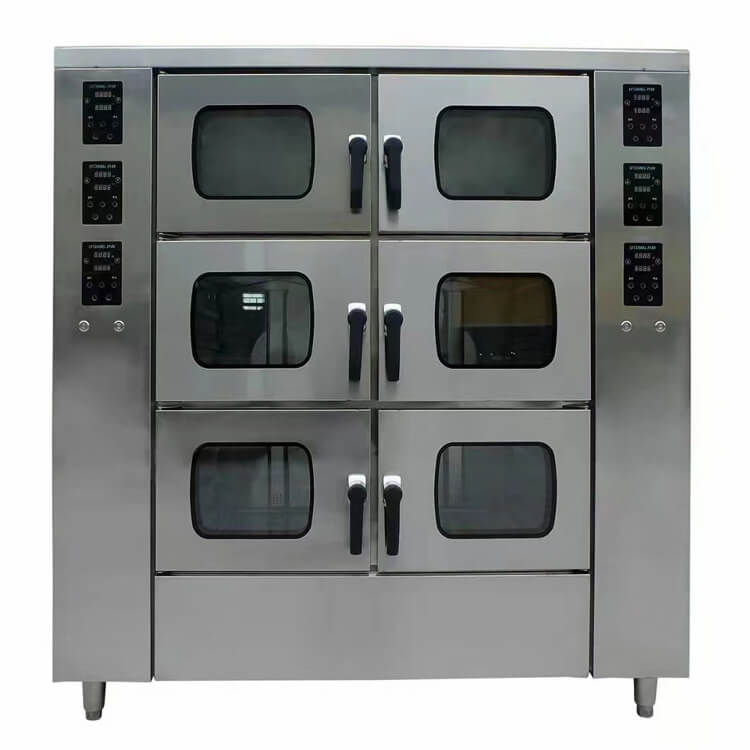
This “Future-Proofing” allows you to add more induction woks, combi ovens, or fryers later without ripping out your infrastructure again. It increases the resale value of your business and prepares you for a zero-carbon future.
10. Checking Cable Heat Ratings for Continuous High-Load Operations
Not all wire is created equal. A wire rated for 38 Amps might get dangerously hot if it’s run through a hot kitchen ceiling or behind a fryer. Heat increases resistance, which increases amperage draw—a vicious cycle.
For commercial kitchen breaker capacity planning, insist on using 90°C rated copper wire (like THHN/THWN-2) rather than standard 75°C wire. This gives you a thermal safety margin, ensuring that the wire stays cool even when the kitchen is hot.
5-year Warranty | 2-year Free Exchangeable | 1-year Free Return
11. Assessing Existing Wire Material Stability Under Increased Electrical Loads
If you are retrofitting an older building, check your existing wires. Are they Copper or Aluminum? Aluminum wire expands and contracts more with heat than copper. Under the heavy, cycling load of an induction steamer, aluminum connections can loosen over time, causing arcing and fire.
We strongly recommend using only copper wiring for all induction equipment connections. It handles the thermal stress of a commercial kitchen far better and ensures a stable connection for the life of the unit.
| Feature | Gas Steamer Infrastructure | AT Cooker Induction (ZFGT-A V25) |
|---|---|---|
| Energy Source | Natural Gas / Propane Line | 380V 3-Phase Electricity |
| Ventilation | Heavy Duty Hood (Makeup Air) | Standard Steam Hood |
| Infrastructure Cost | Plumbing & Gas Fitting | Panel & Breaker Upgrade |
| Safety Risk | Gas Leaks, Carbon Monoxide | Circuit Overload (Preventable) |
Final Thoughts from AT Cooker
Switching from gas to induction is the single most impactful upgrade you can make for your kitchen’s efficiency and your staff’s comfort. Is your panel big enough? Maybe not today. But upgrading your panel is a one-time investment that unlocks decades of savings.
Don’t let infrastructure fear hold you back. Calculate your load, consult a pro, and install the ZFGT-A V25 to experience the future of steaming. For specifications or technical support, visit our About Us page. For electrical safety standards, reference NFPA 70 or GB 50054-2011.