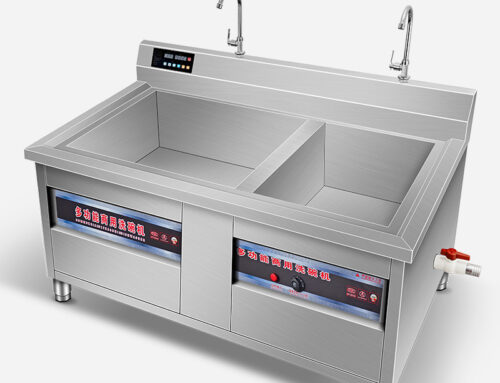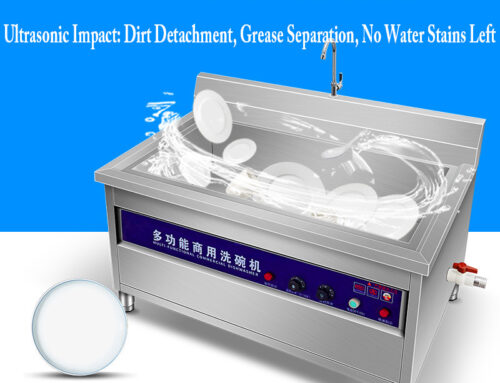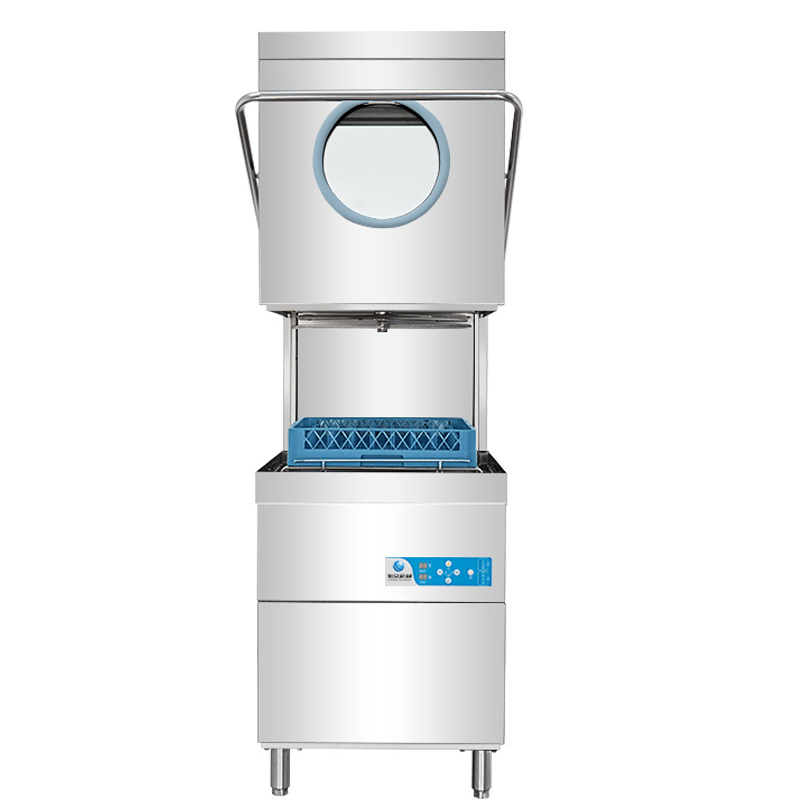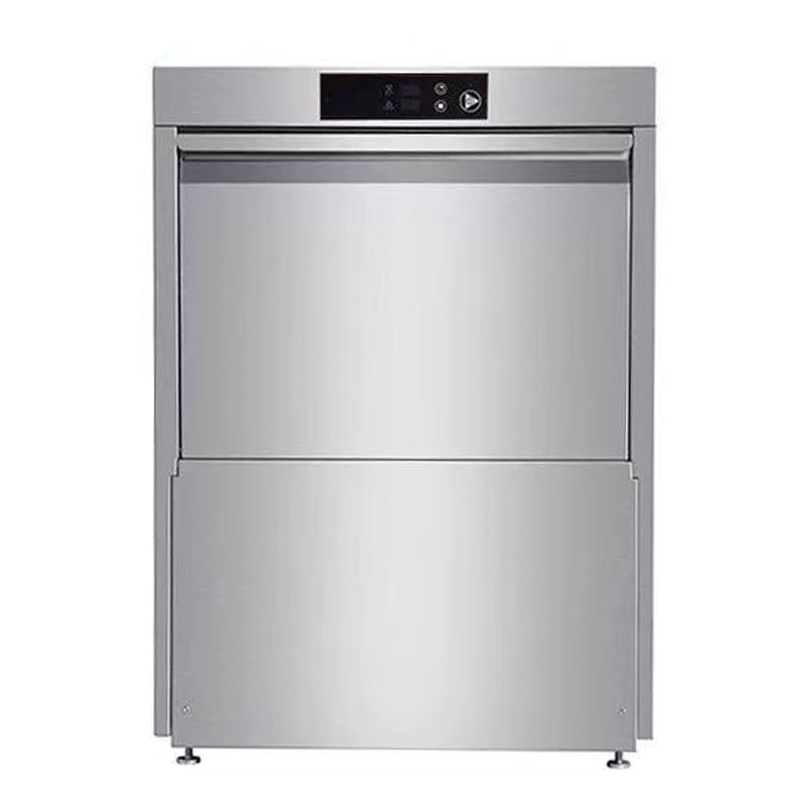
Choosing the right commercial dishwasher means understanding the unique needs of your kitchen—and that starts with knowing the difference between the three main types: door-type, conveyor, and commercial dishwasher undercounter models. Each is designed for specific volume levels, kitchen sizes, and dish types—from small bar glassware (perfect for undercounter commercial dishwasher units) to hundreds of racks per hour (for conveyor systems). At AT Cooker, we specialize in commercial undercounter dishwasher models (like our best-selling ZFGT-A2D series) and partner with top brands for door-type and conveyor options. In this guide, we’ll break down how each type works, their key strengths, and which one fits your business—with a focus on the space-saving, efficient commercial dishwasher undercounter designs we’re known for.
Core Differences Between the Three Commercial Dishwasher Types
| Feature | Door-Type | Conveyor | Undercounter |
|---|---|---|---|
| Throughput (RPH) | 60-100 | 150-400 | 30-60 |
| Space Requirement | Medium (40-60 sq ft) | Large (100+ sq ft) | Small (10-15 sq ft) |
| Loading/Unloading | Manual | Automatic | Manual (1-2 racks) |
| Water Use per Rack | 1.0-1.5 gal | 1.2-2.0 gal | 0.5-0.8 gal |
| Energy Use per Hour | 8-10 KW | 12-18 KW | 6-9 KW |
| Ideal For | Medium (40-100 seats) | High-volume (100+) | Small (10-40 seats) |
| Key Strength | Flexibility | Speed | Space-saving |
Door-Type Dishwashers: Manual Loading for Medium-Volume Operations
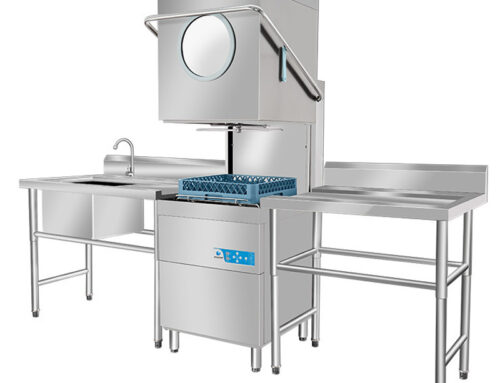
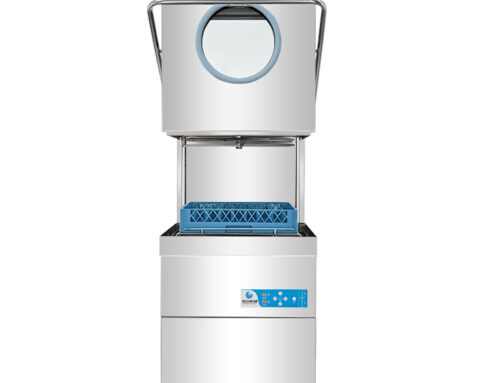
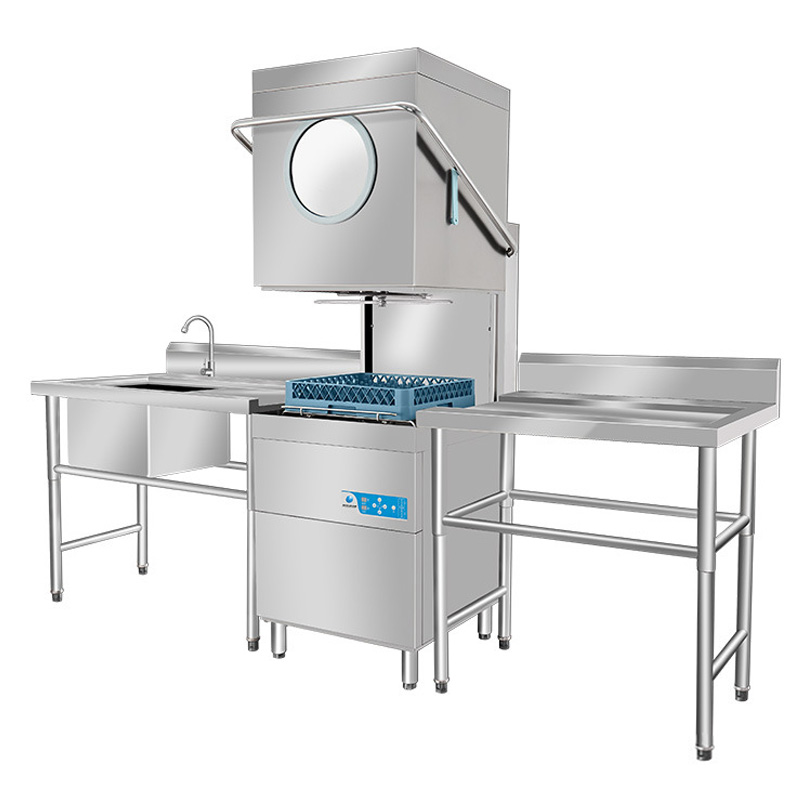
Door-type commercial dishwashers (also called “pass-through” models) are the workhorses of medium-volume kitchens—think casual restaurants, hotels, or catering businesses that wash 60-100 racks per hour. As the name suggests, they have a large door (front or side-hinged) that staff open to load and unload racks manually. This hands-on approach gives them flexibility—they can handle everything from large pots and pans to delicate glassware—but it also means they rely on staff availability to keep up with demand.
How They Work: Staff load dirty dishes into a standard 20×20-inch rack, push the rack into the machine, and close the door. The dishwasher runs a cycle (typically 90-120 seconds) that includes pre-rinse, main wash, and final rinse stages—all in a single tank.
Ideal For: Kitchens with 40-100 seats and consistent (but not overwhelming) dish volume. For example, a 70-seat Italian restaurant might use a door-type model to handle pasta bowls, salad plates, and wine glasses during dinner service.
Compared to commercial dishwasher undercounter models, door-type machines have a bigger footprint (they need floor space for loading/unloading) and higher utility use. But they make up for it with higher capacity—while an undercounter commercial dishwasher might wash 1 rack at a time, a door-type can handle 2-3 racks per cycle. However, they’re no match for conveyor systems when it comes to high-volume needs.
Pro Tip: Door-type dishwashers work best with dedicated staff—assigning one employee to load/unload keeps the machine running continuously, avoiding bottlenecks during peak hours. This is a key difference from commercial undercounter dishwasher units, which are often used by front-of-house staff for quick glassware washes.
Conveyor Dishwashers: Automatic Throughput for High-Volume Establishments
Conveyor commercial dishwashers are designed for one thing: speed. They use a motorized conveyor belt to move racks of dishes through a series of wash zones automatically—no manual loading or unloading required—making them ideal for high-volume venues like large restaurants, convention centers, or buffets that wash 150-400 racks per hour. Their ability to handle constant use (8+ hours daily) and massive throughput comes with a tradeoff: they need more space and higher upfront investment than door-type or commercial dishwasher undercounter models.
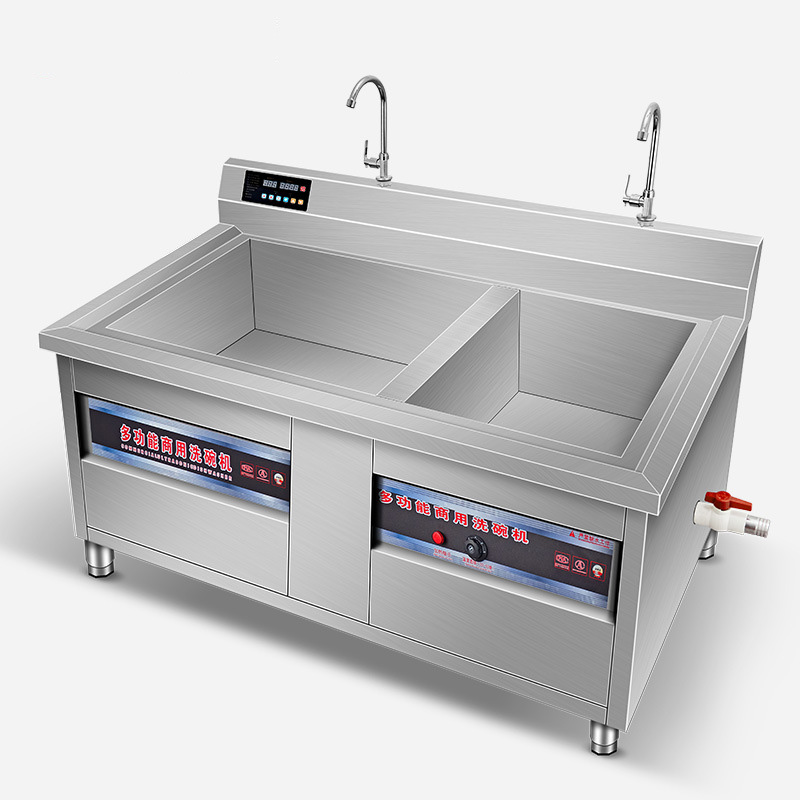
Conveyor dishwashers use a multi-stage cleaning process: pre-wash, main wash, rinse, and drying zones. Clean racks exit the other end ready for reuse, with some models including turnaround conveyors to return empty racks to the loading area.
Conveyor systems also offer customization that door-type and undercounter commercial dishwasher models can’t match. Many include adjustable conveyor speeds, pre-wash spray arms, and water recycling systems. However, they require a dedicated dish room (100+ square feet) and professional installation—making them impractical for small kitchens.
According to the National Restaurant Association (NRA), conveyor dishwashers reduce labor costs by 30% compared to manual models—critical for high-volume operations where staff time is expensive. But for most small to medium businesses, their size and cost make them overkill.
Undercounter Commercial Dishwashers: Compact Efficiency for Small Kitchens
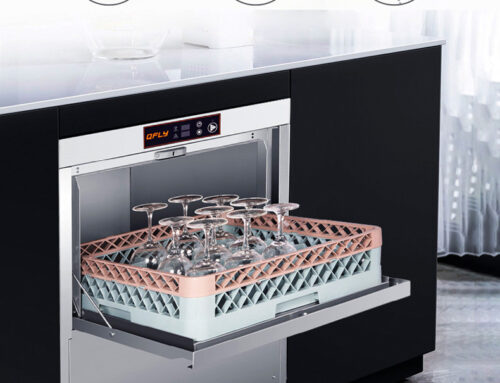
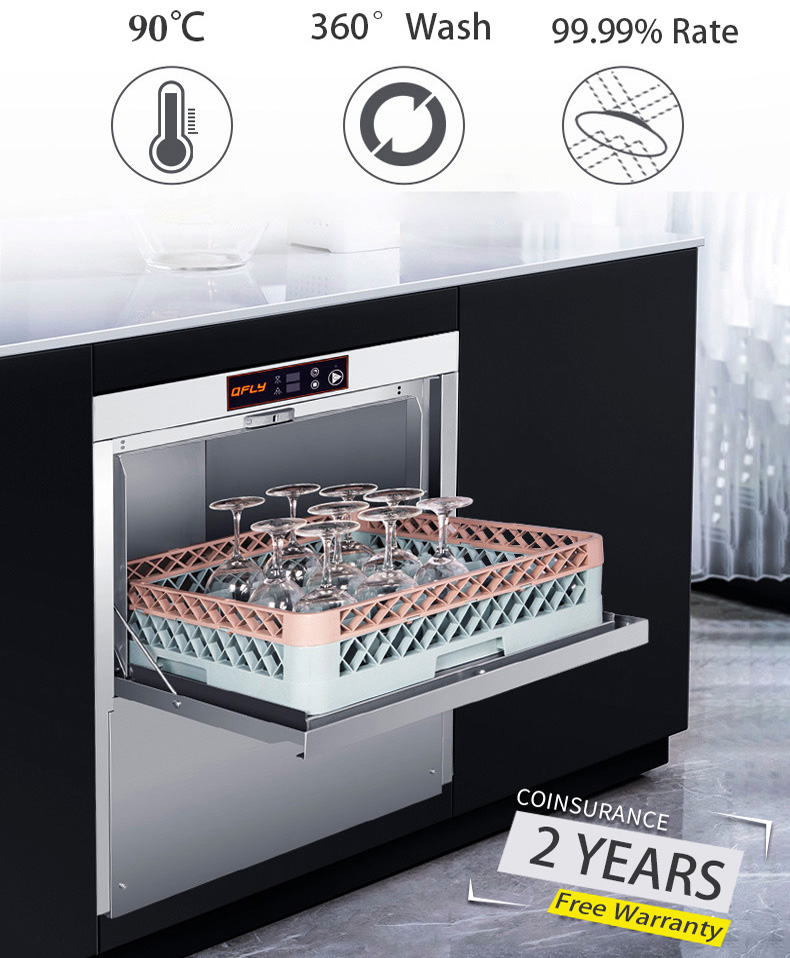
The commercial dishwasher undercounter is the space-saving hero of small kitchens, bars, and cafes. Designed to fit beneath standard 36-inch countertops (with a height of 34-36 inches), these compact models take up minimal floor space—making them perfect for front-of-house areas (like bar stations) or back-of-house kitchens where every square foot counts. Despite their small size, modern undercounter commercial dishwasher units (like AT Cooker’s ZFGT-A2D series) deliver impressive performance, washing 30-60 racks per hour while using less water and energy than larger models.
AT Cooker’s ZFGT-A2D: A Top-Tier Model
Our best-selling commercial undercounter dishwasher (model ZFGT-A2D) is built for small businesses. Key specs:
- Capacity: 50 racks per hour (enough for a 40-seat cafe or busy bar).
- Water Use: 0.66 gallons (2.5 liters) per rack—30% less than door-type.
- Energy Use: 8.6 KW (380V 3-phase).
- Size: 595x600x820 mm (WxDxH)—fits under standard counters.
- Cleaning Power: High-temp wash (up to 95℃) + 3D radiation shielding.
- Durability: 304# stainless steel body—resists rust and damage.
Ideal For: Small establishments where space and efficiency are priorities. Our ZFGT-A2D can wash 15,000-30,000 cups per day, perfect for peak happy hour rushes.
One of the biggest advantages of commercial dishwashers undercounter is their versatility. Unlike conveyor systems (which need a dedicated room) or door-type models (which need floor space), they can be installed almost anywhere—under bar counters, near coffee stations, or in tight back-of-house corners.
Pro Tip: Use your undercounter commercial dishwasher for small, frequent loads (like glasses or small plates) and reserve larger machines for big batches (like pots or full dinner racks). This “split duty” keeps both machines running efficiently.
Capacity Comparison: Which Type Handles More Dishes?
Capacity (measured in racks per hour, RPH) is one of the most critical differences. Here’s a detailed breakdown:
- Conveyor Dishwashers (150-400 RPH): The highest capacity. A large conveyor can wash 400 racks/hour—enough for 8,000-10,000 dishes. Ideal for stadiums or convention centers.
- Door-Type Dishwashers (60-100 RPH): Middle ground. A 100 RPH model handles 2,000-2,500 dishes/hour—perfect for a 70-seat restaurant during dinner peak.
- Undercounter (30-60 RPH): Lowest capacity, but efficient for small loads. Our ZFGT-A2D commercial dishwasher undercounter washes 50 RPH—1,000-1,250 dishes/hour. More than enough for a 40-seat cafe or bar.
It’s important to note that “capacity” isn’t just about speed—it’s also about rack size. Conveyor and door-type use standard 20×20-inch racks, while some commercial undercounter dishwasher units use smaller 18×18-inch racks. Our ZFGT-A2D uses standard 20×20-inch racks—so you can share racks between machines.
Water & Energy Use: Which Type Is Most Efficient?
Utility costs are a major part of a commercial dishwasher’s lifetime cost—so efficiency matters. Data from Foodservice Equipment Reports (FER):
| Type | Water Use/Rack (gal) | Energy Use/Hour (KW) | Est. Monthly Cost (200 hrs) |
|---|---|---|---|
| Conveyor | 1.2-2.0 | 12-18 | $360-$540 |
| Door-Type | 1.0-1.5 | 8-10 | $240-$300 |
| Undercounter (ZFGT-A2D) | 0.66 | 8.6 | $258 |
The commercial dishwasher undercounter is the most efficient in water use—our ZFGT-A2D uses just 0.66 gallons per rack, thanks to low-flow spray arms and a compact tank design. This is a big advantage for businesses in areas with high water costs.
Conveyor systems are the least efficient—their large tanks and continuous operation mean more water and energy. However, they often include energy-saving features like heat recovery to offset costs.
Space Requirements: Which Type Fits Your Kitchen?
Kitchen space is non-negotiable—you can’t install a conveyor in a 200-square-foot cafe, just like you don’t need an undercounter commercial dishwasher in a 1,000-square-foot dish room.
- Conveyor: Need 100+ sq ft of dedicated space (10-15 ft long, plus clearance). Usually installed in a separate dish room.
- Door-Type: Need 40-60 sq ft. Includes machine (3-4 ft wide/deep) plus loading space.
- Undercounter: Need just 10-15 sq ft. Our ZFGT-A2D is 595mm wide, fits under standard 36-inch counters.
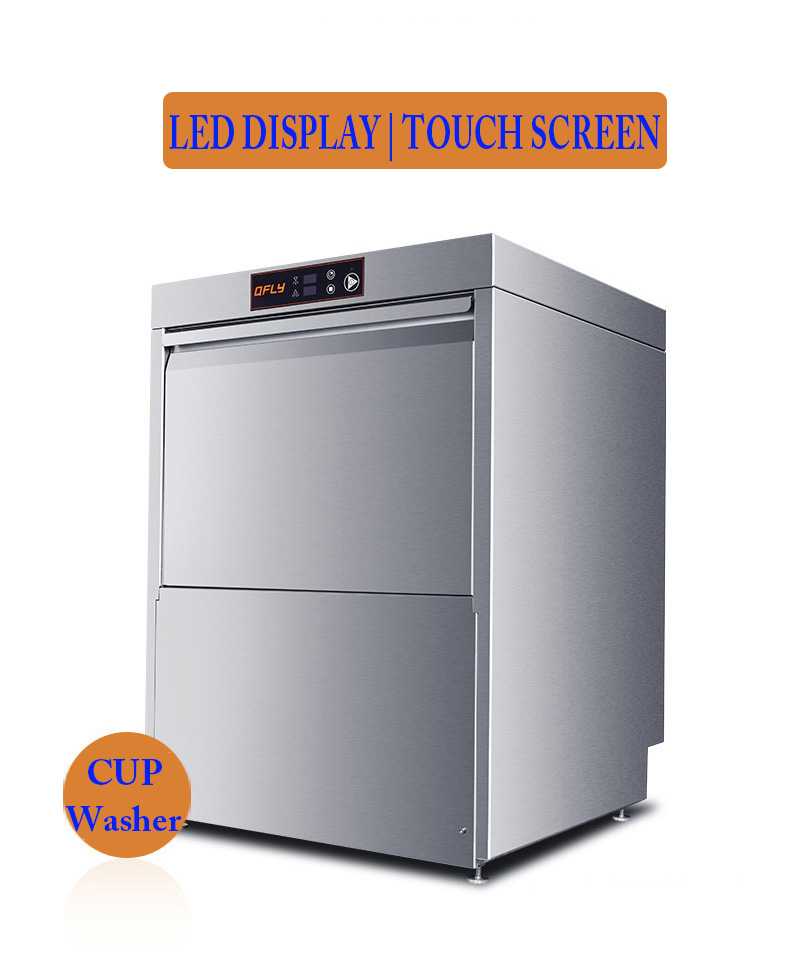
AT Cooker’s undercounter models are designed for space-constrained environments, fitting under standard counters while delivering commercial-grade performance.
How to Choose: Key Factors for Your Business
The right commercial dishwasher type depends on three core factors: kitchen size, dish volume, and staff availability.
- Small kitchen (under 500 sq ft) or bar/cafe: Choose a commercial dishwasher undercounter model. Compact size, low costs. Our ZFGT-A2D is ideal.
- Medium kitchen (500-1,000 sq ft), 40-100 seats: Choose door-type. Balances capacity (60-100 RPH) with flexibility.
- Large kitchen (1,000+ sq ft) or 100+ seats: Choose conveyor. Automatic operation, 150-400 RPH.
- Future growth: Choose extra capacity. A 30-seat cafe might buy a 50 RPH commercial undercounter dishwasher for growth.
- Menu complexity: Door-type or undercounter commercial dishwasher is more flexible than conveyor for specialized dishware.
- Staff training: Commercial dishwashers undercounter have simple controls (like our ZFGT-A2D’s LED display) that new staff learn in minutes.
Conclusion: Find Your Perfect Commercial Dishwasher with AT Cooker
Door-type, conveyor, and commercial dishwasher undercounter models each serve a unique purpose. Conveyors are for high-volume venues that need speed, door-types for medium kitchens that need flexibility, and undercounter commercial dishwasher units for small spaces that need efficiency. At AT Cooker, we specialize in the latter—our ZFGT-A2D commercial undercounter dishwasher helps small businesses save space, cut costs, and keep up with demand.
Our ZFGT-A2D isn’t just compact—it’s built to last. With 304# stainless steel, high-temperature sanitization, and low water use, it’s the perfect choice for businesses that want a reliable commercial dishwasher undercounter that won’t let them down.
Ready to choose? Contact us today with your kitchen size, volume, and menu. With 20 years of experience in commercial kitchen equipment, we’re your trusted partner for a more efficient, productive kitchen.