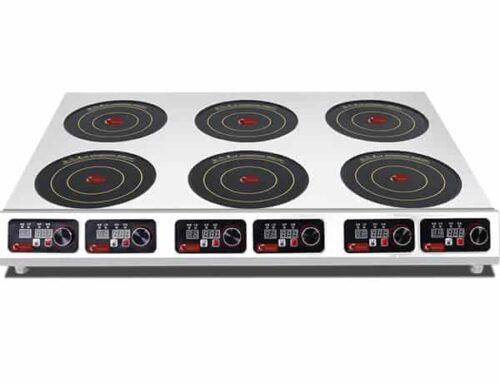
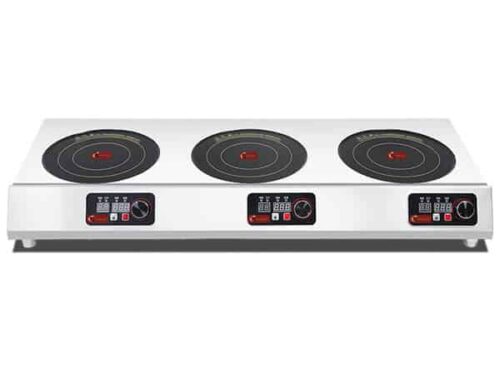
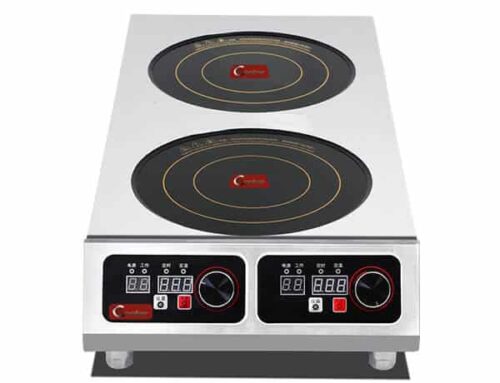
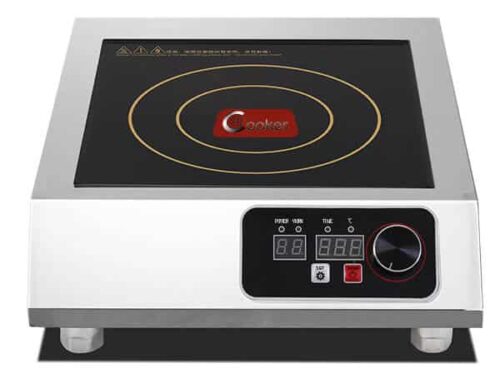
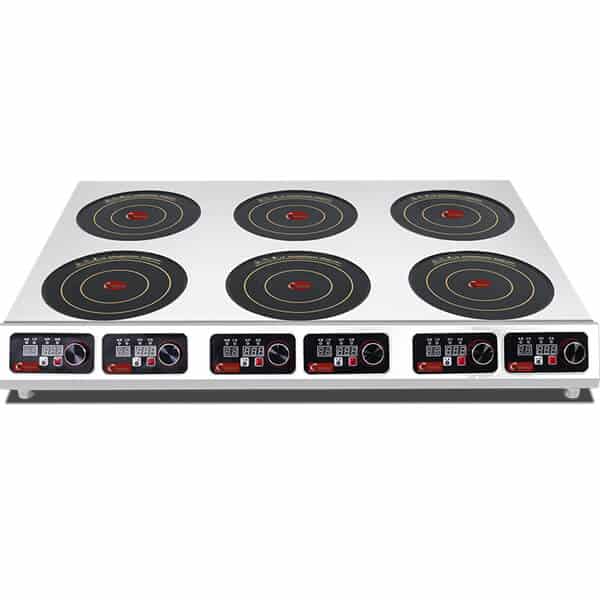
Die richtige Wahl kommerzieller Induktionsherd Erfordert den Vergleich von Modellen basierend auf den individuellen Anforderungen Ihrer Küche – ob Sie ein kleines Café mit Bedarf an einer kompakten Einheit sind oder ein Restaurant mit hohem Volumen, das Hochleistungsstärke benötigt. Keine zwei Modelle sind identisch: Unterschiede bei der Leistungsabgabe, den Kochzonen, dem Design (Einbau vs. Standgerät) und den Sonderfunktionen können die Leistung und die Kosten drastisch beeinflussen. AT Cooker, ein vertrauenswürdiger Hersteller von Induktionskochgeräten, bietet eine Reihe von Modellen, die auf unterschiedliche gewerbliche Anforderungen zugeschnitten sind – vom 10KW QRPT-A10B (Einbau/Tischgerät) bis zu Standgeräten mit 6 Kochfeldern. In diesem Leitfaden vergleichen wir spezifische kommerzielle Induktionsherd-Modelle (mit Fokus auf das Sortiment von AT Cooker, einschließlich des QRPT-A10B) anhand wichtiger Kennzahlen, um Ihnen zu helfen, das Modell zu identifizieren, das zu Ihrem Kochstil, Ihrem Platz und Ihrem Budget passt.
AT Cooker QRPT-A10B Commercial Induction Stove – Wichtige technische Daten (Basismodell)
- Leistungsabgabe: 10KW (Einzelbrenner, Drehstrom)
- Design: Dual-Nutzung (Einbau + Tischgerät), einfaches Versetzen über Verbindungsschalter
- Verarbeitungsqualität: 304# Edelstahlgehäuse, wasserdichte Bedienelemente
- Funktionen: 8 Leistungsstufen, Echtzeit-Anzeige von Leistung/Temperatur, Warnungen bei Trockenlauf/Überhitzung
- Effizienz: 90–95% (spart 50%+ Energie im Vergleich zu Gasherden)
- Abmessungen: 500×500×350mm (Produkt), passend für Pfannen ≥40cm
- Zertifizierung: CE-zugelassen, sicher für den gewerblichen Einsatz
Hochwertige Modelle bieten oft eine präzisere Temperaturregelung und größere Leistungsbereiche als Einstiegsmodelle.
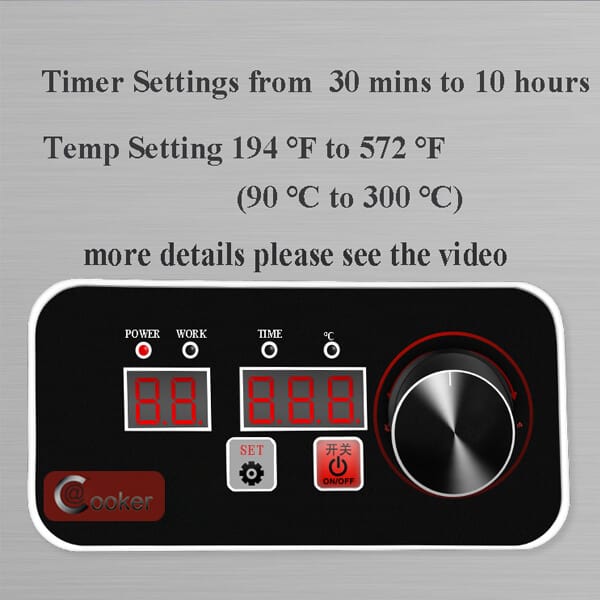
Präzision und Leistungsbereich sind die entscheidenden Unterschiede zwischen High-End- und Einstiegs- kommerzieller Induktionsherd modellen. Einstiegsmodelle (z. B. das 3,5KW-Einzelbrenner-Modell von AT Cooker) bieten typischerweise eine grundlegende Temperaturregelung (194℉–572℉) und 5–6 Leistungsstufen, geeignet für einfache Aufgaben wie Kochen oder Braten. High-End-Modelle wie der AT Cooker QRPT-A10B und der 6-Brenner BZT-A6C6 bieten jedoch überlegene Präzision und Flexibilität.
Der QRPT-A10B (High-End-Einzelbrenner) verfügt über Echtzeit-Temperaturanzeige und 8 Leistungsstufen, sodass Köche die Hitze in kleinen Schritten anpassen können – entscheidend für heikle Aufgaben wie das Köcheln von Saucen oder das Schmelzen von Schokolade bei 122℉. Im Gegensatz dazu zeigt ein Einstiegsmodell mit 3,5KW möglicherweise nur die Leistungsstufen (1–5) ohne Temperaturanzeige, was präzises Kochen erschwert. Beispielsweise berichtet eine Patisserie, die den QRPT-A10B verwendet, dass ihre Schokoladenganache jetzt durchgängig glatt ist, während das Einstiegsmodell aufgrund unpräziser Hitzekontrolle oft Verbrennungen verursachte.
Auch der Leistungsbereich unterscheidet sich: Einstiegsmodelle erreichen maximal 3,5KW, während High-End-Geräte wie der QRPT-A10B 10KW erreichen – ideal für anspruchsvolle Aufgaben wie das scharfe Anbraten großer Fleischstücke oder das Kochen von 40cm-Pfannen mit Suppe. Ein Steakhouse, das den QRPT-A10B verwendet, kann ein 5kg Ribeye in 8 Minuten scharf anbraten, gegenüber 15 Minuten mit einem Einstiegsherd mit 3,5KW. Diese Geschwindigkeit bedeutet schnelleren Service und höheren Kundendurchsatz.
Eine weitere Präzisionsfunktion bei High-End-Modellen ist die Temperaturhaltung: Der QRPT-A10B kann eine eingestellte Temperatur (z. B. 140℉ für Sous-vide-Garen) über Stunden halten, während Einstiegsmodelle diese Funktion nicht bieten. Ein Catering-Unternehmen, das die Haltefunktion des QRPT-A10B nutzt, hält Speisen bei Veranstaltungen auf sicheren Serviertemperaturen, reduziert Abfall und verbessert die Lebensmittelqualität.
Präzision & Leistung: High-End- vs. Einstiegsmodelle von AT Cooker
| Merkmal | AT Cooker QRPT-A10B (High-End-Einzelbrenner) | AT Cooker 3,5KW Einstiegs-Einzelbrenner | Vorteil für gewerbliche Küchen |
|---|---|---|---|
| Leistungsbereich | 1KW–10KW (8 Stufen) | 0,5KW–3,5KW (5 Stufen) | High-End bewältigt sowohl heikle als auch anspruchsvolle Aufgaben |
| Temperaturregelung | 122℉–842℉ (Echtzeit-Anzeige) | 194℉–572℉ (keine Anzeige) | High-End ermöglicht präzises, konsistentes Kochen |
| Sonderfunktionen | Temperaturhaltung, Trockenlaufschutz | Einfaches Ein/Aus, Leistungsstufen | High-End reduziert Abfall und verbessert die Sicherheit |
| Ideale Aufgaben | Scharfes Anbraten, Köcheln, Schmelzen, Kochen in großen Mengen | Kochen, Braten, einfaches Erhitzen | High-End eignet sich für vielfältige Menüanforderungen |
Einige kommerzielle Induktionsherde bieten mehrere Kochzonen, während andere als Einzelbrenner-Einheiten ausgelegt sind.
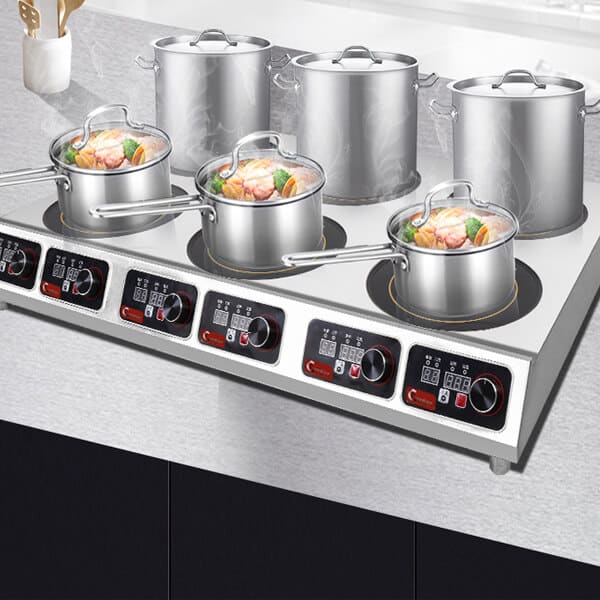
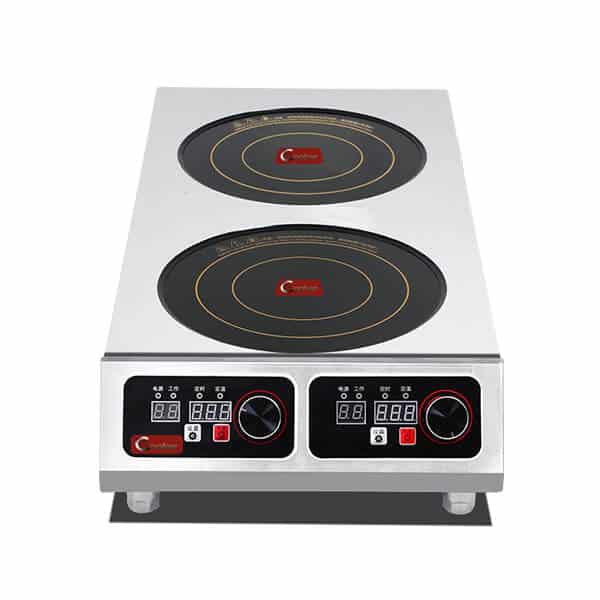
Die Anzahl der Kochzonen ist ein primäres Unterscheidungsmerkmal zwischen kommerzieller Induktionsherd Modellen – Einzelbrenner-Einheiten (wie der QRPT-A10B) vs. Mehrzonen-Herden (2–6 Brenner). Dieser Unterschied wirkt sich direkt darauf aus, wie viel Sie gleichzeitig kochen können, was entscheidend für Küchen mit unterschiedlichem Volumenbedarf ist.
Einzelbrenner-Modelle (z. B. QRPT-A10B, 3,5KW Einstiegsmodell): Diese sind kompakt, platzsparend und ideal für kleine Küchen, Food-Trucks oder als Ergänzungsstationen. Die 10KW-Leistung des QRPT-A10B macht ihn zu einer leistungsstarken Einzelbrenner-Option – geeignet für Aufgaben mit hohem Volumen wie das Kochen großer Töpfe mit Suppe, während Einstiegs-Einzelbrenner mit 3,5KW für Beilagen oder Catering geeignet sind. Ein Food-Truck, der den QRPT-A10B verwendet, kocht 40cm-Paellapfannen für über 20 Kunden gleichzeitig, dank seiner hohen Leistung und kompakten 500×500mm Größe.
Mehrzonen-Modelle (z. B. AT Cooker BZT-AZH4F 4-Brenner, BZT-A6C6 6-Brenner): Diese sind für stark frequentierte gewerbliche Küchen konzipiert, die mehrere Gerichte gleichzeitig kochen müssen. Der 4-Brenner BZT-AZH4F (3,5KW/5KW pro Zone) fasst 4×30cm-Pfannen, während der 6-Brenner BZT-A6C6 6 Gerichte gleichzeitig bewältigt – perfekt für Hotels, Buffets oder große Restaurants. Ein Hotel, das den BZT-A6C6 verwendet, bedient täglich über 300 Frühstücksgäste und kocht Eier, Speck und Haferbrei auf separaten Zonen ohne Verzögerungen.
Zentrale Kompromisse zwischen Ein- und Mehrzonenmodellen:
- Platz: Einzelbrenner (500×500mm) passen in kleine Küchen; 6-Brenner (1200×800mm) benötigen mehr Arbeitsfläche.
- Flexibilität: Mehrzonen ermöglichen das gleichzeitige Garen verschiedener Gerichte; Einzelbrenner erfordern sequenzielles Kochen.
- Kosten: Einzelbrenner sind günstiger ($500–$1.000); 6-Brenner kosten $2.000–$3.500.
- Leistung: Einzelbrenner wie der QRPT-A10B bieten höhere Leistung pro Zone (10KW) als Mehrzonen (max. 5KW pro Zone).
Viele Küchen setzen auf eine Kombination: Ein Restaurant könnte den QRPT-A10B (für große Suppenchargen) mit einem 4-Brenner-Herd (für Hauptgerichte) kombinieren, um sowohl Leistung als auch Flexibilität zu maximieren. Diese Kombination ermöglicht es ihnen, den Spitzenbetrieb ohne Engpässe zu bewältigen.
Bestimmte Modelle verfügen über programmierbare Speicherfunktionen zum Speichern häufig verwendeter Gareinstellungen.
Programmierbare Speicherfunktionen sind ein Premium-Merkmal in ausgewählten kommerzieller Induktionsherd Modellen, entwickelt um Zeit zu sparen und Konsistenz für Küchen mit wiederkehrenden Aufgaben zu gewährleisten. Diese Funktionen ermöglichen es Köchen, 3–10 häufig verwendete Leistungs-/Temperatureinstellungen (z. B. 3KW zum Pfannenrühren, 1KW zum Köcheln) zu speichern und mit einem einzigen Tastendruck abzurufen—manuelle Anpassungen entfallen und menschliche Fehler werden reduziert.
In der Produktpalette von AT Cooker verfügen High-End-Mehrzonenmodelle wie der BZT-A6C6 6-Brenner über 6 programmierbare Speicherplätze (einer pro Zone), während der QRPT-A10B Einzelbrenner 3 Speicherplätze bietet. Einstiegsmodelle (z. B. 3,5KW Einzelbrenner) verfügen nicht über diese Funktion, sodass das Personal die Einstellungen für jede Aufgabe zurücksetzen muss. Ein Kettenrestaurant, das den BZT-A6C6 verwendet, berichtet, dass Speicherfunktionen die Vorbereitungszeit um 20% reduzieren—Köche verbringen keine Zeit mehr mit der Anpassung der Leistungsstufen für Standardgerichte wie Pasta oder Burger.
So funktionieren Speicherfunktionen in der Praxis: Ein Pizzarestaurant speichert die folgenden Einstellungen auf seinem BZT-A6C6:
- Zone 1: 4KW (zum Kochen von Pizzasoße)
- Zone 2: 3KW (zum Schmelzen von Käse)
- Zone 3: 2KW (zum Warmhalten des Teigs)
- Zonen 4–6: Reserviert für Tagesangebote (einfach umprogrammierbar)
Beim Öffnen drückt das Personal eine einzige “Pizza Prep”-Taste, um alle gespeicherten Einstellungen zu aktivieren—keine manuellen Anpassungen erforderlich. Diese Konsistenz gewährleistet, dass jede Pizzasoße auf die gleiche Weise gekocht wird, unabhängig davon, welcher Koch im Dienst ist.
Im Gegensatz dazu verlässt sich ein Restaurant, das ein Einstiegsmodell ohne Speicherfunktionen verwendet, auf das Personal, sich Einstellungen zu merken, was zu Inkonsistenzen führt (z. B. eine Schicht überkochte Soße, die nächste zu wenig gegarte). Dies beeinträchtigt nicht nur die Lebensmittelqualität, sondern erhöht auch den Abfall—bis zu 15% der Soßenchargen wurden verworfen, bevor auf den speicherausgestatteten BZT-A6C6 umgestellt wurde.
Speicherfunktionen sind besonders wertvoll für Ketten oder Restaurants mit standardisierten Menüs. Eine Fast-Casual-Burgerkette mit 20 Standorten verwendet die speicherausgestatteten Modelle von AT Cooker, um sicherzustellen, dass jeder Burger bei 3,5KW für 4 Minuten gegart wird—was ein einheitliches Produkt an allen Standorten schafft.
Die Leistungsabgabe kommerzieller Induktionsherde kann erheblich variieren und liegt typischerweise zwischen 1.800 und 3.500 Watt pro Brenner.

Die Leistungsabgabe ist einer der kritischsten Faktoren beim Vergleich von kommerzieller Induktionsherd Modellen—von 1.800W (Einstiegs-Einzelbrenner) bis 10.000W (Hochleistungs-Einzelbrenner wie der QRPT-A10B) und 3.500–5.000W pro Brenner bei Mehrzonenherden. Diese Variation wirkt sich direkt auf die Garzeit, die Chargengröße und die Arten von Aufgaben aus, die ein Modell bewältigen kann.
Einstiegsmodelle (1.800W–3.500W): Diese sind für leichte Aufgaben wie Wasser kochen, Eier braten oder das Erhitzen kleiner Speisemengen ausgelegt. Der 3,5KW Einstiegs-Einzelbrenner von AT Cooker ist bei kleinen Cafés und Food Trucks beliebt, wo Platz und Budget begrenzt sind. Ein Café, das dieses Modell verwendet, kocht 2L-Kannen Kaffee in 5 Minuten, was für den Morgenansturm ausreichend ist. Bei großen Chargen stößt es jedoch an seine Grenzen—das Kochen eines 10L-Suppentopfs dauert 20 Minuten, was für den Hochvolumenbetrieb zu langsam ist.
Mittelklassemodelle (3.500W–5.000W pro Brenner): Mehrzonenherde wie der AT Cooker BZT-AZH4F (4-Brenner, 3,5KW/5KW pro Zone) fallen in diese Kategorie. Sie balancieren Leistung und Flexibilität und eignen sich für mittelgroße Restaurants. Die 5KW-Brenner kochen 10L-Suppentöpfe in 10 Minuten, während 3,5KW-Zonen das Köcheln oder Braten übernehmen. Ein Restaurant im Familienstil verwendet den BZT-AZH4F, um 4 Gerichte gleichzeitig zu kochen—Pasta, Gemüse, Soße und Fleisch—was die Vorbereitungszeit um 30% im Vergleich zu ihrem alten 3,5KW Einzelbrenner reduziert.
Hochleistungsmodelle (5.000W–10.000W): Einzelbrenner wie der QRPT-A10B (10KW) sind für industrielle Aufgaben ausgelegt—das scharfe Anbraten großer Fleischstücke, das Kochen von 40cm-Suppenpfannen oder das Pfannenrühren in kommerziellen Woks. Ein chinesisches Restaurant, das den QRPT-A10B verwendet, gart 14-Zoll-Woks mit Rindfleisch und Brokkoli in 2 Minuten und erreicht die hohe Hitze, die für “Wok Hei” (rauchiges Aroma) erforderlich ist. Diese Geschwindigkeit ermöglicht es ihnen, über 50 Wok-Gerichte pro Stunde zu servieren, was mit Einstiegsmodellen unmöglich ist.
Die Leistungsabgabe beeinflusst auch die Energieeffizienz—Modelle mit höherer Wattzahl wie der QRPT-A10B erreichen weiterhin 90–95% Effizienz (gegenüber 45% bei Gasherden), sodass schnelleres Kochen nicht höhere Energiekosten bedeutet. Ein Steakhouse, das den QRPT-A10B verwendet, berichtet, dass seine monatliche Stromrechnung $200 niedriger ist als mit seinem alten Gasherd, obwohl das Induktionsmodell eine höhere Leistungsabgabe hat.
| Modell | Leistungsabgabe | Kochzeit (10L Wasser) | Idealer Küchentyp | Monatliche Energiekosten (4 Std./Tag) |
|---|---|---|---|---|
| AT Cooker 3,5KW Einstiegs-Einzelbrenner | 500W | 20 Minuten | Kleine Cafés, Food Trucks | $80–$100 |
| AT Cooker BZT-AZH4F 4-Brenner | 500W/5.000W pro Zone | 10 Minuten (5KW-Zone) | Mittelgroße Restaurants, Hotels | $150–$180 |
| AT Cooker QRPT-A10B Einzelbrenner | 000W | 5 Minuten | Hochvolumen-Restaurants, Industrieküchen | $120–$150 |
Einige fortschrittliche Modelle verfügen über automatische Topferkennung und Abschaltautomatik für verbesserte Sicherheit und Energieeffizienz.
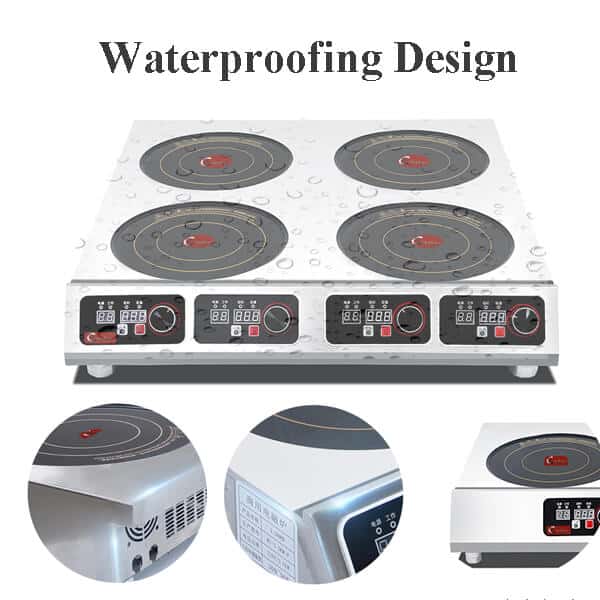
Automatische Topferkennung und Abschaltautomatik sind fortschrittliche Sicherheits-/Energiesparfunktionen, die in Mittel- bis High-End- kommerzieller Induktionsherd Modellen zu finden sind—einschließlich dem QRPT-A10B, BZT-AZH4F und BZT-A6C6 von AT Cooker. Diese Funktionen adressieren zwei zentrale Anliegen kommerzieller Küchen: Unfälle verhindern (z. B. Überhitzung) und Energieverschwendung durch Leerlauf reduzieren.
Automatische Topferkennung: Diese Funktion nutzt Sensoren, um zu erkennen, ob ein kompatibler Topf auf dem Brenner steht. Wenn kein Topf vorhanden ist (oder der Topf nicht magnetisch/zu klein ist), schaltet das Gerät die Stromzufuhr zur Zone ab. Die Topferkennung des QRPT-A10B ist hochempfindlich—sie erkennt Töpfe ≥40cm und ignoriert nicht-magnetisches Aluminium oder Kupfer. Ein Gastronom, der den QRPT-A10B nutzt, berichtet, dass diese Funktion die Energieverschwendung durch “leere Brenner” beseitigt hat—zuvor ließ das Personal Gasbrenner versehentlich eingeschaltet, was monatlich $100+ verschwendete. Mit dem QRPT-A10B schalten ungenutzte Zonen automatisch ab, was die Energiekosten um 15% senkt.
Automatic shut-off: This function turns off the burner after a set period of inactivity (e.g., 10 minutes with no pan movement) or if the stove detects overheating (e.g., a dry pot). The QRPT-A10B includes two shut-off modes:
- Anti-dry heating shut-off: Triggers if the pot boils dry, preventing damage to the stove and pan. A bakery using the QRPT-A10B to melt butter says this feature saved their $200 cast iron pan from burning after a staff member got distracted.
- Inactivity shut-off: Turns off the burner if no pan is detected for 10 minutes. A hotel kitchen using this feature reduces overnight energy waste—staff no longer forget to turn off burners after closing.
Entry-level models (e.g., AT Cooker’s 3.5KW basic single-burner) lack these features, relying on manual monitoring. A café using this entry-level model had to replace a burnt pot after a staff member left it on an active burner—costing $50 and causing a 30-minute service delay. Upgrading to the QRPT-A10B eliminated these issues.
Laut der National Restaurant Association (NRA), automatic safety features reduce kitchen accidents by 40% and energy waste by 20%. AT Cooker’s clients confirm this: a chain of diners using pan detection-equipped models saw a 35% drop in energy bills and zero pan-related accidents in their first year.
Durability and build quality can differ greatly between budget-friendly and premium commercial induction stoves.
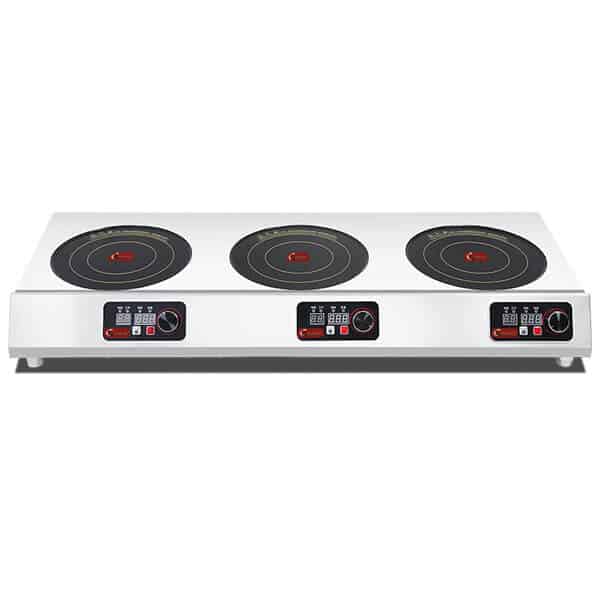
Durability and build quality are make-or-break factors for kommerzieller Induktionsherd models—budget-friendly units often use low-grade materials (thin steel, plastic controls) that wear out in 1–2 years, while premium models like the QRPT-A10B and BZT-A6C6 feature industrial-grade components designed to withstand 5–10 years of heavy commercial use.
Budget-friendly models: These typically have thin stainless steel bodies (≤1mm), plastic control knobs, and basic cooling systems. An entry-level 3.5KW model from a generic brand might cost $300–$500, but it won’t stand up to daily commercial use. A food truck owner reported that their budget stove’s plastic knobs cracked after 6 months, and the steel body rusted within a year—requiring a full replacement for $400. This “cheap” upfront cost turned into frequent expenses.
Premium models (AT Cooker QRPT-A10B, BZT-A6C6): These use 304# stainless steel (2mm thick) for the body—rust-resistant, scratch-resistant, and able to withstand impacts from pots or utensils. The QRPT-A10B’s knobs are made of high-impact plastic with rubber gaskets (waterproof and heat-resistant), and the cooling system features back-mounted powerful fans that prevent overheating. A restaurant using the QRPT-A10B for 3 years reports no rust, no cracked knobs, and only one minor repair (a fan replacement under warranty).
Key build quality differences:
- Kochfeldoberfläche: Premium models use 6mm thick tempered glass (resistant to scratches and thermal shock), while budget models use 3mm glass that cracks easily. The QRPT-A10B’s glass surface survived a 2kg pot being dropped on it, while a budget model’s glass shattered under the same impact.
- Internal components: Premium models use German Infineon IGBT modules (for stable power delivery), while budget models use generic modules that fail frequently. The QRPT-A10B’s IGBT module is rated for 10,000+ hours of use, vs. 2,000 hours for budget modules.
- Sealing and waterproofing: Premium models like the QRPT-A10B have IPX4 waterproof ratings (resistant to splashes), while budget models lack proper sealing—liquid can seep into controls and cause short circuits. A café using a budget model had to replace the control board after a sauce spill, costing $150.
While premium models cost more upfront ($1,000–$3,500), they save money in the long run. A hotel that switched from budget stoves to AT Cooker’s premium models reduced replacement costs by 70%—they now replace stoves every 5 years instead of 2.
Build Quality: AT Cooker Premium vs. Budget Stoves
| Komponente | AT Cooker QRPT-A10B (Premium) | Budget Commercial Induction Stove | Lebensdauer |
|---|---|---|---|
| Gehäusematerial | 2mm 304# stainless steel | 1mm low-grade steel | 5–10 years vs. 1–2 years |
| Kochfeldoberfläche | 6mm tempered glass (IPX4) | 3mm glass (no waterproofing) | 5+ years vs. 6–12 months |
| Control Knobs | High-impact plastic + rubber gaskets | Basic plastic | 3+ years vs. 3–6 months |
| IGBT Module | German Infineon (10,000+ hours) | Generic (2,000+ hours) | 5+ years vs. 6–12 months |
Certain brands focus on compact designs for space-saving in small commercial kitchens.
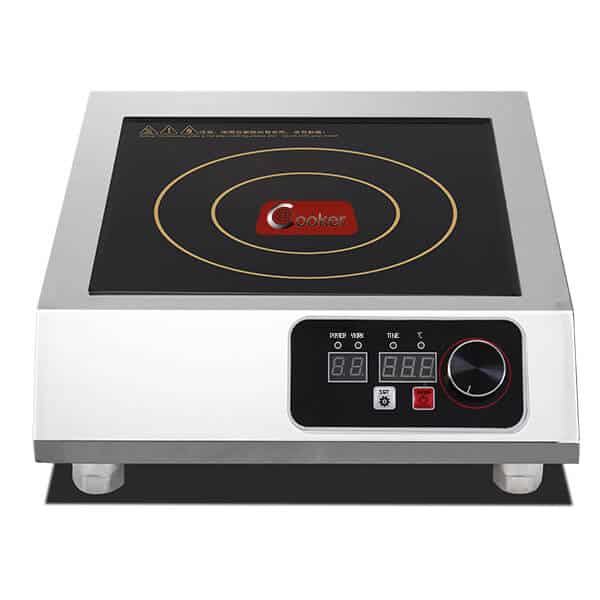
Space is a precious commodity in small commercial kitchens (e.g., food trucks, kiosks, small cafés), so many brands—including AT Cooker—offer kommerzieller Induktionsherd models with compact designs. These units prioritize small footprints without sacrificing critical features like power or safety, making them ideal for tight spaces.
AT Cooker’s compact models include the QRPT-A10B (500×500×350mm) and the 3.5KW entry-level single-burner (480×570×310mm). Both are dual-use (built-in + tabletop), so they can be mounted under counters or used on limited counter space. A food truck owner using the QRPT-A10B says it fits perfectly in their 150sq. ft. truck, leaving room for prep tables and storage—something a 6-burner range (1200×800mm) could never do.
Compact models often include space-saving features like:
- Vertical cooling fans: The QRPT-A10B’s back-mounted fans (instead of side-mounted) reduce width, making it easier to fit between cabinets.
- Detachable power cords: For easy storage when not in use—critical for food trucks that need to maximize space during transport.
- Low profile: The QRPT-A10B’s 350mm height fits under standard commercial counters (≥400mm), unlike tall freestanding ranges.
Despite their small size, compact models like the QRPT-A10B don’t compromise on power. Its 10KW output lets a small sushi restaurant boil 40cm pans of rice in 8 minutes—enough to serve 30+ customers per hour. This is a big advantage over compact gas stoves, which are less powerful and require ventilation (taking up more space).
Comparing compact vs. full-size models:
- Footprint: Compact (500×500mm) vs. full-size 6-burner (1200×800mm)—saves 68% space.
- Installation: Compact models are plug-and-play; full-size ranges may require hardwiring and extra ventilation.
- Portability: Compact models like the QRPT-A10B are lightweight (25kg) and easy to move; full-size ranges weigh 50–100kg.
A kiosk selling noodles uses the QRPT-A10B as their primary cooking unit—its compact size fits in their 100sq. ft. space, and its 10KW power cooks large batches of noodles quickly. They report that the stove has helped them increase sales by 25% due to faster service.
Some models offer specialized functions like a low-temperature hold feature for delicate sauces or melting chocolate.

Specialized functions like low-temperature hold set high-end kommerzieller Induktionsherd models apart from basic ones. These features are tailored to specific cooking tasks that require precision—like melting chocolate (122℉), simmering delicate sauces (140℉), or keeping food warm (165℉)—and are critical for restaurants with diverse menus (e.g., patisseries, fine-dining establishments).
AT Cooker’s QRPT-A10B and BZT-A6C6 6-burner models include a low-temperature hold function, while entry-level models do not. The QRPT-A10B’s hold function maintains temperatures between 122℉ and 212℉ for hours, with real-time display to ensure accuracy. A patisserie using the QRPT-A10B melts 2kg of chocolate at 122℉ daily—no more seizing or burning, which was a common issue with their old entry-level stove. The hold function also lets them prepare chocolate ganache in advance, saving time during peak service.
How low-temperature hold works in practice: A fine-dining restaurant uses the QRPT-A10B to simmer a red wine reduction at 140℉ for 2 hours. The stove automatically adjusts power to maintain the set temperature, ensuring the sauce thickens evenly without scorching. With an entry-level model, the chef would have to monitor the sauce constantly, adjusting power manually every 10 minutes—taking time away from other tasks.
Other specialized functions in high-end AT Cooker models:
- Boost mode: The BZT-A6C6’s 5KW burners include a 1-minute boost to 6KW for rapid heating—ideal for searing meats or bringing water to a boil quickly. A steakhouse uses this mode to sear steaks in 1 minute, achieving a crispy crust.
- Sous vide mode: The QRPT-A10B can hold temperatures as low as 104℉ for sous vide cooking—perfect for restaurants offering precision-cooked dishes like tender pork chops or poached eggs.
- Timer-linked hold: The BZT-AZH4F’s 4-burner model lets users set a timer (e.g., 30 minutes for soup), then automatically switches to hold mode (165℉) when the timer ends. A catering company uses this to cook soup in advance, knowing it will stay warm until serving.
Entry-level models lack these functions, limiting their versatility. A café that added the QRPT-A10B to their kitchen now offers homemade chocolate desserts and sous vide eggs—menu items they couldn’t handle with their old entry-level stove. This has increased their average order value by $3 per customer.
The user interface complexity varies, with some models featuring simple dial controls and others using digital touchscreens.
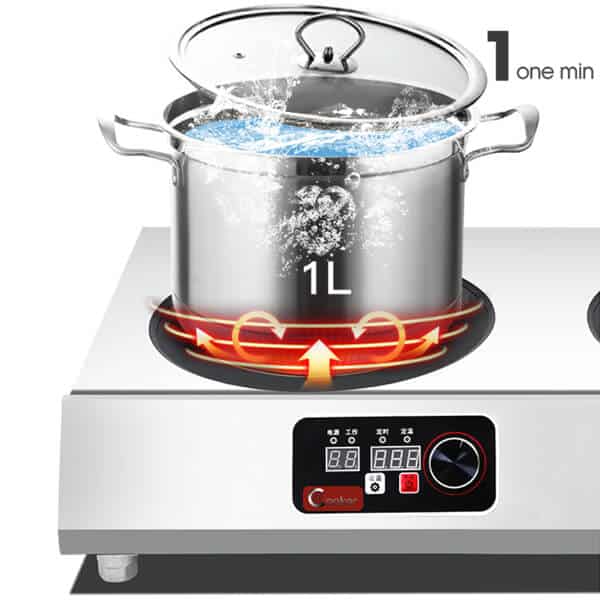
User interface (UI) design is a key differentiator between kommerzieller Induktionsherd models—ranging from simple dial controls (entry-level to mid-range) to advanced digital touchscreens (high-end). This variation impacts ease of use, training time, and the ability to access advanced features.
Simple dial controls: Models like the QRPT-A10B and entry-level 3.5KW single-burner use旋钮 (knob) controls—intuitive, durable, and ideal for kitchens with high staff turnover. The QRPT-A10B’s knobs have clear markings for power levels (1–8) and temperature, so new staff can learn to use the stove in 5 minutes. A diner with frequent staff changes reports that dial controls have reduced training time by 40% compared to their old touchscreen stove. Dials are also waterproof and easy to clean—sauce spills can be wiped off with a damp cloth, no risk of damaging electronic components.
Digital touchscreens: High-end multi-zone models like the BZT-A6C6 6-burner offer touchscreen UIs with features like programmable memory, timer links, and real-time energy usage tracking. The touchscreen displays all zones at once, making it easy to monitor multiple dishes. A hotel kitchen using the BZT-A6C6’s touchscreen says it’s “like having a command center” for their buffet—they can adjust 6 zones simultaneously and save settings for future use. However, touchscreens require more training (1–2 hours for new staff) and are more vulnerable to damage from spills or impacts. A café using a touchscreen model had to replace the screen after a water spill, costing $300.
Key UI tradeoffs:
- Ease of use: Dials are simpler for daily tasks; touchscreens are better for complex functions.
- Haltbarkeit: Dials (mechanical) last 3–5 years; touchscreens (electronic) may need replacement after 2–3 years.
- Feature access: Dials require scrolling to access settings; touchscreens let users tap directly into functions like hold mode or boost.
- Visibility: Dials have physical markings (visible in low light); touchscreens have backlit displays (better for bright kitchens).
AT Cooker offers both options to suit different needs: Dials for small kitchens or those prioritizing simplicity, touchscreens for large operations needing advanced features. A chain of fast-food restaurants uses dial-equipped models (QRPT-A10B) in their locations, while their central kitchen uses a touchscreen BZT-A6C6 for batch cooking—balancing simplicity and functionality across their operations.
High-performance models may include features like boost modes for rapid heating or precision temperature probes.

High-performance kommerzieller Induktionsherd models—like AT Cooker’s QRPT-A10B and BZT-A6C6—incorporate advanced features to enhance speed and precision: boost modes for rapid heating and precision temperature probes for accurate cooking. These features are designed for high-volume or fine-dining kitchens where every second and degree matters.
Boost mode: This feature temporarily increases power output (e.g., from 5KW to 6KW on the BZT-A6C6) for 1–5 minutes, cutting heating time by 30%. The QRPT-A10B’s boost mode pushes its 10KW burner to 11KW for 2 minutes, ideal for searing large cuts of meat or bringing 40cm pans of water to a boil quickly. A steakhouse using the QRPT-A10B’s boost mode sears a 3kg ribeye in 90 seconds—30 seconds faster than without boost—achieving a perfect Maillard reaction (crispy crust) without overcooking the interior.
Boost mode is especially valuable during peak service. A Chinese restaurant using the BZT-AZH4F 4-burner model (with boost) cooks 20% more wok dishes per hour—boosting a 5KW burner to 6KW lets them stir-fry batches in 90 seconds instead of 2 minutes. This speed increase lets them handle rush-hour orders without delays.
Precision temperature probes: High-end models like the BZT-A6C6 offer optional wireless probes that insert into food, sending real-time temperature data to the stove. The stove automatically adjusts power to maintain the target temperature (e.g., 145℉ for medium-rare steak), eliminating guesswork. A fine-dining restaurant using this feature reports that 95% of their steaks are cooked to the correct temperature, up from 75% with manual monitoring. The probes also reduce staff time—chefs no longer need to check meat with a thermometer every minute.
Entry-level and mid-range models lack these features. A café using a 3.5KW entry-level stove takes 3 minutes to boil a 2L pot of water, while the QRPT-A10B with boost does it in 90 seconds. This may seem like a small difference, but it adds up to 10–15 minutes saved per hour during peak service.
These high-performance features also improve food quality. A hotel using the BZT-A6C6’s temperature probes serves consistently cooked lamb chops, which has led to a 15% increase in positive reviews. Guests frequently comment on the “perfectly cooked” meat—a difference that sets the hotel apart from competitors.
Some commercial induction stoves are designed for front-of-house cooking, with sleek designs and quieter operation.

Front-of-house cooking (e.g., open kitchens, buffet stations, or live cooking shows) requires kommerzieller Induktionsherd models that balance performance with aesthetics and quiet operation. These models differ from back-of-house units by featuring sleek designs, low noise levels, and minimal visual clutter—ensuring they enhance the dining experience rather than distract from it.
AT Cooker’s front-of-house models include the QRPT-A10B (compact, sleek design) and the BZT-A6C6 (6-burner with tempered glass surface). Key front-of-house features:
- Sleek aesthetics: The QRPT-A10B’s 304# stainless steel body and black tempered glass surface blend with modern restaurant decor. Unlike industrial-looking back-of-house ranges, it has no exposed vents or bulky controls. A restaurant with an open kitchen reports that customers frequently compliment the “clean, modern look” of the QRPT-A10B.
- Quiet operation: Front-of-house models have enhanced sound-dampening (e.g., insulated cooling fans) to keep noise below 55dB—quieter than a normal conversation. The QRPT-A10B’s fan runs at 50dB, so diners can talk easily even when the stove is in use. Back-of-house models like the BZT-AZH4F are slightly louder (58dB), which is acceptable for busy kitchens but not for front-of-house.
- Low heat emission: Induction stoves heat cookware, not the surrounding air—critical for front-of-house, where guests are nearby. The QRPT-A10B’s surface stays below 150℉ during use, so diners don’t feel overheated. A buffet using the QRPT-A10B for live pasta cooking says guests no longer complain about “hot spots” near the station.
- Easy cleaning: The QRPT-A10B’s seamless glass surface wipes clean in 60 seconds—important for front-of-house, where appearance matters. Staff can quickly clean spills between batches, keeping the station looking tidy.
Back-of-house models lack these features. A restaurant that tried using a back-of-house 4-burner range in their open kitchen received complaints about noise (65dB) and the “industrial look”—they switched to the QRPT-A10B and saw a 10% increase in customer satisfaction.
Front-of-house models also prioritize safety. The QRPT-A10B’s anti-overheating and pan detection features prevent accidents (e.g., burnt pans) that could disrupt the dining experience. A hotel using the QRPT-A10B in their lobby buffet has had zero safety incidents in 2 years, thanks to these features.
Certain models are specifically engineered for heavy-duty use in high-volume commercial kitchens.

High-volume commercial kitchens (e.g., large restaurants, hotels, catering companies) require kommerzieller Induktionsherd models engineered for heavy-duty use—24/7 operation, frequent high-power cooking, and minimal downtime. These models differ from standard units in their robust construction, enhanced cooling systems, and industrial-grade components.
AT Cooker’s heavy-duty models include the QRPT-A10B (10KW single-burner) and BZT-A6C6 (6-burner, 3.5KW/5KW per zone). Key heavy-duty features:
- Industrial-grade components: The QRPT-A10B uses a double-wound induction coil (vs. single-wound in standard models) that withstands 10,000+ hours of use. A catering company using the QRPT-A10B for 12-hour events, 7 days a week, reports no coil degradation after 2 years.
- Enhanced cooling systems: The BZT-A6C6 has 6 independent cooling fans (one per zone) and a heat-dissipating stainless steel body—preventing overheating during extended use. A hotel kitchen using the BZT-A6C6 for 16-hour buffet service has never experienced overheating warnings, unlike their old standard model (which shut down twice weekly).
- High weight capacity: The QRPT-A10B’s glass surface supports pans up to 50kg (vs. 20kg for standard models)—ideal for large stock pots. A soup kitchen using the QRPT-A10B boils 40kg pots of soup daily, with no damage to the stove.
- Quick recovery time: Heavy-duty models regain full power faster after use. The QRPT-A10B returns to 10KW in 30 seconds after boiling a pot of water, vs. 1 minute for standard models. This speed is critical for high-volume service, where every second counts.
Standard models (e.g., 3.5KW entry-level single-burner) can’t handle heavy-duty use. A large restaurant that tried using 4 standard models in their kitchen saw frequent breakdowns—coils failed every 3 months, and fans overheated during peak service. Switching to 2 QRPT-A10B units reduced repairs by 90% and cut downtime from 10 hours monthly to 1 hour.
Heavy-duty models also offer better warranty coverage. AT Cooker’s 5-year warranty for the QRPT-A10B includes parts and labor for industrial use, while standard models have 1–2 year warranties. A hospital kitchen using the QRPT-A10B had a fan replaced under warranty after 3 years—no cost, and the repair was done on-site in 2 hours.
Heavy-Duty vs. Standard AT Cooker Models
| Merkmal | AT Cooker QRPT-A10B (Heavy-Duty) | AT Cooker 3.5KW Standard Single-Burner | High-Volume Kitchen Benefit |
|---|---|---|---|
| Coil Design | Double-wound (10,000+ hours) | Single-wound (2,000+ hours) | Less frequent coil replacement |
| Kühlsystem | Dual back fans + heat-dissipating body | Single side fan | No overheating during 24/7 use |
| Weight Capacity | 50kg | 20kg | Handles large stock pots |
| Erholungszeit | 30 seconds | 60 seconds | Faster cooking during peak service |
| Garantie | 5 years (industrial use) | 1 year (light use) | Lower long-term repair costs |
The availability of compatible cookware can influence the choice between different induction stove models and brands.

Compatible cookware is a critical, often overlooked factor when comparing kommerzieller Induktionsherd models. Induction cooking requires ferromagnetic cookware (e.g., cast iron, magnetic stainless steel), but specific models may have additional requirements (e.g., minimum pan size, flat bottoms) that vary by brand and power output. These requirements can influence which model you choose, especially if you already have existing cookware.
AT Cooker models have clear cookware compatibility guidelines, making it easy to match stoves to your existing pots and pans:
- QRPT-A10B (10KW single-burner): Requires pans ≥40cm in diameter (to match its large heating zone) and flat bottoms ≥3mm thick (for optimal heat transfer). Magnetic materials (cast iron, 430-series stainless steel) are mandatory. A restaurant with existing 40cm cast iron stock pots found the QRPT-A10B a perfect match—no need to buy new cookware.
- BZT-AZH4F (4-burner, 3.5KW/5KW): Works with pans ≥30cm (standard commercial size) and flat bottoms ≥2mm thick. It’s compatible with most commercial ferromagnetic cookware, including 12–14 inch woks. A Chinese restaurant using existing 30cm woks with the BZT-AZH4F reports no compatibility issues—woks heat evenly and fit perfectly on the burners.
- Entry-level 3.5KW single-burner: Fits pans ≥22cm, making it suitable for small commercial cookware (e.g., 10-inch frying pans). A café with existing 22cm stainless steel pans could use them with the entry-level model, saving $500 on new cookware.
Other brands may have stricter or less clear guidelines. A restaurant that purchased a generic 5KW model found it required pans ≥35cm—their existing 30cm pans didn’t work, forcing them to buy new ones for $800. AT Cooker’s detailed compatibility charts (available on their website and in user manuals) prevent these costly surprises.
For kitchens without existing cookware, AT Cooker offers a range of compatible commercial cookware—cast iron pans, stainless steel pots, and woks—designed to work seamlessly with their stoves. A new restaurant that bought the QRPT-A10B and matching 40cm cast iron pot saved 15% on their cookware purchase (bundle discount) and ensured perfect compatibility.
Compatibility also affects performance. Using incompatible cookware (e.g., non-magnetic aluminum, warped pans) with induction stoves reduces efficiency by 30–40% and can damage the stove. A diner using non-magnetic pans with their QRPT-A10B noticed the stove overheated frequently—switching to magnetic cast iron pans resolved the issue and restored 95% efficiency.
Gewerbliche Küchenausstattung – von AT Cooker
- ✔Als Markenhersteller von professionellen kommerziellen Induktionskochgeräten hat AT Cooker auf die Bedürfnisse von Restaurants und Hotels reagiert und normative kommerzielle Kochgeräte mit der allerneuesten Induktionstechnologie entwickelt.
- ✔Diese nahtlosen, echten gewerblichen Küchengeräte in kommerzieller Qualität bieten uns die Möglichkeit, Geräte unserer Wahl in eine nahtlose, multifunktionale Kochausstattung zu integrieren, die eine effiziente, kostengünstige, sichere, grüne und nachhaltige gewerbliche Küche schafft. Wir haben Standardgeräte, die viele gewerbliche Küchen bedienen können.
- ✔AT Cooker bietet immer professionellen Service. Von Material über Design bis zur Produktion konzentrieren wir uns auf Qualität, Leistung und Zuverlässigkeit, um sicherzustellen, dass für jeden einzelnen unserer Kunden die beste Lösung geliefert wird. Haben Sie eine gewerbliche Küche? Wir werden einer Ihrer besten Partner sein.