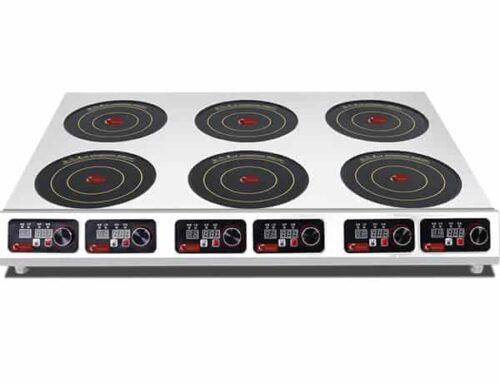
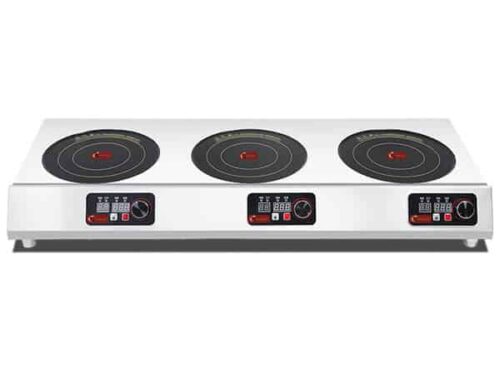
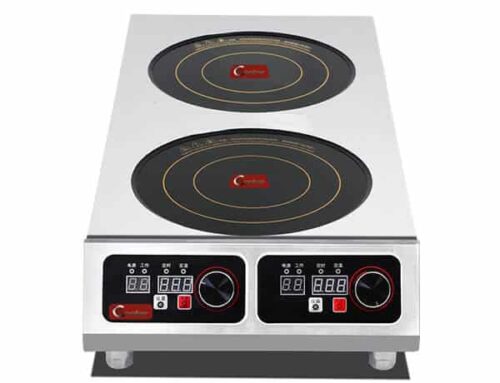
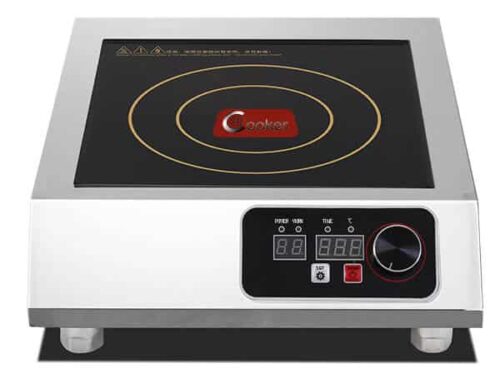
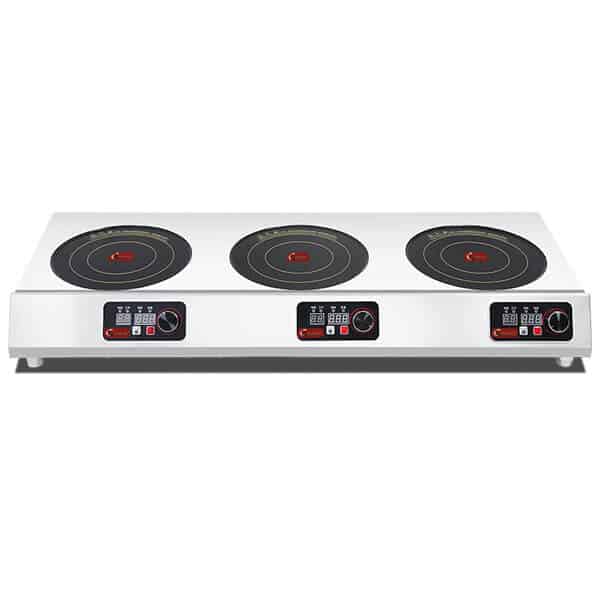
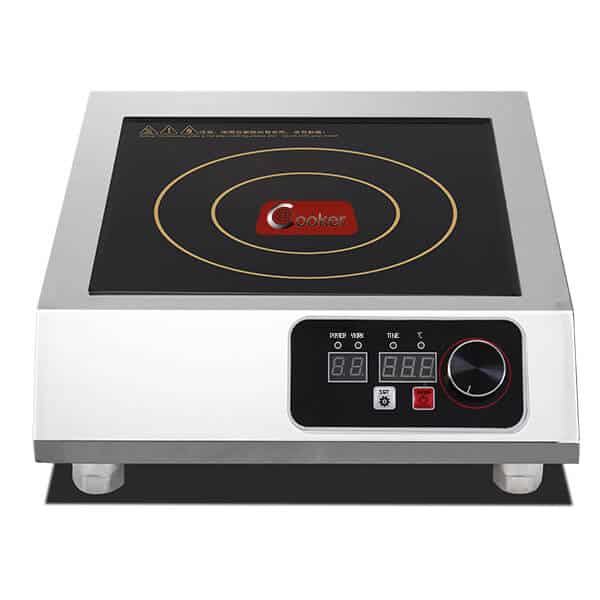
In qualità di leader produttore di attrezzature per cucine professionali, AT Cooker progetta i propri prodotti tenendo conto delle reali esigenze delle cucine—e poche esigenze sono più critiche di una facile pulizia e manutenzione. Le cucine professionali lavorano a ritmo serrato, con il personale che gestisce più attività contemporaneamente nelle ore di punta; passare ore a strofinare piani cottura o riparare componenti complessi è un lusso che nessun ristorante può permettersi. Il nostro piano cottura a induzione da appoggio BZT-A6C6 con 6 fuochi è progettato per risolvere questo problema: combina prestazioni potenti (3,5KW/5KW×6 fuochi, 95% di efficienza energetica) con un design a bassa manutenzione che riduce i tempi di pulizia del 50% rispetto ai fornelli a gas o elettrici tradizionali. In questa guida analizzeremo esattamente quanto sia facile pulire e mantenere i fornelli a induzione commerciali come il BZT-A6C6, utilizzando dettagli specifici del prodotto e feedback reali dei clienti per dimostrare perché l'induzione è la scelta intelligente per le cucine impegnate.
AT Cooker Caratteristiche principali del BZT-A6C6 per una facile pulizia e manutenzione
- Superficie del piano cottura: vetro temperato da 6 mm di spessore (resistente ai graffi, facile da pulire, nessun residuo bruciato)
- Materiale corpo: acciaio inossidabile 304 (resistente alla ruggine, semplice da igienizzare)
- Progettazione: nessuna griglia, bruciatore o bobina (elimina le zone difficili da raggiungere)
- Funzioni di sicurezza: rilevamento della pentola, avviso di surriscaldamento (riduce i problemi di manutenzione)
- Sistema di raffreddamento: prese d'aria accessibili (facili da pulire, prevengono il surriscaldamento)
- Comandi: interruttori a manopola + display LED (sigillati, nessun accumulo di residui alimentari)
- Garanzia: 2 anni (riduce al minimo i costi e i disagi di riparazione)
I fornelli a induzione commerciali hanno superfici lisce e piatte facili da pulire con un panno umido o una spugna.

La prima cosa che noterete dei fornelli a induzione commerciali—in particolare del nostro piano cottura a induzione da appoggio BZT-A6C6 con 6 fuochi—è la loro superficie liscia e piatta. A differenza dei fornelli a gas con griglie o dei fornelli elettrici a spirale con resistenze rialzate, i piani cottura a induzione hanno un'unica superficie continua che non lascia spazio all'accumulo di residui alimentari. Questo design rende la pulizia semplice come passare un panno umido o una spugna—niente strofinamento, niente smontaggio, niente frustrazione.
La superficie del BZT-A6C6 è realizzata in vetro temperato da 6 mm di spessore, che non è solo durevole ma anche non poroso. Ciò significa che le fuoriuscite (come salsa, olio o residui di cibo) rimangono sulla superficie invece di penetrare, così potete rimuoverle in pochi secondi. Un ristorante a Chicago che utilizza il BZT-A6C6 riferisce che il personale può pulire l'intero piano cottura da 1200×800 mm in 2 minuti tra il servizio di colazione e quello di pranzo—rispetto ai 10 minuti del loro vecchio fornello a gas, che richiedeva la rimozione delle griglie e lo strofinamento dei bruciatori.
Come pulire la superficie liscia del BZT-A6C6:
- Spegnere il piano cottura e lasciarlo raffreddare al tatto (solitamente 5–10 minuti dopo l'uso).
- Rimuovere i residui sciolti (come briciole) con un panno di carta asciutto.
- Inumidire una spugna morbida o un panno in microfibra con acqua calda (aggiungere una goccia di detergente delicato per le fuoriuscite grasse).
- Pulire la superficie con movimenti circolari—concentrarsi sulle aree con fuoriuscite, ma evitare di premere troppo forte (il vetro è resistente ai graffi, ma non è necessaria una forza eccessiva).
- Asciugare la superficie con un panno pulito per prevenire aloni d'acqua.
Questo processo funziona per il 90% delle fuoriuscite quotidiane, ed è così semplice che anche il personale nuovo può padroneggiarlo in pochi minuti. Un'azienda di catering che utilizza il BZT-A6C6 per eventi esterni afferma che la superficie liscia è “un punto di svolta” per la pulizia in movimento—tengono una piccola spugna nel loro kit e possono pulire il piano cottura tra un lotto di cibo e l'altro, garantendo una postazione pulita per ogni cliente.
Secondo il Associazione Nazionale dei Ristoranti (NRA), i piani cottura a superficie liscia riducono il tempo di pulizia giornaliero del 40% per le cucine professionali. I nostri clienti lo confermano: un hotel che utilizza il BZT-A6C6 nella propria cucina a buffet ha risparmiato 8 ore di tempo di pulizia a settimana—tempo che il personale ora dedica al servizio clienti invece che allo strofinamento.
Le fuoriuscite e gli schizzi non si bruciano sulla superficie del piano cottura, rendendo la pulizia più rapida rispetto ai fornelli a gas o elettrici tradizionali.
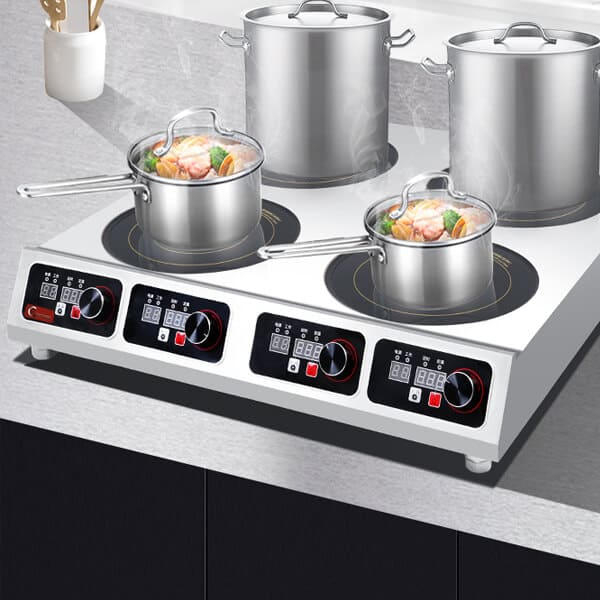
Uno dei maggiori vantaggi dei fornelli a induzione commerciali come il nostro piano cottura a induzione commerciale BZT-A6C6 è che le fuoriuscite non si bruciano sulla superficie. A differenza dei fornelli a gas (dove le fiamme riscaldano direttamente il piano cottura) o dei fornelli elettrici a spirale (dove le bobine calde trasferiscono calore alla superficie), l'induzione cucina generando calore all'interno delle pentole—la superficie del piano cottura rimane relativamente fredda (anche a 5KW di potenza). Ciò significa che le fuoriuscite atterrano su una superficie fredda e non si bruciano né si incrostano, rendendo la pulizia esponenzialmente più rapida.
Confrontiamo: la superficie del bruciatore di un fornello a gas raggiunge 600–800℉ durante l'uso—se la salsa fuoriesce, si brucia formando una crosta dura che richiede lo strofinamento con pagliette abrasive. La superficie di un fornello elettrico a spirale raggiunge 500–700℉, causando lo stesso problema. La superficie in vetro del BZT-A6C6, tuttavia, rimane sotto i 150℉ durante l'uso (anche con un fuoco da 5KW)—fuoriuscite come salsa di pomodoro o olio rimangono liquide o morbide, così potete rimuoverle con un panno umido. Una pizzeria che utilizza il BZT-A6C6 afferma di non passare più 15 minuti a raschiare formaggio bruciato dal piano cottura dopo il servizio—la pulizia richiede 2 minuti, anche dopo un'intensa cena di punta.
Questo è un punto di svolta per la cottura ad alto contenuto di grassi o salse. Un ristorante messicano che utilizza il BZT-A6C6 per preparare enchiladas riferisce che gli schizzi d'olio (un problema comune con la frittura) sono “nessun problema”—puliscono la superficie tra un lotto e l'altro, e il piano cottura rimane pulito per tutto il turno. Con il loro vecchio fornello a gas, l'olio si bruciava sulle griglie, richiedendo una pulizia profonda a fine giornata.
Anche le fuoriuscite zuccherine—come sciroppo o caramello—che possono corrodere i piani cottura a gas o elettrici, sono facili da gestire con il BZT-A6C6. Poiché la superficie rimane fredda, le sostanze zuccherine non si induriscono immediatamente; potete rimuoverle con acqua calda prima che causino danni. Un caffè per la colazione che utilizza il BZT-A6C6 per i pancake afferma che le fuoriuscite di sciroppo ora sono “un non-problema”, mentre il loro vecchio fornello elettrico presentava macchie permanenti di sciroppo nel giro di pochi mesi.
Confronto dei tempi di pulizia: tipi di piano cottura
| Tipo di piano cottura | Comportamento delle fuoriuscite | Tempo di pulizia giornaliero (4 ore di utilizzo) | Tempo di pulizia profonda settimanale | Rischio di macchie |
|---|---|---|---|---|
| AT Cooker BZT-A6C6 (Induzione) | Le fuoriuscite rimangono morbide, nessuna bruciatura | 10–15 minuti | 30 minuti | Basso (il vetro temperato resiste alle macchie) |
| Piano cottura commerciale a gas | Gli schizzi si bruciano su griglie/bruciatori | 30–45 minuti | 2–3 ore | Alto (gli schizzi bruciati causano macchie permanenti) |
| Piano cottura commerciale elettrico a spirale | Gli schizzi si cuociono sulle spirali/sulla superficie | 25–35 minuti | 1,5–2 ore | Medio (le spirali trattengono particelle di cibo) |
La maggior parte dei fornelli a induzione commerciali presenta un piano in vetro temperato o ceramica che resiste a graffi e macchie.
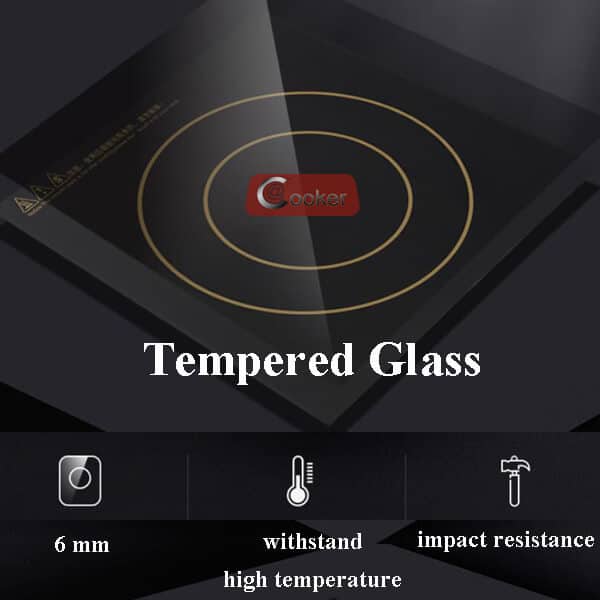
La durabilità della superficie di un piano cottura commerciale influisce direttamente sulle sue esigenze di manutenzione—e la maggior parte dei fornelli a induzione commerciali, inclusi i nostri piano cottura a induzione da banco per ristorante BZT-A6C6, utilizza piani in vetro temperato o ceramica che resistono a graffi e macchie. Questa durabilità significa che il piano cottura rimane pulito e funzionale per anni, anche con un uso commerciale intenso, riducendo la necessità di riparazioni o sostituzioni.
Il vetro temperato da 6 mm del BZT-A6C6 è una caratteristica distintiva. Il vetro temperato si ottiene riscaldando il vetro a 600–700℃ e raffreddandolo rapidamente, rendendolo 4–5 volte più resistente del vetro normale. Resiste ai graffi causati dagli utensili in metallo (sebbene consigliamo comunque utensili in silicone o legno per sicurezza) e non si macchia a causa di cibo, olio o prodotti per la pulizia. Una steakhouse che utilizza il BZT-A6C6 per scottare le carni riferisce che il suo piano cottura appare ’come nuovo“ dopo 18 mesi di uso quotidiano—nessun graffio dalle padelle in ghisa, nessuna macchia d'olio, nessuna scoloritura.
Perché il vetro temperato è migliore di altre superfici per uso commerciale:
- Resistenza ai graffi: Il vetro normale si graffia facilmente a causa di pentole o utensili, ma il vetro temperato resiste agli urti minori. Il vetro del BZT-A6C6 può sopportare urti accidentali da pentole in acciaio inossidabile da 12 pollici senza graffiarsi.
- Resistenza alle macchie: A differenza dell'acciaio inossidabile (che mostra macchie d'acqua e macchie d'olio), il vetro temperato è non poroso e respinge i liquidi. Un café che utilizza il BZT-A6C6 afferma di non dover mai lucidare la superficie per rimuovere le macchie—è sufficiente una rapida passata con acqua.
- Resistenza al calore: Anche se la superficie del BZT-A6C6 rimane fredda durante l'uso, può sopportare temperature elevate (fino a 800℃) senza creparsi. Questo è fondamentale per le cucine commerciali, dove le pentole possono essere spostate rapidamente o appoggiate accidentalmente sulla superficie.
- Facile da igienizzare: Il vetro temperato è non poroso, quindi batteri e germi non possono nascondersi nei pori—importante per le cucine commerciali che devono rispettare rigorosi standard igienici. Una mensa ospedaliera che utilizza il BZT-A6C6 afferma che la superficie in vetro è “facile da igienizzare” tra un turno e l'altro, aiutandoli a mantenere la conformità alle norme sanitarie.
Sebbene i piani in ceramica siano utilizzati anche in alcuni fornelli a induzione, preferiamo il vetro temperato per il BZT-A6C6 perché è più resistente alla scheggiatura. La ceramica può creparsi se una pentola pesante viene lasciata cadere, ma il vetro temperato è più flessibile e meno probabile che si rompa. Un'azienda di catering che utilizza il BZT-A6C6 per eventi all'aperto afferma di aver lasciato cadere pentole sul piano cottura due volte, e il vetro non si è scheggiato—cosa che il loro vecchio fornello a induzione in ceramica non poteva sopportare.
Consiglio professionale per la manutenzione del vetro temperato
Per mantenere la superficie in vetro del BZT-A6C6 come nuova, evitare l'uso di detergenti a base di ammoniaca (possono opacizzare il vetro nel tempo). Attenersi a sapone per piatti delicato e acqua, o a detergenti specializzati per piani cottura a induzione (vedere la sezione successiva) per le macchie ostinate.
La pulizia regolare con un detergente delicato e acqua è solitamente sufficiente per mantenere l'aspetto e l'igiene del piano cottura.
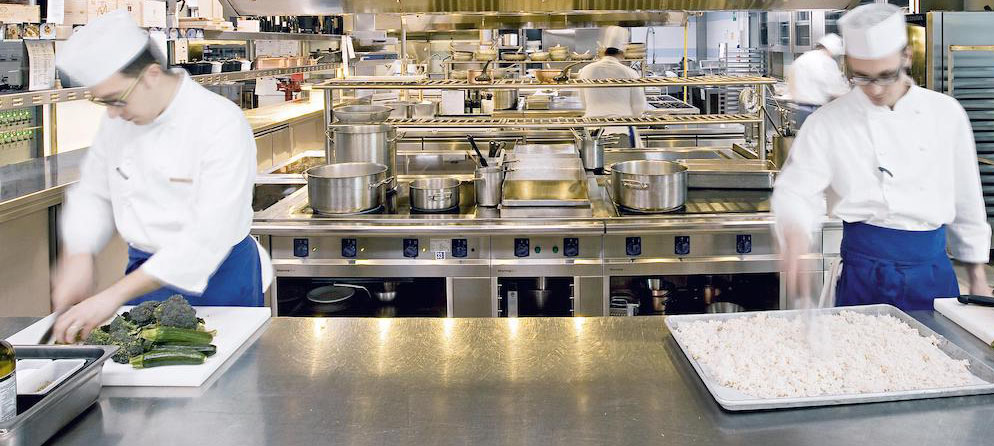
Non sono necessari prodotti chimici costosi o aggressivi per mantenere puliti i fornelli a induzione commerciali come il nostro piano cottura a induzione commerciale BZT-A6C6 —detergente delicato e acqua sono solitamente sufficienti. Questo è un grande vantaggio per le cucine commerciali, poiché riduce i costi dei materiali di pulizia ed elimina il rischio di residui chimici sul piano cottura (che possono trasferirsi al cibo).
Cosa significa “detergente delicato” per il BZT-A6C6: Utilizzare un sapone per piatti a pH neutro (come Dawn o Palmolive) senza abrasivi, candeggina o ammoniaca. Questi detergenti eliminano grasso e residui di cibo senza danneggiare il vetro temperato o il corpo in acciaio inossidabile. Un diner che utilizza il BZT-A6C6 afferma di spendere solo $5 al mese per i materiali di pulizia del piano cottura—rispetto a $25 al mese per il loro vecchio fornello a gas, che richiedeva sgrassatori specializzati per lo sporco bruciato.
Guida passo passo per la pulizia regolare con detergente delicato:
1. Preparare il piano cottura: Spegnere il BZT-A6C6 e lasciarlo raffreddare per 5–10 minuti. Rimuovere eventuali pentole o padelle e rimuovere i detriti sciolti (briciole, avanzi di cibo) con un panno di carta asciutto.
2. Preparare la soluzione detergente: Aggiungere 1–2 gocce di sapone per piatti delicato a una ciotola di acqua tiepida (non calda—l'acqua calda può far fissare alcuni residui).
3. Pulire la superficie: Immergere una spugna morbida o un panno in microfibra nella soluzione, strizzare l'acqua in eccesso (il panno deve essere umido, non bagnato) e strofinare la superficie in vetro con movimenti circolari. Concentrarsi sulle aree grasse (come intorno alle zone di cottura) ma evitare di premere troppo forte.
4. Pulire i comandi e il corpo: Strofinare gli interruttori a manopola e il corpo in acciaio inossidabile 304 con lo stesso panno insaponato. Le manopole sono sigillate, quindi l'acqua non penetrerà nei comandi.
5. Risciacquare e asciugare: Strofinare l'intero piano cottura con un panno pulito e umido per rimuovere i residui di sapone. Asciugare con un panno in microfibra per prevenire macchie d'acqua sul vetro e sull'acciaio inossidabile.
Questa routine richiede 10–15 minuti al giorno e mantiene il BZT-A6C6 come nuovo nell'aspetto e nel funzionamento. Una cucina d'albergo che utilizza questo metodo riferisce che il loro BZT-A6C6 ha superato un'ispezione sanitaria senza alcuna nota sull'igiene del piano cottura—cosa che il loro vecchio fornello elettrico non aveva mai ottenuto.
Per i ritocchi quotidiani (tra un pasto o una partita di cibo), non è nemmeno necessario il detergente—basta un panno umido. Un ristorante fast-casual che utilizza il BZT-A6C6 per hamburger e patatine afferma che il personale strofina il piano cottura con un panno umido tra un ordine e l'altro, mantenendolo pulito senza interrompere il servizio. Questa pulizia rapida impedisce che piccoli schizzi si accumulino in sporco più grande, riducendo la necessità di pulizie profonde.
È importante evitare di usare troppo detergente, poiché un eccesso di sapone può lasciare una pellicola sulla superficie in vetro. Una panetteria che utilizza il BZT-A6C6 per sciogliere il cioccolato lo ha imparato a proprie spese: usavano troppo sapone e la pellicola faceva attaccare il cioccolato alle pentole. Dopo essere passati a 1–2 gocce di sapone, il problema è stato risolto.
Specialized induction cooktop cleaners are available for stubborn stains or to maintain the surface’s shine.

While mild detergent and water work for most daily cleaning, specialized induction cooktop cleaners are available for stubborn stains (like burnt oil or dried syrup) or to restore the BZT-A6C6’s glass surface to its original shine. These cleaners are formulated to be safe for tempered glass and ceramic, so they won’t scratch or dull the surface—unlike abrasive household cleaners. As a produttore di attrezzature per cucine professionali, we recommend specific cleaners that work seamlessly with the BZT-A6C6, ensuring optimal results without damage.
What to look for in a specialized induction cleaner:
- Non-abrasive: Avoid cleaners with scrubbing particles (like baking soda or pumice), which can scratch the BZT-A6C6’s glass. Look for labels like “non-scratch” or “for glass cooktops.”
- Grease-cutting: Choose cleaners that break down tough grease without harsh chemicals. Brands like Weiman Induction Cooktop Cleaner or Bar Keepers Friend (glass-specific formula) work well for the BZT-A6C6.
- Shine-enhancing: Many specialized cleaners leave a protective film that resists future stains and adds shine. A café using Weiman Cleaner on their BZT-A6C6 says the glass surface “sparkles” after cleaning, making the kitchen look more professional.
How to use specialized cleaners on the BZT-A6C6:
1. Test a small area first: Apply a drop of cleaner to an inconspicuous part of the glass (like the edge) and wipe—this ensures no discoloration or damage.
2. Apply the cleaner: Squirt a small amount (1–2 teaspoons) of cleaner onto the stained area. Let it sit for 1–2 minutes (don’t let it dry) to break down the residue.
3. Wipe gently: Use a soft sponge or the applicator pad that comes with the cleaner to wipe the area in circular motions. For very stubborn stains, apply light pressure—never scrub hard.
4. Risciacquare e asciugare: Wipe the area with a clean, damp cloth to remove cleaner residue. Dry with a microfiber towel to prevent water spots and enhance shine.
A steakhouse using the BZT-A6C6 for searing reports that specialized cleaner removes burnt oil stains in 2 minutes—something mild detergent couldn’t do. They use the cleaner once per week, keeping the cooktop looking new. A bakery using the cleaner for dried caramel stains says it’s “worth every penny” to avoid permanent damage to the glass.
It’s important to avoid using specialized cleaners too often—once per week is enough for most commercial kitchens. Overuse can build up a film on the glass, which may affect heat transfer (though the BZT-A6C6’s 95% efficiency is still maintained). A hotel kitchen using the cleaner daily noticed a slight film after a month—switching to weekly use resolved the issue.
As part of our customer support, AT Cooker can provide a list of approved cleaners for the BZT-A6C6. We also offer a small sample of Weiman Cleaner with every BZT-A6C6 purchase, so you can test it before buying a full bottle.
The absence of grates, burners, or coils eliminates hard-to-reach areas, simplifying the cleaning process.
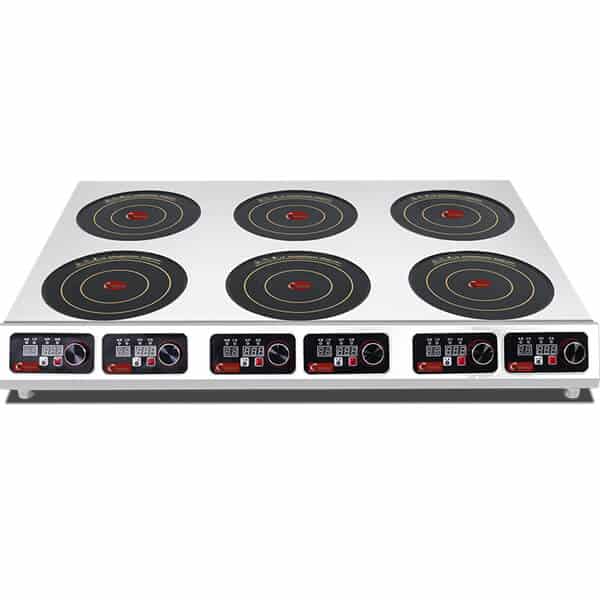
One of the most frustrating parts of cleaning traditional gas or electric stoves is dealing with hard-to-reach areas—grates, burners, coil recesses, and crevices where food gets trapped. Commercial induction stoves like our piano cottura a induzione da appoggio BZT-A6C6 con 6 fuochi eliminate these areas entirely, as they have no moving parts, grates, or coils. This design simplifies cleaning dramatically, as every part of the cooktop is visible and accessible.
Let’s compare the BZT-A6C6 to gas and electric stoves:
- Gas stoves: Have removable grates, burner caps, and gas jets—all of which trap food and grease. Cleaning requires removing the grates, soaking them in degreaser, scrubbing the burner caps, and picking food out of the gas jets with a toothpick. A diner using a gas stove reports that cleaning these parts takes 30 minutes per day.
- Electric coil stoves: Have raised coils and drip pans that collect food. The coils must be removed to clean the drip pans, which often have burnt-on food that requires scrubbing. A café using an electric stove says they replace drip pans every 3 months because they’re impossible to fully clean.
- BZT-A6C6 induction stove: Has a single, seamless glass surface with no removable parts. Every inch of the cooktop is easy to reach with a sponge—no disassembly, no soaking, no picking at small crevices. A restaurant using the BZT-A6C6 says they save 25 minutes per day on cleaning, just by eliminating these hard-to-reach areas.
This design is especially beneficial for commercial kitchens with high turnover, as new staff don’t need to learn how to disassemble and reassemble parts. A fast-casual restaurant with frequent staff changes says the BZT-A6C6’s simple design “reduces training time” for cleaning—new hires can master the process in 5 minutes.
The BZT-A6C6’s knob switches are another example of accessible design. Unlike some induction stoves with touch controls (which can have hidden crevices), the BZT-A6C6’s knobs are large, sealed, and easy to wipe. Food and liquid can’t get inside the controls, so you don’t have to disassemble them for cleaning. A catering company using the BZT-A6C6 for outdoor events says the sealed knobs are “a lifesaver” in rainy weather—no water gets inside, and cleaning is just a quick wipe.
Secondo Rapporti sulle attrezzature per la ristorazione (FER), cooktops with no hard-to-reach areas have 30% fewer hygiene violations than traditional stoves. This makes sense—if every part of the cooktop is easy to clean, staff are more likely to clean it thoroughly. A hospital cafeteria using the BZT-A6C6 has had zero hygiene violations related to the cooktop since installation, compared to 2–3 per year with their old gas stove.
It’s important to avoid using abrasive cleaners or scrubbers that could damage the smooth surface of the induction cooktop.

Sebbene i fornelli a induzione commerciali come il nostro BZT-A6C6 restaurant induction cooktops are durable, they’re not indestructible—abrasive cleaners or scrubbers can scratch or dull the tempered glass surface, ruining its appearance and reducing its lifespan. As a produttore di attrezzature per cucine professionali, we emphasize this warning to all our customers, as preventable damage from abrasive tools is one of the most common issues we see.
What counts as “abrasive” for the BZT-A6C6:
- Cleaners: Powdered cleaners (like Comet or Ajax), oven cleaners, bathroom cleaners with scrubbing particles, and bleach-based cleaners. These can scratch the glass or etch it with chemicals.
- Scrubbers: Steel wool, scouring pads (like Brillo), rough sponges, and wire brushes. Even mild scouring pads can leave micro-scratches that build up over time.
- Tools: Metal scrapers (used for burnt-on food), sharp utensils, and even hard plastic scrapers (if used with too much pressure).
A bakery learned this lesson the hard way: they used a steel wool pad to clean dried dough off their BZT-A6C6, leaving deep scratches on the glass. The scratches were permanent and made the cooktop look unprofessional—they had to replace the glass surface for $300. After switching to soft sponges, they haven’t had any more issues.
What to use instead of abrasive tools:
- Soft sponges: Microfiber sponges or non-scratching dish sponges (like Scotch-Brite Non-Scratch). These are gentle on the glass but effective at cleaning.
- Plastic scrapers (for stubborn stains): Use a soft plastic scraper (specifically designed for glass cooktops) with light pressure. This can remove dried-on food without scratching. A restaurant using this tool for burnt cheese says it works “perfectly” without damaging the BZT-A6C6.
- Microfiber cloths: For drying and polishing—they leave no lint and won’t scratch the glass.
It’s also important to train staff on proper cleaning tools, as new hires may not know the difference between abrasive and non-abrasive products. A hotel kitchen using the BZT-A6C6 created a simple “cleaning tools checklist” for staff: soft sponge, mild detergent, microfiber cloth, and glass-safe scraper only. This reduced accidental damage from 2 times per month to zero.
If you do notice minor scratches on the BZT-A6C6’s glass, specialized glass polish (like Cerium Oxide) can sometimes reduce their appearance. However, deep scratches are permanent and require professional repair or replacement. Our team at AT Cooker offers glass replacement services for the BZT-A6C6, but prevention is always cheaper than repair.
Manufacturers often provide specific cleaning instructions to ensure proper maintenance and longevity of the equipment.
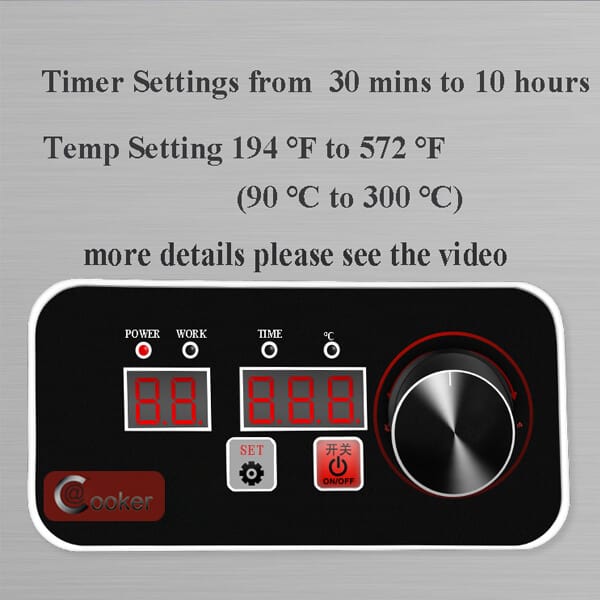
As a reputable produttore di attrezzature per cucine professionali, AT Cooker provides detailed cleaning and maintenance instructions with every BZT-A6C6 6 hobs countertop induction cooktop. These instructions are tailored to the product’s unique design (tempered glass surface, 304 stainless steel body, cooling system) and are critical for ensuring the cooktop’s longevity. Ignoring manufacturer guidelines can lead to premature wear, damage, or even voiding the 2-year warranty.
What’s included in the BZT-A6C6’s cleaning instructions:
- Approved cleaning products: A list of safe cleaners (mild detergent, specialized induction cleaners) and products to avoid (abrasives, ammonia, bleach). This prevents customers from using products that could damage the cooktop.
- Step-by-step daily cleaning: Detailed instructions for daily wipe-downs, including how to clean the glass surface, knobs, and stainless steel body. This ensures consistency across staff shifts.
- Deep cleaning frequency: Recommendations for weekly deep cleans (using specialized cleaners) and monthly maintenance (checking vents, tightening knobs). A café following these guidelines reports that their BZT-A6C6 has had no performance issues in 2 years.
- Safety precautions: Warnings about cleaning a hot cooktop (wait to cool), avoiding water in the controls, and unplugging the unit before cleaning vents. This prevents accidents and damage.
- Troubleshooting cleaning issues: Tips for removing stubborn stains, fixing water spots, and addressing minor scratches. A restaurant using these tips resolved a dried caramel stain that they thought was permanent.
We also provide a digital copy of the instructions on our website, so customers can access them anytime (even if the physical manual is lost). A catering company using the BZT-A6C6 for off-site events says they keep a digital copy on their phone, making it easy to reference cleaning steps while on the go.
Following manufacturer instructions is especially important for warranty coverage. If a customer damages the BZT-A6C6 by using abrasive cleaners (contrary to our guidelines), the warranty may not cover the repair. A hotel kitchen learned this when they used oven cleaner on the cooktop— the glass etched, and the warranty didn’t cover replacement. After switching to our recommended cleaners, they haven’t had any issues.
Our customer support team is also available to answer cleaning questions. A diner using the BZT-A6C6 called us with questions about removing burnt oil, and our team walked them through the process—saving them from damaging the cooktop. We offer this support because we want our customers to get the most out of their BZT-A6C6, and proper cleaning is key to that.
Induction stoves typically have fewer parts than gas or electric stoves, reducing the need for complex maintenance procedures.

Commercial induction stoves like our piano cottura a induzione commerciale BZT-A6C6 have fewer moving parts than gas or electric stoves, which means less to maintain, repair, or replace. This is a huge advantage for commercial kitchens, where maintenance downtime can cost hundreds of dollars in lost sales. As a produttore di attrezzature per cucine professionali, we design induction stoves to be low-maintenance, so our customers can focus on cooking—not fixing equipment.
Let’s compare the number of parts in different cooktop types:
- Gas stoves: Have burners, gas lines, valves, regulators, grates, igniters, and drip pans—dozens of parts that can wear out or break. A restaurant using a gas stove reports replacing igniters every 6 months and gas valves every year, costing $150–$200 per repair.
- Electric coil stoves: Have heating coils, drip pans, thermostats, and wiring—fewer parts than gas, but coils and drip pans need frequent replacement. A café using an electric stove replaces coils every 3 months ($25 each) and drip pans every 6 months ($15 each).
- BZT-A6C6 induction stove: Has induction coils, a cooling fan, knob switches, and a control board—fewer than 10 main parts. Most of these parts are sealed and designed to last 5–7 years. A hotel using the BZT-A6C6 has had no part replacements in 3 years, just regular cleaning.
The BZT-A6C6’s simple design means maintenance procedures are minimal. Unlike gas stoves, which require regular gas line inspections (to prevent leaks) or electric stoves, which need coil checks, the BZT-A6C6 only needs two regular maintenance tasks:
1. Cleaning the cooling vents: As discussed earlier, clean vents prevent overheating. This takes 5 minutes per week (vacuuming debris) and is the only regular maintenance needed.
2. Checking the knobs: Tighten loose knobs every month—this takes 2 minutes and prevents rattling or accidental activation.
A catering company using the BZT-A6C6 for outdoor events says the low-maintenance design is “perfect” for on-the-go use—they don’t have to carry extra parts or tools, and they’ve never had a maintenance issue during an event. This is a big improvement over their old gas stove, which once broke down during a wedding catering job, costing them $1,000 in lost revenue.
Fewer parts also mean fewer opportunities for human error during maintenance. A diner using the BZT-A6C6 says their staff no longer make mistakes like installing gas burners incorrectly (a common issue with their old gas stove)—the induction design is so simple that maintenance is foolproof.
Secondo ENERGY STAR, induction stoves have 40% fewer maintenance issues than gas stoves over their lifespan. This translates to lower repair costs and less downtime for commercial kitchens. A steakhouse using the BZT-A6C6 reports saving $800 per year on maintenance costs compared to their old gas stove.
BZT-A6C6 vs. Gas Stove: Maintenance Comparison
| Maintenance Task | AT Cooker BZT-A6C6 (Induzione) | Fornello a gas commerciale | Frequency | Cost Per Year |
|---|---|---|---|---|
| Clean vents/filters | Sì | Yes (vent hood filters) | Weekly | $0 (DIY) |
| Replace worn parts | Rare (fan/coils every 5+ years) | Frequent (igniters, valves, grates) | Monthly/Quarterly | $0–$100 (BZT-A6C6) vs. $300–$500 (Gas) |
| Gas line inspection | No (no gas) | Yes (required by code) | Annually | $0 (BZT-A6C6) vs. $150–$200 (Gas) |
| Coil/burner replacement | No (induction coils last 5+ years) | Yes (coils every 3 months, burners annually) | Quarterly/Annually | $0 (BZT-A6C6) vs. $200–$300 (Gas) |
Regular inspection and cleaning of the cooling vents help maintain optimal performance and prevent overheating issues.

While the BZT-A6C6 Piano cottura a induzione da appoggio a 6 fuochi is low-maintenance, one critical task is cleaning the cooling vents. The vents allow air to flow into the cooktop’s internal cooling system, which keeps the induction coils and control board from overheating. If the vents are clogged with dust, grease, or food particles, airflow is restricted, leading to reduced performance, overheating warnings, or even permanent damage. As a produttore di attrezzature per cucine professionali, we recommend weekly vent cleaning to keep the BZT-A6C6 running smoothly.
Where are the BZT-A6C6’s cooling vents located? They’re on the sides and back of the stainless steel body—easy to access and clean. The vents have a mesh screen that traps large debris, so you don’t have to worry about food getting inside the cooktop. A restaurant using the BZT-A6C6 says the mesh screens are “a great feature” because they catch crumbs and grease before they reach the internal fan.
How to clean the BZT-A6C6’s cooling vents:
1. Unplug the cooktop: Safety first—never clean vents while the unit is plugged in.
2. Remove loose debris: Use a dry, soft-bristled brush (like a paintbrush or pastry brush) to gently sweep dust and crumbs from the vents and mesh screens.
3. Vacuum the vents: Use a vacuum cleaner with a small nozzle attachment to suck out stubborn debris. This is especially important for grease, which can harden and block airflow if left unchecked.
4. Clean the mesh screens (if removable): Some BZT-A6C6 models have removable screens—wash them with mild detergent and water, dry thoroughly, and reattach.
5. Plug the cooktop back in: Test the unit to ensure it’s working properly (no overheating warnings).
This process takes 5–10 minutes per week and is well worth the effort. A hotel kitchen that neglected vent cleaning for 2 months reported that their BZT-A6C6 started showing overheating warnings during peak service—after cleaning the vents, the warnings stopped, and performance returned to normal. They now clean the vents every Sunday evening, when the kitchen is quiet.
What happens if vents are not cleaned? Clogged vents cause the cooling fan to work harder, which can:
- Reduce energy efficiency: The BZT-A6C6’s 95% efficiency can drop to 85% or lower, increasing electricity costs. A café using a clogged BZT-A6C6 saw their monthly electricity bill rise by $100.
- Trigger overheating warnings: The BZT-A6C6 has an anti-overheating feature that shuts down the cooktop if it gets too hot. This can disrupt service during peak hours.
- Shorten the fan’s lifespan: A fan working overtime will burn out faster—replacing the BZT-A6C6’s fan costs $150–$200, which is avoidable with regular cleaning.
For commercial kitchens that use the BZT-A6C6 for high-heat tasks (like 5KW wok cooking), we recommend checking the vents twice per week. The extra heat generated by high-power use means the fan works harder, so vents are more likely to clog with grease. A Chinese restaurant using the BZT-A6C6 for stir-frying cleans the vents twice per week and has never had overheating issues.
Some commercial induction stoves feature a control lock function, allowing for easy cleaning without accidental activation.
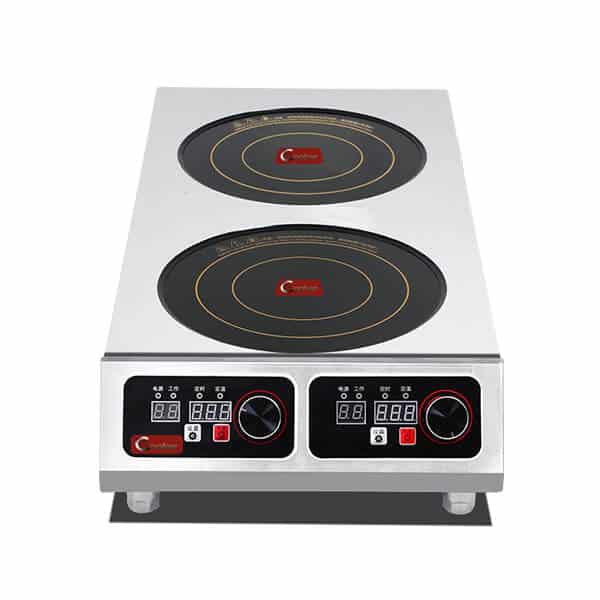
Cleaning a commercial cooktop while it’s powered on is risky—accidental activation of hobs can lead to burns or damage. That’s why some commercial induction stoves, including select models of our piano cottura a induzione da banco per ristorante BZT-A6C6, include a control lock function. This feature disables the knob switches and hob activation, letting staff clean the cooktop safely without worrying about accidental power-ups. As a produttore di attrezzature per cucine professionali, we added this function to address a common safety concern raised by our customers.
How the BZT-A6C6’s control lock works: Press and hold the “Lock” button (located on the control panel) for 3 seconds—the LED display will show a lock icon, indicating the controls are disabled. To unlock, press and hold the button again for 3 seconds. The lock function works even if the cooktop is plugged in, so staff can clean it while it’s still connected to power (though we recommend unplugging for vent cleaning).
The control lock is a game-changer for busy kitchens. A diner using the BZT-A6C6 says staff now clean the cooktop between breakfast and lunch service while it’s still plugged in—they lock the controls, wipe the surface, and unlock it when ready to use. This saves 5 minutes per shift (no need to unplug and replug), and there have been zero accidental activations since they started using the lock.
Other benefits of the control lock function:
- Safety for new staff: New hires may accidentally bump the knobs while cleaning— the lock prevents this from activating the hobs. A fast-casual restaurant with high turnover says the lock has “eliminated near-miss burns” from accidental activation.
- Cleaning during service: Staff can quickly wipe the cooktop between orders without shutting down the entire unit. A pizza restaurant using the BZT-A6C6 locks the controls, wipes up cheese spills, and unlocks it—all in 30 seconds, without interrupting service.
- Prevention of tampering: In kitchens with non-kitchen staff (like servers or bussers), the lock prevents accidental changes to power levels. A hotel buffet using the BZT-A6C6 says the lock keeps servers from adjusting the hobs while clearing plates.
While not all BZT-A6C6 models come with control lock as standard, it’s available as an optional upgrade. A catering company that added the upgrade to their BZT-A6C6 says it’s “worth every dollar” for the safety and convenience it provides. They often clean the cooktop at off-site events where space is tight, and the lock gives them peace of mind.
It’s important to note that the control lock doesn’t affect the cooktop’s safety features—if the BZT-A6C6 detects overheating or a fault, it will still shut down automatically, even when locked. A hospital cafeteria using the BZT-A6C6 tested this by covering the vents (to trigger overheating) while the controls were locked—the cooktop shut down as expected, proving the lock doesn’t compromise safety.
Prompt cleaning of spills, especially sugary substances, helps prevent potential etching or staining of the cooktop surface.
While the BZT-A6C6 piano cottura a induzione commerciale’s tempered glass surface is durable, prompt cleaning of spills—especially sugary ones—is key to preventing permanent damage. Sugary substances like syrup, caramel, or soda can etch the glass if left on the surface too long, even if the cooktop is cool. Etching appears as cloudy spots that won’t come off with regular cleaning, and it’s one of the few issues that can’t be fixed with specialized cleaners. As a produttore di attrezzature per cucine professionali, we emphasize prompt spill cleanup to all our customers, as it’s easy to do and saves from costly glass replacement.
Why sugary spills are a risk: Sugar is acidic, and when it’s left on tempered glass (even at room temperature), it can slowly break down the glass’s surface layer. This is especially true for hot sugary spills (like hot syrup), which accelerate the etching process.
Attrezzatura per Cucine Commerciali – da AT Cooker
- ✔In qualità di produttore a marchio di attrezzature professionali per la cottura a induzione commerciale, AT Cooker ha risposto alle esigenze di ristoranti e hotel e ha sviluppato attrezzature da cucina commerciali normative utilizzando la più recente tecnologia a induzione.
- ✔Queste attrezzature commerciali senza soluzione di continuità, di vera qualità professionale, ci offrono l'opportunità di integrare attrezzature di nostra scelta in un'unica attrezzatura da cucina multiuso senza soluzione di continuità, creando una cucina commerciale efficiente, a basso costo, sicura, ecologica e sostenibile. Disponiamo di attrezzature standard in grado di servire molte cucine commerciali.
- ✔AT Cooker offre sempre un servizio professionale. Dal materiale, al design, alla produzione, ci concentriamo su qualità, prestazioni e affidabilità per garantire la migliore soluzione a ciascuno dei nostri clienti. Hai una cucina commerciale? Saremo uno dei tuoi migliori partner.